

Can Body Contouring Address Skin Folds Around the Lower Back and Waist?
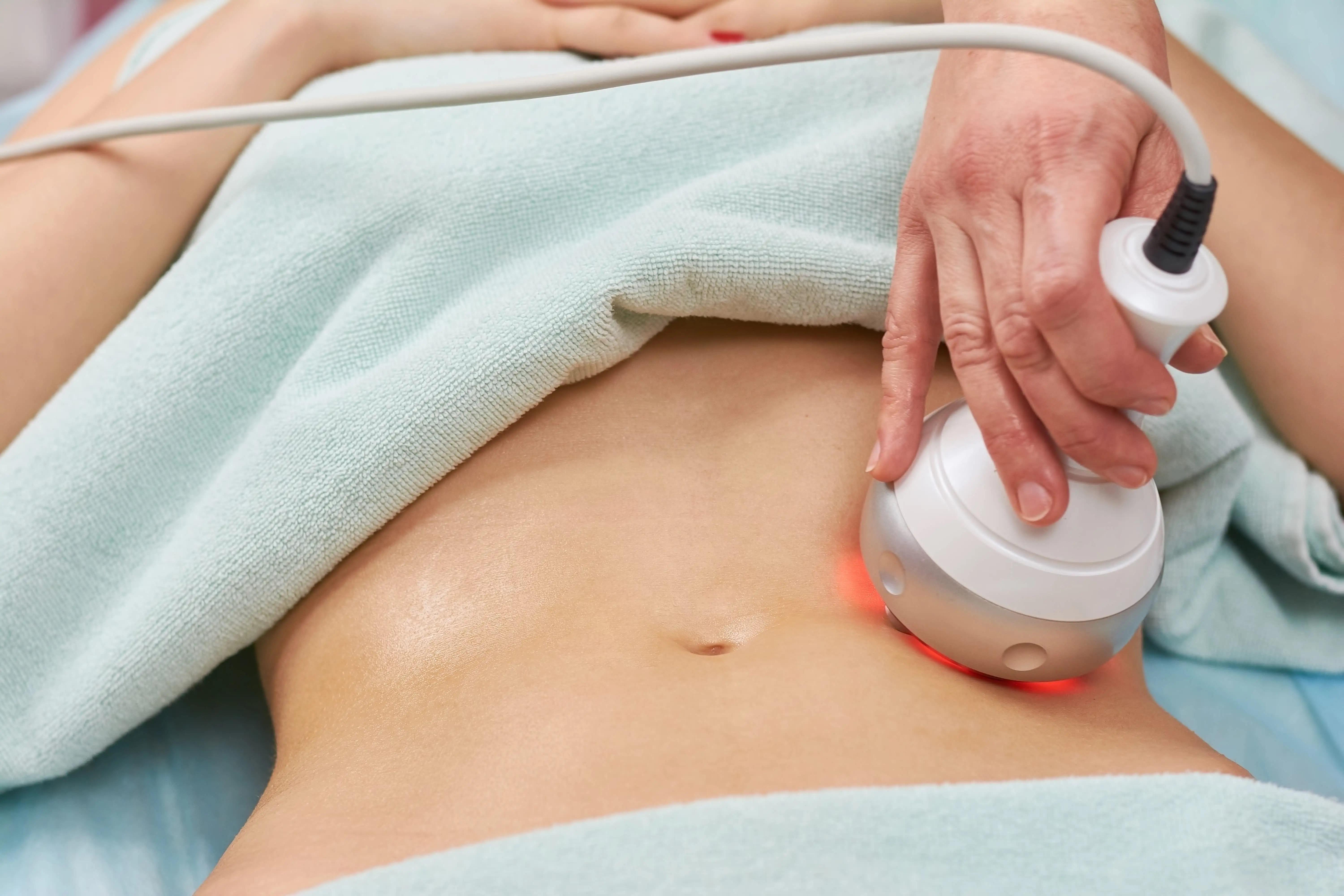
Have you ever noticed folds around your lower back or waist that remain visible even when you wear well-fitted clothing? These areas can be frustrating for people who maintain a healthy lifestyle but still struggle with stubborn fullness or loose skin around their midsection.
Skin folds around the lower back and waist can develop for several reasons. Weight fluctuations, genetics, ageing, reduced skin elasticity, and significant weight loss may all contribute to changes in this area.
The good news is that different body-contouring procedures may help improve these concerns. However, the right approach depends on whether the folds are caused by excess fat, loose skin, or a combination of both. For people considering Body Contouring in Islamabad, understanding these differences is an important first step.
1. Why Do Skin Folds Develop Around the Lower Back and Waist?
The lower back and waist are common areas where the body stores fat. Some people naturally develop fullness around the flanks, while others notice folds extending from the waist towards the lower back.
Significant weight loss can also leave behind excess skin that does not fully retract. Pregnancy, ageing, and repeated weight changes may further affect the firmness of the surrounding tissues.
Clothing can sometimes make these folds more noticeable, particularly when waistbands or fitted outfits press against the skin.
Skin folds are not always caused by excess weight. Their appearance may reflect natural fat distribution, skin laxity, or individual body structure.
2. Can Body Contouring Improve These Areas?
Yes, body contouring may improve the appearance of lower-back and waist folds when the underlying cause is suitable for treatment. Liposuction is commonly considered when localised fat deposits are responsible for the fullness.
For patients with significant loose skin, fat removal alone may not be enough. A surgeon may discuss skin-removal procedures or a more comprehensive body-contouring approach.
The objective is to create smoother transitions between the waist, back, and surrounding areas. Successful treatment planning focuses on the entire body contour rather than one isolated fold.
3. When Is Liposuction a Suitable Option?
Liposuction may be appropriate for patients who have stubborn fat deposits around the lower back and waist but relatively good skin elasticity. It removes selected fat through small incisions using a specialised cannula.
For example, someone with noticeable fullness above the waistband may benefit from targeted fat removal if loose skin is not the main concern. Treatment can also involve the flanks to create a more balanced waistline.
However, liposuction is not a weight-loss solution and cannot remove substantial excess skin. If the skin cannot adapt after fat removal, folds or irregularities may remain.
Good skin elasticity and suitable fat distribution are important factors when considering liposuction.
4. What If the Folds Are Caused by Loose Skin?
After major weight loss, the skin around the lower back and waist may remain stretched. In some cases, it forms folds that hang over the waistband or extend around the sides of the body.
When excess skin is the main issue, liposuction alone may not provide the desired improvement. Removing additional fat can sometimes make the looseness more noticeable.
Selected patients may be considered for surgical skin removal, such as a lower body lift or another procedure designed to address excess tissue around the waist and back. The choice depends on the location and extent of skin laxity.
Loose skin requires a different treatment approach from localised fat deposits.
5. How Do Surgeons Assess Lower-Back and Waist Folds?
A surgeon first examines the area to identify what is creating the visible folds. The assessment may include observing the patient's body while standing and evaluating how the skin and underlying tissue behave when gently pinched.
The doctor also considers medical history, previous weight changes, skin quality, and overall health. This helps determine whether fat removal, skin removal, or a combination of procedures may be appropriate.
Important assessment factors include:
-
Fat distribution: Whether fullness is concentrated around the flanks, lower back, or waist.
-
Skin elasticity: Whether the skin is likely to adapt after fat removal.
-
Amount of excess skin: Whether folds are caused by significant skin laxity.
-
Weight stability: Whether the patient's weight has remained relatively consistent.
-
Overall health: Whether medical conditions or lifestyle factors could increase surgical risks.
-
Treatment goals: Which areas the patient wants to improve and what results are realistic.
Additional investigations may be recommended if the medical history or examination indicates a need for them.
A personalised assessment helps prevent choosing a procedure that does not address the actual cause of the folds.
6. Can a Lower Body Lift Address the Waist and Back?
A lower body lift may be considered for patients who have significant loose skin around several connected areas after substantial weight loss. Depending on the surgical plan, it can remove excess tissue around the lower abdomen, waist, hips, and lower back while improving the appearance of the buttocks.
Unlike liposuction, a lower body lift focuses on removing excess skin and reshaping the affected tissues. It may be more suitable when skin folds extend around much of the lower trunk.
However, it is a more extensive operation and usually involves longer recovery and more noticeable scars. Not everyone with lower-back fullness needs this procedure.
A lower body lift is generally reserved for patients whose skin laxity extends beyond a small, isolated area.
7. Can Exercise and Weight Loss Remove These Folds?
Regular exercise and balanced nutrition can help improve overall body composition. Strength training may also support muscle development around the back and core, contributing to a more defined appearance.
However, spot reduction is not possible. Exercises targeting the lower back cannot specifically remove fat from that area, and they cannot eliminate substantial loose skin.
If a person has already reached a stable weight but still has persistent folds, genetics or reduced skin elasticity may be contributing factors.
Healthy habits support long-term body shape, but they cannot always correct excess skin or stubborn localised fat.
8. What Results and Recovery Should Patients Expect?
Results depend on the procedure, the amount of tissue treated, skin quality, and individual healing. After liposuction, swelling and bruising may temporarily hide improvements, while skin-removal procedures generally require a longer recovery period.
Compression garments may be recommended to support the treated areas. Patients should follow instructions about wound care, physical activity, and follow-up visits.
All surgical procedures carry risks. These may include infection, bleeding, fluid collection, scarring, contour irregularities, changes in sensation, and wound-healing problems.
No procedure can guarantee perfectly smooth skin or complete symmetry. Realistic expectations are essential before treatment.
9. What Should You Know Before Choosing Body Contouring in Islamabad?
Before undergoing treatment, discuss your concerns with a qualified plastic surgeon. Ask whether your folds are mainly related to excess fat, loose skin, or both, and why the recommended procedure is suitable.
Patients should ideally have a stable weight and understand how future weight changes may affect their results. Smoking, certain medical conditions, and nutritional deficiencies may also influence surgical safety and recovery.
When exploring Body Contouring in Islamabad, avoid choosing a clinic based only on price or dramatic before-and-after photographs. The surgeon's assessment, experience, and attention to patient safety should guide your decision.
Final Thoughts
Body contouring may improve skin folds around the lower back and waist, but the right treatment depends on their underlying cause. Liposuction may help with selected fat deposits, while significant loose skin may require a skin-removal procedure or lower body lift.
Dynamic Aesthetic Clinic offers personalised body-contouring guidance with experienced medical professionals, board-certified surgeons, and advanced surgical techniques to help patients explore suitable options for their individual needs.

 English
 Arabic
 French
 Spanish
 Portuguese
 Deutsch
 Turkish
 Italiano
 Russian
 Romaian
 Portuguese (Brazil)
 Greek
