

How Golf Apps Improve Player Performance With Smart Tracking and Analytics
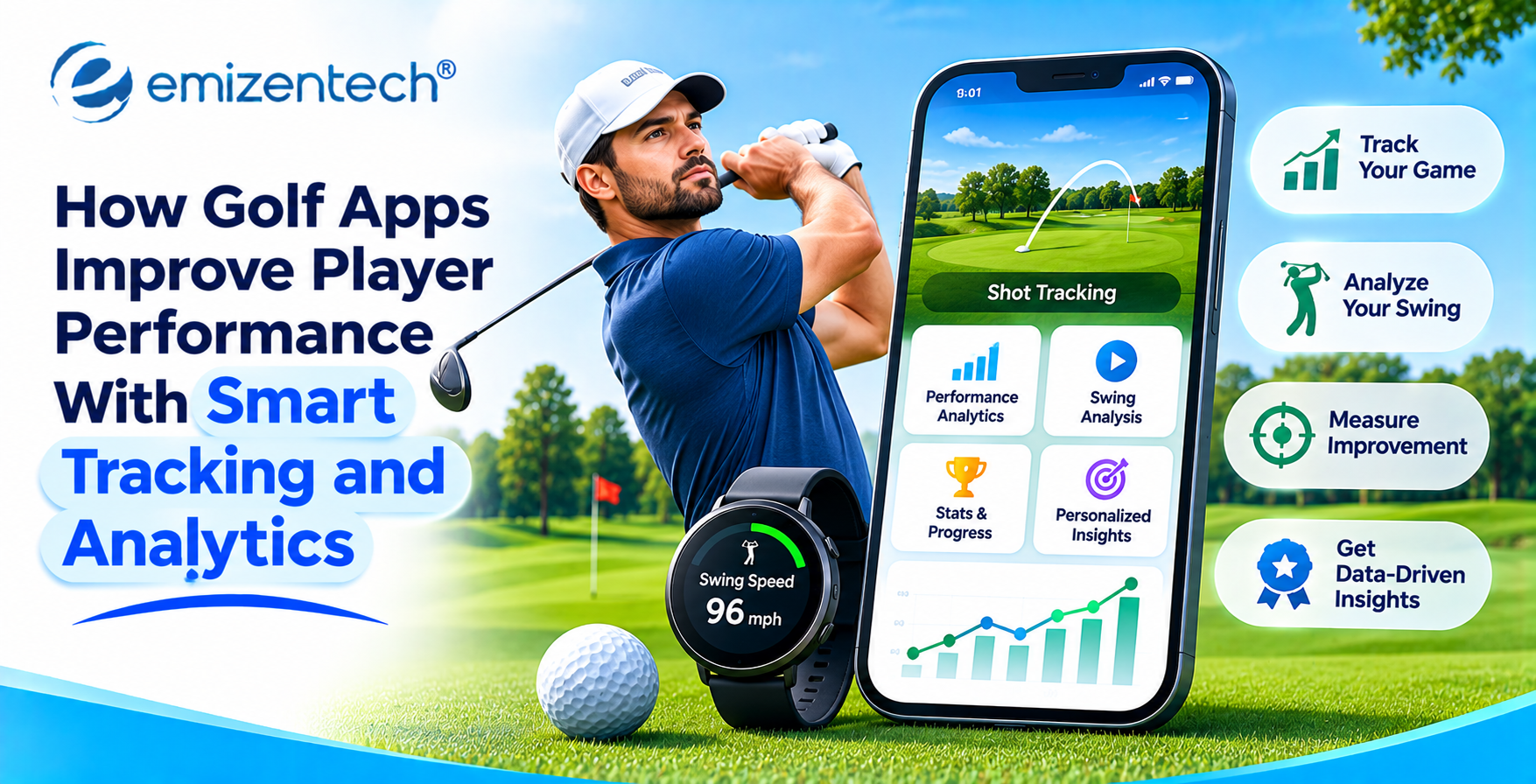
Every golfer wants to lower their scores, but most players improve by guesswork. They hit more balls on the range, change a grip, or buy a new driver without knowing what is truly costing them strokes. Golf apps are changing that. With smart tracking, detailed analytics, and artificial intelligence, a phone or smartwatch can now show exactly where a round is won or lost. This blog explains how these apps work, which features matter most, and how AI is taking performance improvement to the next level.
Why Smart Tracking Matters in Modern Golf
Golf rewards consistency, but measuring it accurately can be difficult. Smart tracking converts every round into useful data, helping players understand their strengths and identify areas that need improvement.
A paper scorecard only shows the final score for each hole. It does not explain whether a player missed the fairway, hit the green in regulation, or lost strokes because of a poor chip. Modern golf apps solve this gap by recording details such as fairways hit, putts per round, and shot distances. These tracking capabilities are an important part of golf app development services, where GPS course mapping and smartwatch integration can also improve the playing experience. By reviewing data across multiple rounds, golfers can identify performance patterns and make better decisions about their practice routines.
Key Tracking Features That Improve Performance
The most effective golf apps collect data without interrupting the game. These features capture the details players need while keeping the round enjoyable and fast.
- GPS course mapping: Accurate distances to the front, middle, and back of the green, plus hazards, help players choose smarter shots.
- Automatic shot tracking: Smartwatches and club sensors record each shot’s location and distance, so players do not need to enter data by hand.
- Swing metrics: Sensors measure tempo, clubhead speed, and swing path, giving a clearer picture of mechanics.
- Putting statistics: Apps log putts per round and first-putt distance and make percentages from different ranges.
- Weather and elevation data: Wind, temperature, and slope information adjust yardages for real playing conditions.
Analytics That Turn Data Into Better Decisions
Raw numbers are only useful when they are explained clearly. Good analytics convert tracking data into simple insights, showing players where to focus practice and how to manage the course.
- Strokes gained analysis: This compares a player’s performance with a benchmark in each area, such as driving, approach, short game, and putting.
- Club distance profiles: Real average carry distances for every club replace guesses, which helps players avoid selecting too little club.
- Fairway and green trends: Charts reveal whether misses tend to go left or right, short or long.
- Round history and progress reports: Weekly and monthly summaries show whether handicaps and key stats are improving.
- Course-specific insights: Players can see which holes consistently cause trouble and plan a better strategy next time.
For example, a golfer who believes putting is the weakness may discover that approach shots from 150 yards are the real problem. That single insight can save months of misdirected practice.
How AI Takes Golf Analytics Further
Artificial intelligence moves apps from reporting what happened to suggesting what to do next. By learning from thousands of shots, AI models can offer guidance that feels personal and practical.
- AI swing analysis: Computer vision studies video from a phone camera, identifies posture and club path, and points out faults in seconds.
- Predictive club selection: The app learns how far you actually hit each club and recommends the best option based on wind, lie, and slope.
- Personalized practice plans: If data shows weak bunker play, the AI builds drills around that skill instead of offering generic tips.
- Performance prediction: Models can estimate likely scores for an upcoming round based on recent form and course difficulty.
- Injury and fatigue alerts: Wearable data can show when tempo drops or heart rate stays high, which may signal tiredness or overuse.
- Conversational coaching: AI chatbots answer rules questions and explain techniques in simple language at any time.
These tools make professional-level insight available to everyday players, not only tour professionals with personal coaches.
How Players Can Get the Most From Their App Data
Collecting data is only the first step. Players improve fastest when they review their numbers regularly and turn insights into clear, simple practice goals.
- Review after every round: A five-minute look at fairways hit, greens in regulation, and putts shows what changed since the last round.
- Focus on one weakness at a time: Working on a single area, such as approach shots, produces faster results than trying to fix everything.
- Track trends, not single rounds: One bad day does not matter, but a pattern across ten rounds does.
- Share data with a coach: Objective numbers make lessons more targeted and easier to measure.
- Set measurable goals: Targets like reducing three-putts or adding ten yards off the tee keep practice purposeful.
Benefits for Players, Coaches, and Clubs
Smart tracking and AI create value across the whole golf ecosystem. Each group gains something different, which is why demand for feature-rich golf apps keeps growing.
- Players: Faster improvement, better course management, and motivation from visible progress.
- Coaches: Objective data to support lessons, track student progress, and share feedback remotely.
- Golf clubs: Higher member engagement, smarter tee-time scheduling, and better planning through demand forecasting.
- Brands and sports-tech startups: A direct digital channel to recommend equipment, run challenges, and build loyal communities.
Challenges to Plan For
Even the best golf app faces practical hurdles. Planning for them early keeps the product reliable, secure, and pleasant to use on the course.
- Data privacy: Location data and swing videos are personal, so strong security and clear consent are essential.
- Battery and connectivity: Courses often have weak coverage, so offline modes and efficient GPS use matter.
- Accuracy: Poor lighting or camera angles can affect AI swing analysis, so models should be trained on varied conditions.
- Information overload: Too many charts can confuse players, so dashboards should highlight a few clear insights first.
Conclusion
Smart tracking and analytics have turned golf apps into serious performance tools. They show players where strokes are lost, explain why, and, with AI, suggest what to practice next. If you are planning to build a golf app with intelligent tracking, analytics, and AI features, Emizentech can help you design, develop, and launch a scalable product that fits your business goals.

 Arabic
 French
 Spanish
 Portuguese
 Deutsch
 Turkish
 Dutch
 Italiano
 Russian
 Romaian
 Portuguese (Brazil)
 Greek
