

Rhinoplasty Surgery in Dubai: Common Myths Explained
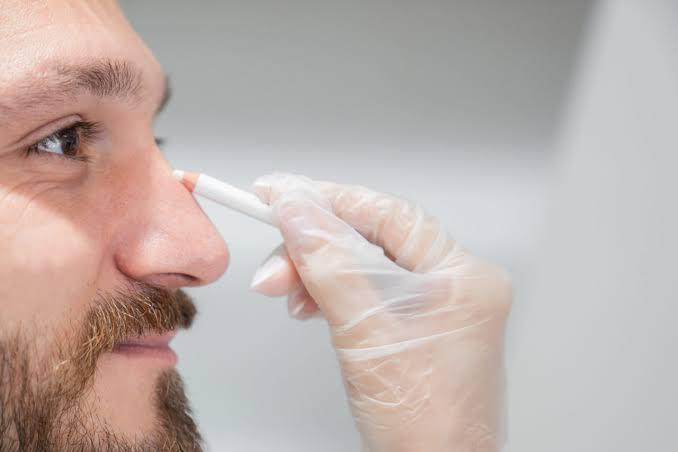
Many people researching nose reshaping come across conflicting information about surgical techniques, recovery, and expected results. Rhinoplasty Surgery in Dubai is a procedure that can address selected cosmetic and functional concerns, but misconceptions may create unrealistic expectations or unnecessary worries.
Understanding the difference between common assumptions and reliable information can help individuals make more informed decisions. Here are some frequently discussed myths and the facts behind them.
Myth 1: Rhinoplasty Is Only About Changing Nose Appearance
One common misconception is that rhinoplasty is performed exclusively for cosmetic reasons. Although many people consider surgery to refine the nasal bridge, tip, or overall shape, the procedure can also address certain structural problems that affect breathing.
Functional rhinoplasty may involve correcting selected abnormalities, such as a deviated septum or problems with nasal valve support. In some cases, cosmetic and functional goals can be addressed during the same operation.
The appropriate approach depends on an individual's anatomy and the reason for treatment.
Myth 2: Rhinoplasty Always Produces a Perfectly Symmetrical Nose
Facial features are naturally asymmetrical, and the nose is no exception. Differences in bone structure, cartilage, skin, and surrounding facial features can influence the final appearance.
Rhinoplasty aims to improve balance and address specific concerns, but perfect symmetry cannot be guaranteed. A realistic surgical plan focuses on suitable proportions and structural stability rather than absolute uniformity.
Myth 3: Everyone Can Achieve the Same Nose Shape
A nasal shape that looks suitable on one person may not complement another person's facial features. Differences in skin thickness, cartilage strength, nasal width, and facial proportions influence which changes are achievable.
For this reason, reference photographs should be treated as inspiration rather than exact templates. The most appropriate outcome is one that considers the individual's existing anatomy.
Myth 4: Rhinoplasty Is Always Extremely Painful
Fear of pain can discourage some individuals from exploring nose surgery. However, the experience varies depending on the procedure, anaesthesia, and individual sensitivity.
After surgery, patients may experience pressure, congestion, swelling, and discomfort rather than severe pain. Prescribed medication and appropriate postoperative care can help manage these symptoms.
Anyone experiencing severe or worsening pain should contact their treating team for assessment.
Myth 5: Recovery Is Complete After One Week
The first week is an important early healing stage, but it does not represent the entire recovery process. Bruising and noticeable swelling may improve during the following weeks, while deeper swelling can remain for several months.
The nasal tip may take particularly long to refine because of its soft tissue and structural characteristics. Final results are often assessed around 12 months or later, depending on the individual case.
Myth 6: A Smaller Nose Is Always a Better Result
Reducing nasal size excessively can affect facial proportions and may compromise structural support. A suitable result is not necessarily the smallest possible nose.
Rhinoplasty planning should consider the relationship between the nose, forehead, lips, cheeks, and chin. Preserving appropriate support and nasal function is just as important as achieving an aesthetic change.
Myth 7: Rhinoplasty Cannot Affect Breathing
Although many people focus on appearance, nasal surgery can influence airflow because the nose contains delicate internal structures.
A carefully planned functional procedure may improve breathing when a correctable structural problem is present. However, surgery can also lead to new or persistent breathing difficulties in some cases.
A proper assessment of nasal anatomy and function is therefore important before proceeding.
Myth 8: The Final Result Is Visible Immediately
The appearance of the nose immediately after surgery is affected by swelling, dressings, and tissue changes. Even after external support is removed, the nasal shape may look fuller or less defined than expected.
As healing progresses, swelling decreases and the underlying contours become clearer. It is important to allow sufficient time before judging the outcome.
Myth 9: Non-Surgical Nose Treatments and Rhinoplasty Are the Same
Non-surgical nose reshaping usually involves injectable fillers to modify selected contours temporarily. It may create the appearance of a smoother profile in suitable cases, but it cannot reproduce all the structural changes possible with surgery.
Surgical rhinoplasty can modify bone and cartilage, while injectable treatments do not provide the same type of correction. Each approach has different limitations and risks, including serious vascular complications associated with nasal filler injections.
The appropriate option depends on the concern being addressed and a professional assessment.
Myth 10: Revision Rhinoplasty Is Never Possible
Some individuals may require revision surgery because of healing changes, persistent structural concerns, breathing problems, or dissatisfaction with an earlier result.
Revision procedures can be more complex because the original anatomy has already been altered and scar tissue may be present. They are not automatically necessary whenever a patient notices minor differences during early healing.
A suitable evaluation is needed to determine whether additional surgery is appropriate and when it can safely be considered.
Why Accurate Information Matters Before Surgery
Relying on myths can lead to unrealistic expectations or poor preparation. Before making a decision, understand the proposed surgical approach, possible limitations, recovery requirements, and potential complications.
Ask how the procedure may affect both nasal appearance and breathing. Discuss your medical history and clarify any information that seems inconsistent or unclear.
Reliable information helps you evaluate whether the potential benefits align with your personal goals.
Final Thoughts on Rhinoplasty Surgery in Dubai
Understanding the facts behind common misconceptions can make the decision-making process more informed and realistic. Rhinoplasty Surgery in Dubai should be approached with attention to individual anatomy, nasal function, healing time, and achievable results rather than promises of perfection. TAJMEELS CLINIC can be part of your information-gathering journey as you explore nose reshaping options and consider the questions that matter before surgery.
For More Details, Contact Us Through:
WhatsApp: +971 56 203 8751
Phone: +971 4 373 9000
Social Media:

 English
 Arabic
 Spanish
 Portuguese
 Deutsch
 Turkish
 Dutch
 Italiano
 Russian
 Romaian
 Portuguese (Brazil)
 Greek
