

Hair Transplant in Islamabad: Key Factors to Consider Before Making Your Decision
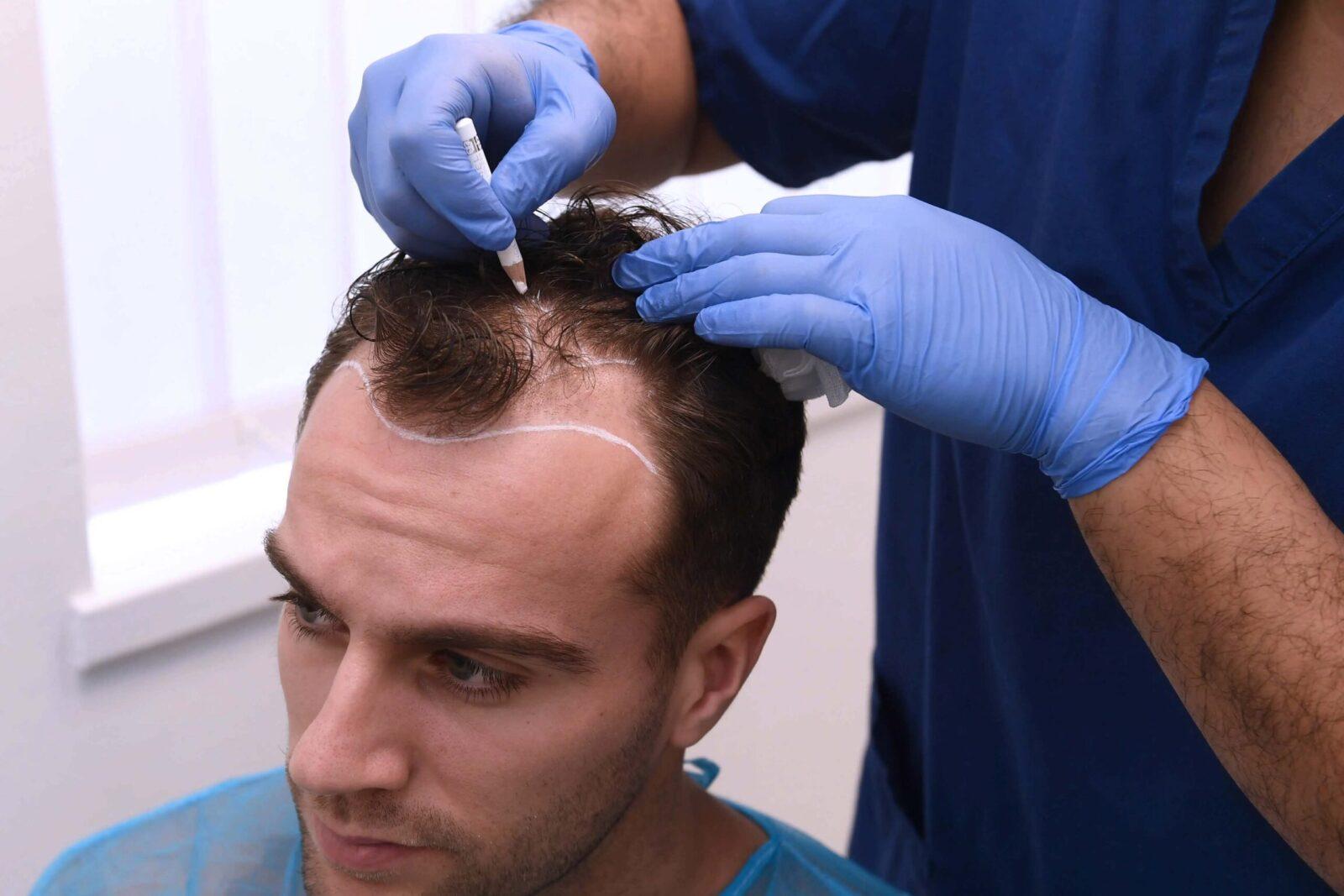
Hair loss can affect confidence, appearance, and everyday social interactions. For people considering hair restoration, a hair transplant can provide a long-term option by moving healthy hair follicles from a donor area to thinning or balding regions. However, deciding to undergo the procedure should involve more than comparing techniques or looking at before-and-after photographs. Hair Transplant in Islamabad should be considered after evaluating your hair-loss pattern, donor hair, expectations, treatment options, and long-term goals.
Understand the Cause of Your Hair Loss
Before considering transplantation, it is important to understand why you are losing hair. Male and female pattern hair loss are common reasons for transplantation, but not every type of hair loss is suitable for surgery. Some conditions may require medical treatment first. A proper scalp examination can help determine whether transplantation is appropriate and whether additional tests are needed.
Understanding the cause also helps create a realistic long-term treatment plan. Hair loss can continue even after transplantation, so managing ongoing thinning may be an important part of maintaining your appearance.
Evaluate Your Donor Hair
Donor hair is one of the most important factors affecting transplant results. Healthy follicles are usually taken from areas at the back or sides of the scalp and moved to areas experiencing thinning or baldness. Patients need enough suitable donor hair to achieve meaningful coverage.
Hair density, thickness, texture, and the stability of the donor area can influence the final appearance. A detailed assessment should therefore be performed before deciding how many grafts may be appropriate. Using donor hair too aggressively can limit future treatment options.
Choose the Appropriate Transplant Technique
Two commonly used approaches are Follicular Unit Extraction (FUE) and Follicular Unit Transplantation (FUT). FUE involves removing individual follicular units, while FUT involves removing a strip of hair-bearing scalp from the donor area before dividing it into grafts.
The most suitable technique depends on factors such as donor characteristics, hair-loss pattern, desired coverage, hairstyle preferences, and clinical assessment. Rather than choosing a procedure simply because it is popular, discuss which approach is appropriate for your individual situation.
Consider the Hairline and Overall Design
A natural-looking transplant depends on more than the number of grafts transplanted. Hairline position, direction, angle, density, and graft distribution all contribute to the final appearance.
A conservative and age-appropriate hairline may provide a more natural long-term result than an aggressively low hairline. Your treatment plan should also consider how your hair loss could progress in the future.
Have Realistic Expectations
A hair transplant does not necessarily restore the same density you had when you were younger. The goal is generally to improve coverage and create a natural appearance using the available donor hair. The American Society of Plastic Surgeons emphasizes that transplantation uses existing hair and that patients should understand the limitations of what can be achieved.
Results also take time. Transplanted hairs commonly shed during the early weeks following treatment, which can be part of the normal process. Visible improvement generally develops gradually, with many patients seeing results around six to nine months and some requiring up to 12 months or longer for fuller results.
Review Potential Risks and Recovery
Like other surgical procedures, hair transplantation can involve risks such as infection, bleeding, scarring, poor growth, temporary shock loss, or an unnatural appearance. Proper graft handling, implantation, and postoperative care can influence outcomes.
Before treatment, ask about recovery instructions, scalp washing, physical activity, medications, follow-up appointments, and when you can return to normal routines. Understanding recovery beforehand can help you plan your work and social commitments.
Ask Questions During Your Consultation
A consultation is an important opportunity to understand whether transplantation is suitable for you. Ask about your diagnosis, donor capacity, recommended technique, expected number of grafts, potential results, possible risks, recovery, and long-term hair-loss management.
It is also helpful to review realistic examples of previous results rather than relying only on promotional claims. An individualized treatment plan should be based on your scalp condition and goals.
Frequently Asked Questions
Is everyone with hair loss suitable for a hair transplant?
No. Suitable candidates generally need adequate healthy donor hair and the ability to grow hair in the recipient area. The cause and stability of hair loss should also be evaluated.
How long does it take to see hair transplant results?
Results develop gradually. Many patients begin noticing meaningful growth around six to nine months, although some may need 12 months or longer for fuller results.
Does transplanted hair fall out after surgery?
Temporary shedding of transplanted hair can occur during the first few weeks. This does not necessarily mean the transplant has failed; new growth develops later as the follicles recover.
Which is better, FUE or FUT?
Neither technique is automatically best for everyone. The appropriate option depends on donor hair characteristics, the extent of hair loss, desired results, hairstyle preferences, and professional assessment.
Can hair loss continue after a transplant?
Yes. Existing non-transplanted hair can continue to thin over time. Depending on the individual's situation, ongoing medical treatment may be recommended to help slow further hair loss.
Final Thoughts
Choosing a hair transplant is a personal decision that should be based on medical suitability, donor-hair availability, realistic expectations, technique selection, recovery requirements, and long-term planning. A thorough consultation can help you understand what is realistically achievable and whether transplantation is the right option for your type of hair loss. Taking time to evaluate these factors before treatment can help you make a more informed decision and prepare for the gradual nature of hair restoration.

 English
 Arabic
 French
 Spanish
 Portuguese
 Deutsch
 Dutch
Dutch
 Italiano
 Russian
 Romaian
 Portuguese (Brazil)
 Greek
Greek
