

How to Maintain Results After Hair Loss Treatment?
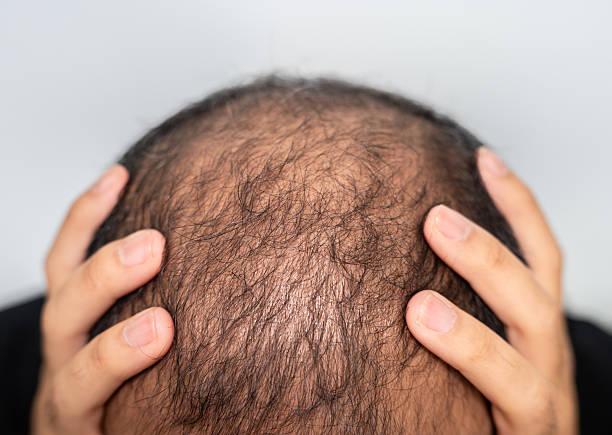
Achieving healthier-looking hair after a professional restoration procedure is an important milestone, but maintaining those improvements requires consistent care. Whether you have received PRP therapy, used prescribed medication, undergone laser therapy, or had a hair transplant, your daily habits and follow-up routine can influence long-term outcomes. A suitable Hair Loss Treatment in Riyadh plan should include more than the initial procedure; it should also address ongoing scalp care, hair health, and the underlying cause of hair loss.
Hair growth is a gradual process, and results can vary depending on genetics, health conditions, treatment type, and individual response. Some treatments require continued use to maintain their benefits, while others involve a recovery period and long-term monitoring. Following professional recommendations after Hair Loss Treatment in Riyadh can help you protect your progress and recognize new hair loss concerns early.
Why Is Aftercare Important for Hair Restoration Results?
Hair restoration treatments work in different ways. Some aim to stimulate hair follicles, others help manage conditions that contribute to shedding, and surgical procedures relocate existing follicles to thinning areas. However, no treatment can guarantee permanent results for every patient.
Aftercare helps support scalp recovery, maintain treatment consistency, and reduce avoidable irritation or complications. It also gives your specialist an opportunity to monitor progress and adjust the treatment plan when necessary.
Effective Ways to Maintain Hair Restoration Results
Maintaining healthier hair requires a combination of appropriate treatment, gentle hair care, and healthy daily habits.
1. Follow Your Specialist's Treatment Plan
One of the most important steps is following the schedule recommended by your dermatologist or hair restoration specialist. Some treatments require multiple sessions, while others involve regular medication or maintenance procedures.
Avoid changing the frequency of treatment or stopping prescribed products without professional advice. For example, stopping minoxidil may lead to the loss of hair maintained by the medication. Your specialist can explain how long treatment should continue and what to expect if you discontinue it.
2. Maintain a Healthy and Balanced Diet
Hair follicles need adequate nutrients to support normal growth. A balanced diet containing protein, iron, zinc, vitamins, and other essential nutrients can contribute to overall hair health.
Include foods such as:
-
Eggs, fish, and lean meat for protein.
-
Beans and lentils for plant-based protein and iron.
-
Leafy green vegetables for essential micronutrients.
-
Nuts and seeds for healthy fats and minerals.
-
Fruits and vegetables for a range of vitamins and antioxidants.
Nutritional supplements should only be used when there is a confirmed deficiency or a healthcare professional recommends them. Taking excessive amounts of certain vitamins and minerals can sometimes worsen hair loss or cause other health problems.
3. Keep Your Scalp Clean and Healthy
A healthy scalp provides a suitable environment for hair growth. Wash your hair according to your scalp type and use gentle products that do not cause irritation.
If you experience dandruff, persistent itching, redness, or scaling, consult a dermatologist. These symptoms may indicate a scalp condition that requires specific treatment. Avoid scratching the scalp or using harsh products that can cause unnecessary irritation.
4. Avoid Excessive Heat and Chemical Treatments
Frequent use of high-temperature styling tools, chemical straightening, bleaching, and harsh dyes can weaken the hair shaft and contribute to breakage.
To protect your hair:
-
Limit frequent heat styling.
-
Use a suitable heat-protectant product when styling.
-
Avoid tight hairstyles that pull on the roots.
-
Choose gentle shampoos and conditioners.
-
Handle wet hair carefully to reduce breakage.
These measures help protect existing hair, although they do not directly reverse genetic hair loss.
5. Manage Stress and Maintain Healthy Habits
Physical or emotional stress can sometimes trigger temporary hair shedding known as telogen effluvium. This type of shedding may become noticeable several months after a stressful event.
Regular exercise, adequate sleep, relaxation techniques, and a balanced daily routine can support general well-being. If shedding continues or becomes excessive, consult a specialist rather than assuming stress is the only cause.
6. Attend Regular Follow-Up Appointments
Follow-up visits help your specialist assess hair density, scalp condition, and treatment response. Photographs taken under consistent lighting and from similar angles can make gradual changes easier to monitor.
Your treatment plan may need adjustments if hair loss continues, new symptoms appear, or the expected response does not occur. Regular assessments also help distinguish normal hair cycling from ongoing thinning.
How to Maintain Results After Different Hair Restoration Treatments
Aftercare depends on the procedure you have received. Following treatment-specific instructions is essential.
After PRP Hair Therapy
PRP therapy uses a platelet-rich preparation made from your own blood. Your specialist may recommend avoiding certain hair products, intense scalp treatments, or strenuous activities for a short period after injections. Follow the clinic's instructions and attend recommended sessions. The ideal maintenance schedule varies, and long-term benefits are not guaranteed.
After Hair Transplant Surgery
Hair transplant patients need to follow postoperative instructions carefully. These may include guidance on washing, sleeping position, physical activity, and protecting the scalp during healing.
Avoid scratching or disturbing the grafts while they are healing. Attend scheduled reviews and contact your surgical team if you notice increasing pain, spreading redness, discharge, or other concerning symptoms.
After Minoxidil Treatment
Minoxidil usually requires consistent use to maintain its benefits. Follow the prescribed application instructions and discuss irritation or unwanted side effects with your healthcare professional. Do not increase the amount or frequency in an attempt to achieve faster results.
After Low-Level Laser Therapy
If you use low-level laser therapy, follow the recommended device instructions and treatment schedule. Using the device more frequently than advised does not necessarily improve results. Your specialist can assess whether continued use is appropriate.
Signs That Your Hair Restoration Results Need Attention
Some hair shedding is part of the normal hair growth cycle. However, certain changes may indicate that your treatment plan needs reassessment.
Pay attention to:
-
Increasing hair thinning after an initial improvement.
-
New bald patches or a rapidly changing hairline.
-
Persistent scalp itching, redness, or inflammation.
-
Sudden or unusually heavy shedding.
-
Continued hair loss despite following the recommended plan.
These symptoms do not always mean treatment has failed. They may indicate a new trigger, an underlying condition, or the need for a different approach.
When Should You Consider Another Professional Assessment?
If your hair density decreases, shedding returns, or your scalp develops new symptoms, arrange a follow-up consultation. A specialist can review your progress, investigate possible causes, and determine whether treatment adjustments are needed. Professional Hair Loss Treatment in Riyadh should focus on long-term hair health as well as the original concern, with recommendations based on your diagnosis and individual response.
Book Your Follow-Up Consultation at Royal Clinic Saudia
Maintaining hair restoration results requires consistent care and professional guidance. Royal Clinic Saudia can help you review your progress, discuss ongoing scalp concerns, and explore suitable maintenance options. Schedule a consultation to receive personalized recommendations for supporting your hair health after treatment.
FAQs:
How long can hair restoration results last?
The duration varies according to the treatment and underlying cause of hair loss. Some results require ongoing medication or maintenance sessions, while transplanted follicles may provide long-lasting growth. Natural hair loss can still progress in untreated areas.
Do I need maintenance sessions after PRP hair treatment?
Some patients may be advised to receive additional PRP sessions after their initial treatment course. The frequency depends on individual response and the specialist's assessment. There is no single maintenance schedule suitable for everyone.
Can my hair start falling out again after treatment?
Yes. Hair loss may continue or return because of genetics, hormonal changes, nutritional deficiencies, medical conditions, or discontinuation of certain treatments. A professional assessment can help identify the reason.
Which foods help maintain healthy hair after treatment?
A balanced diet containing adequate protein, iron, zinc, and essential vitamins supports normal hair health. Eggs, fish, beans, lentils, nuts, leafy greens, and fruits are useful dietary choices. Supplements should be based on individual nutritional needs rather than taken unnecessarily.

 English
 Arabic
 French
 Spanish
 Portuguese
 Deutsch
 Turkish
 Dutch
 Italiano
 Russian
 Romaian
 Portuguese (Brazil)
