

New York Heating Law: What NYC Tenants and Landlords Should Know
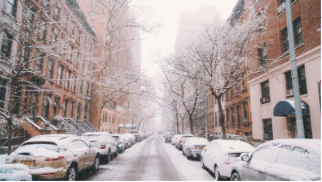
A comfortable and warm home is essential, especially during New York City's cold winter months. However, some tenants experience problems such as insufficient heat, broken radiators, or a lack of hot water. These situations can affect daily life and create serious concerns about health and safety.
The New York Heating Law protects tenants by requiring residential building owners to provide adequate heat during the city's official heating season. Understanding these requirements helps renters recognize their rights and encourages landlords to maintain safe living conditions.
What Is the New York Heating Law?
New York City has specific rules that require landlords to maintain minimum indoor temperatures during the heating season. These requirements generally apply from October 1 through May 31.
Under the NYC Housing Maintenance Code, building owners must provide sufficient heat to keep apartments at legally required temperatures. They must also maintain a reliable supply of hot water throughout the year.
These rules help protect residents from unsafe indoor conditions during colder weather.
Minimum Temperature Requirements in NYC
The New York City Department of Housing Preservation and Development (HPD) outlines specific heating requirements for residential buildings.
Here is what tenants and landlords should know:
-
Daytime requirements: Between 6:00 AM and 10:00 PM, indoor temperatures must reach at least 68°F when the outdoor temperature falls below 55°F.
-
Nighttime requirements: Between 10:00 PM and 6:00 AM, indoor temperatures must remain at least 62°F, regardless of the outdoor temperature.
-
Hot water requirements: Landlords must provide hot water at a minimum temperature of 120°F throughout the year.
These standards help ensure that tenants receive essential heating and hot water services.
Landlord Responsibilities Under the New York Heating Law
Landlords have a legal responsibility to maintain their properties and provide essential services. Heating obligations involve more than simply turning on a boiler when temperatures drop.
Property owners should:
-
Maintain heating systems in safe and working condition.
-
Inspect boilers, radiators, pipes, and related equipment.
-
Respond promptly to tenant complaints about insufficient heat.
-
Arrange necessary repairs when heating equipment stops working.
-
Provide hot water throughout the year.
-
Follow applicable NYC housing and building regulations.
Ignoring heating problems can lead to HPD violations, penalties, and further legal consequences. Landlords who address maintenance concerns early can reduce disputes and protect their buildings.
What Can Tenants Do When Their Apartment Has No Heat?
A tenant should not have to tolerate an uncomfortably cold apartment during the heating season. If a landlord fails to provide legally required heat, renters can take practical steps to address the problem.
1. Contact the landlord
Notify the landlord or property manager as soon as possible. Explain the heating issue and request repairs or restoration of service. Keep a written record of the communication.
2. Document indoor temperatures
Use a reliable thermometer to record the apartment's temperature. Note the date, time, and any heating interruptions. Photographs, videos, and written records can help support a complaint.
3. File a complaint with 311
If the landlord does not resolve the problem, tenants can contact NYC 311 by phone or submit a complaint online. HPD may investigate the issue and issue a violation if it confirms that the building does not meet the required standards.
4. Seek legal guidance
When heating problems continue or the landlord refuses to make repairs, speaking with a tenant attorney can help renters understand their legal options. An attorney can explain available remedies and help tenants protect their rights.
What Happens If a Landlord Violates Heating Requirements?
Failure to provide adequate heat or hot water can result in enforcement action. HPD may inspect the property and issue a violation when it identifies a breach of the applicable requirements.
Depending on the circumstances, landlords may face civil penalties, inspection fees, and additional enforcement measures. Continued failure to correct heating problems can also lead to legal disputes.
Tenants in rent-regulated apartments may have additional options. They can contact the New York State Division of Housing and Community Renewal (DHCR) to learn whether a rent reduction may be available because of reduced services.
However, tenants should avoid withholding rent or making other significant decisions without first understanding the legal consequences.
Why Legal Guidance Matters
Heating disputes can become complicated when landlords and tenants disagree about repair responsibilities, inspection results, or the seriousness of a service interruption.
A knowledgeable attorney can review the circumstances, explain relevant housing regulations, and help determine an appropriate course of action. Legal guidance can also help landlords understand their obligations and address complaints before they develop into larger disputes.
The New York Heating Law plays an important role in protecting NYC tenants during the colder months. It establishes minimum indoor temperature requirements and makes building owners responsible for providing adequate heat and year-round hot water.
Tenants should document heating problems, communicate with landlords, and contact 311 when necessary. Landlords should maintain their heating systems and respond quickly to service complaints.
Understanding these legal requirements can help both parties avoid unnecessary disputes and maintain safer, more comfortable homes. For questions involving heating violations or tenant rights, consider seeking guidance from an experienced housing attorney.

 English
 Arabic
 French
 Spanish
 Portuguese
 Deutsch
 Turkish
 Dutch
 Italiano
 Romaian
 Portuguese (Brazil)
 Greek
