

Solar Panels and Home Insurance: What UK Homeowners Need to Check
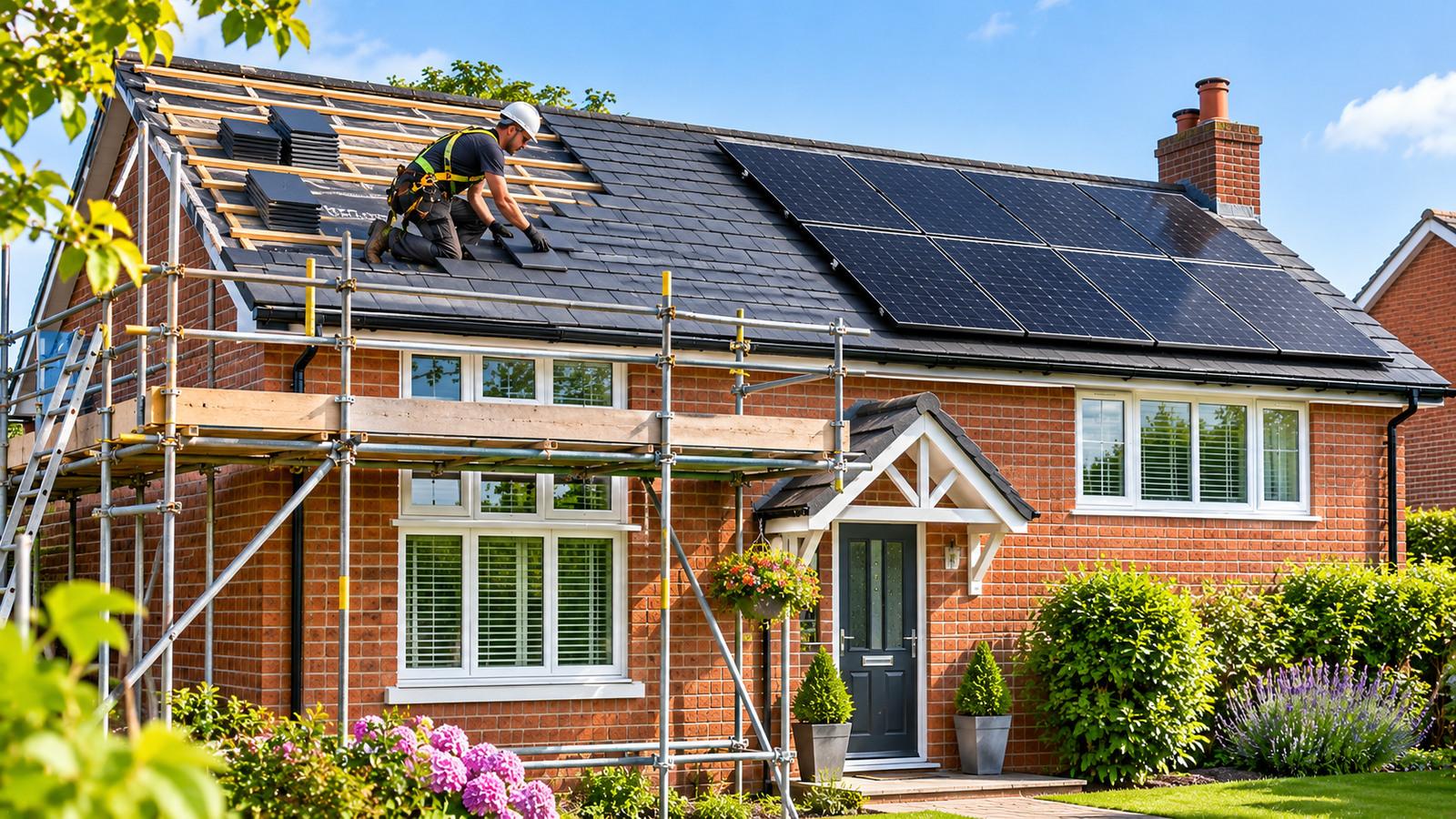
Installing rooftop solar changes more than the way a household uses electricity. The panels, inverter and optional battery are valuable additions to a property, so it is worth checking how they fit within your buildings insurance.
Before arranging solar panel installation, contact your insurer to understand its notification requirements, policy limits and the protection available for renewable energy equipment.
Do You Need to Tell Your Home Insurer?
You should tell your insurer about proposed solar panels before installation. Insurers may need the system details to confirm whether the equipment is covered under the buildings policy or whether the policy needs updating.
Do not assume all insurers treat solar equipment in the same way. Ask for confirmation in writing and keep it with your installation documents.
What Types of Damage Should You Ask About?
Check whether the policy covers solar panels and associated equipment against insured events such as storms, fire, theft or accidental damage. Exclusions, deductibles and maximum claim amounts vary by insurer.
Also ask how the policy handles damage to the roof caused by a covered event and whether temporary removal and refitting costs would be included if major repairs were needed.
Is a Manufacturer Warranty the Same as Insurance?
No. A manufacturer's product warranty generally addresses specified equipment defects under its conditions, while a performance warranty concerns the panel's long-term rated output.
Buildings insurance deals with insured events under a separate contract. A workmanship warranty addresses certain installation-related faults, but it does not replace either insurance or a manufacturer's warranty.
What If You Add a Home Battery?
Tell your insurer if your system includes a battery, or if you add one later. It may request details about the battery model, installation location and electrical safety provisions.
A qualified installer should specify suitable equipment and explain the required protective measures and documentation.
What Records Should You Keep?
Retain the quotation, equipment list, electrical certificate, commissioning documents, applicable MCS certificate, warranties and dated photographs of the installation. These may be useful if you make a claim, sell the house or arrange future repairs.
How Can You Reduce Avoidable Problems?
Choose appropriately qualified installers, follow maintenance guidance and arrange professional checks when a fault is suspected. Never attempt roof-level work or repairs to live electrical equipment yourself.
Final Thoughts
Solar panels can fit within home insurance arrangements, but actual cover depends on your insurer and policy wording. Eco Energy Services offers MCS-certified residential solar installations and provides system documentation. Discuss equipment details with both your installer and insurer before proceeding.

 Arabic
 French
 Spanish
 Portuguese
 Deutsch
 Turkish
 Dutch
 Italiano
 Russian
 Romaian
 Portuguese (Brazil)
 Greek
