

Where Are Digital Financial Services Creating New Opportunities Beyond Conventional Card Transactions in Turkey?
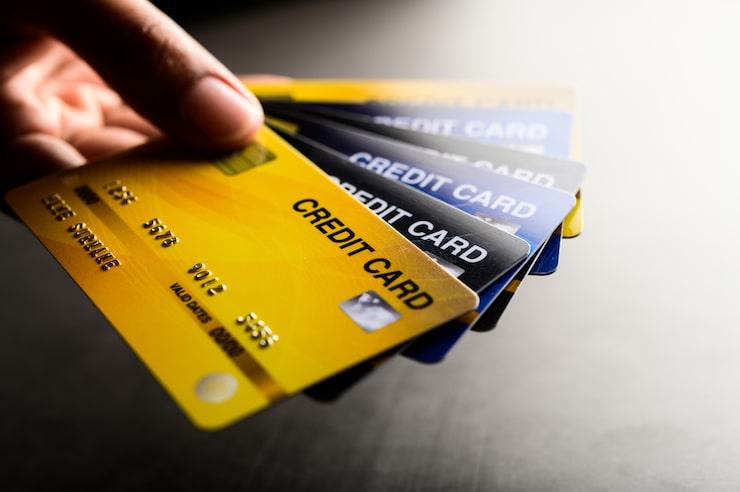
Turkey’s payment landscape is becoming more diverse as established card usage increasingly intersects with mobile wallets, contactless transactions, e-commerce, and digitally enabled financial services. According to a Vyansa Intelligence report, the Turkey cards and payments market was valued at $ 496.72 Billion in 2025 and is projected to reach $ 795.1 Billion by 2032, registering a CAGR of 6.95% during 2026-2032. The industry is being shaped by changing consumer payment preferences, greater reliance on digital channels, and demand for more convenient and flexible ways to complete everyday transactions.
Credit and Debit Cards Remain Central to Payment Activity
Cards continue to provide the foundation of Turkey’s payment environment. Credit cards, debit cards, prepaid products, ATM cards, and other card formats serve different consumer requirements, while digital capabilities are increasingly being incorporated into traditional card experiences.
Credit-based payment options are particularly relevant as consumers seek greater flexibility when managing everyday purchases. E-commerce is also reinforcing the importance of card payments by giving consumers more opportunities to use digital payment instruments outside traditional physical retail environments.
At the same time, debit cards remain important for consumers who prefer direct access to available funds. This creates a payment ecosystem where different card types can coexist while responding to distinct financial needs.
Digital Wallets Are Changing Everyday Payment Experiences
One of the most important developments highlighted in the industry analysis is the increasing relevance of digital wallets and mobile payments. Smartphone-based financial services are making payment functionality more accessible through devices that consumers already use throughout the day.
The concept of having financial services available directly through a smartphone is influencing expectations around convenience. Consumers increasingly look for payment experiences that require fewer physical steps and can be integrated into their broader digital routines.
For payment providers, this creates pressure to make digital interfaces intuitive while maintaining security and reliability. Mobile wallets are therefore not simply another payment channel. They are becoming part of a wider shift toward digitally connected financial experiences.
Contactless Technology Strengthens Payment Convenience
Contactless payments are also contributing to the evolution of Turkey’s payment environment. The technology allows consumers to complete transactions through simpler interactions, supporting faster and more convenient experiences at points of sale.
Contactless functionality can also connect traditional cards with broader digital payment behaviour. Consumers can continue using familiar card-based services while benefiting from newer transaction experiences.
From a Turkey cards and payments industry report perspective, this illustrates an important change in competition. Payment providers are increasingly competing not only on the availability of financial products but also on how easily consumers can use those products in everyday situations.
E-Commerce Is Influencing Payment Preferences
The continued development of e-commerce is closely connected with Turkey’s changing payment landscape. Online shopping requires payment solutions that can function efficiently without the physical interaction associated with conventional retail transactions.
Cards, mobile wallets, digital payment services, and other electronic methods can provide consumers with greater flexibility when completing online purchases. This also encourages payment providers to focus on secure authentication and smooth transaction experiences.
According to this industry report, digital payment adoption is being supported by changing consumer behaviour around online spending. Younger consumers in particular are increasingly familiar with digital-first services, creating opportunities for payment products designed around mobile applications, subscriptions, food delivery, entertainment, and other digital activities.
Younger Consumers Are Accelerating Digital Adoption
Younger users are becoming an important influence on how payment services evolve. Students, millennials, and other digitally familiar consumers are increasingly comfortable using mobile-based financial services for everyday purchases.
Their preferences can encourage providers to develop payment experiences that are faster, simpler, and more closely connected to digital lifestyles. Mobile wallets, contactless cards, virtual payment experiences, and app-based financial services can all support this shift.
This creates an opportunity for financial institutions to develop products that combine payment functionality with broader digital engagement. The ability to deliver convenience without compromising trust will remain important as younger consumers become a larger influence on payment expectations.
Sustainability Creates a New Product Opportunity
Sustainability is introducing another dimension to payment product development. Eco-conscious financial products, including cards made using recycled or bio-based materials, can appeal to consumers who consider environmental considerations when choosing brands and services.
Sustainability can also become part of customer engagement through rewards and programmes connected with social or environmental causes. This creates an opportunity for financial institutions to differentiate their products while responding to changing consumer expectations.
For the wider market research report landscape, the significance of this development lies in how payment products are increasingly being designed around values and experiences rather than transaction functionality alone.
Security and Trust Remain Fundamental
Digitalisation creates new opportunities, but security remains central to consumer acceptance. As payment activity moves across cards, mobile wallets, online platforms, and other digital channels, consumers need confidence that transactions can be completed safely.
Payment providers therefore need to balance convenience with appropriate security controls. A frictionless payment experience is valuable only when users trust the underlying system.
Turkey’s payment infrastructure already includes established card-clearing arrangements alongside electronic fund transfer and instant payment systems operated or licensed within the country’s broader payment framework.
A Broader Choice of Payment Experiences
Turkey’s payment ecosystem is increasingly defined by coexistence rather than replacement. Traditional cards remain important, while mobile wallets, contactless payments, e-commerce, and digitally enabled services create additional ways for consumers to transact.
In this report, the broader direction points toward an ecosystem where accessibility, convenience, flexibility, security, and digital integration increasingly influence payment choices. Providers that can connect these elements effectively may be better positioned to respond to changing consumer expectations.
The next phase of Turkey’s payment industry is therefore likely to be shaped by how successfully established financial infrastructure adapts to digital-first behaviour. For businesses, this creates opportunities to improve payment experiences and strengthen customer engagement. For consumers, it means a broader range of ways to manage everyday transactions across physical and digital environments.

 English
 Arabic
 French
 Spanish
 Portuguese
 Deutsch
 Dutch
 Italiano
 Russian
 Romaian
 Portuguese (Brazil)
 Greek