

Tummy Tuck Surgery Recovery: What to Expect Week by Week
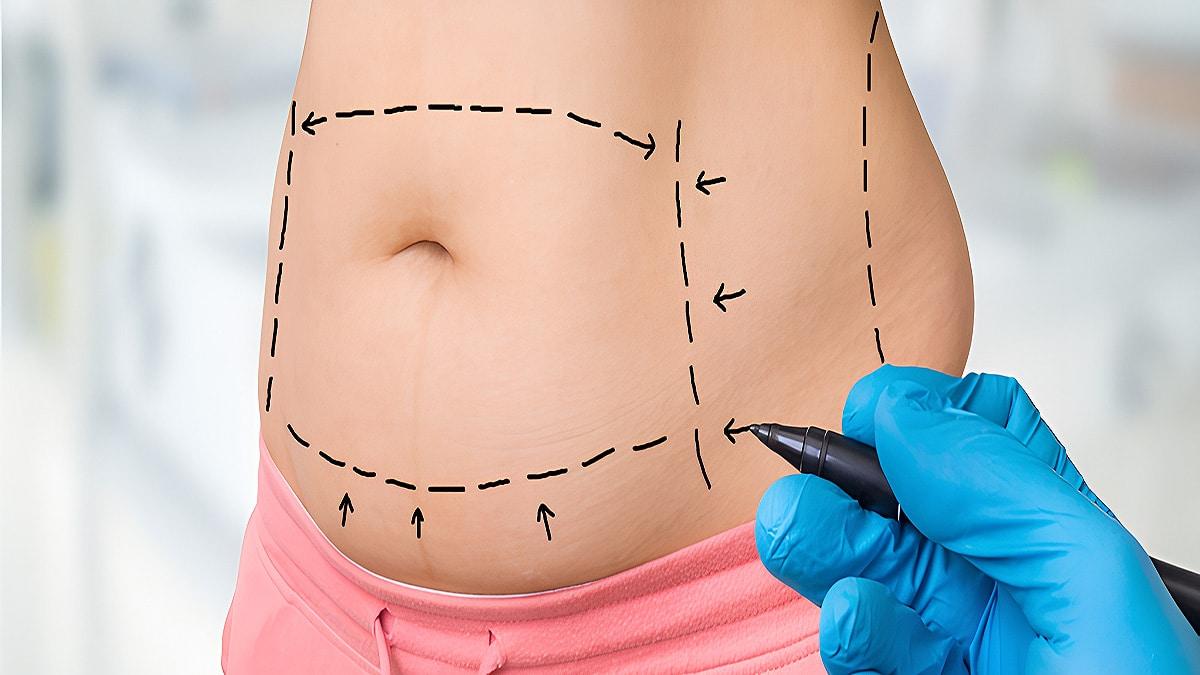
Tummy tuck surgery in Islamabad, medically known as abdominoplasty, removes excess abdominal skin and may tighten weakened or separated abdominal muscles. Because it involves both the skin and deeper tissues, recovery happens gradually rather than overnight. Understanding the tummy tuck surgery recovery timeline can help patients prepare realistically, arrange support, and recognize which changes are expected during healing.
Quick Answer: How Long Does Tummy Tuck Recovery Take?
Most patients need around 2 to 4 weeks before returning to many routine work activities, while strenuous exercise and heavy lifting usually require a longer restriction. Swelling, tightness, numbness, and scar changes can continue for several months. The exact recovery period depends on the surgical technique, whether muscle repair or liposuction was performed, overall health, and individual healing.
The timeline below is a general guide. Your surgeon's specific instructions should always take priority.
Week 1: Rest, Protection, and Early Movement
The first week is usually the most challenging part of recovery. The abdomen may feel tight, swollen, sore, or numb, and standing completely upright may initially be uncomfortable.
During this stage, the main goals are protecting the incision, controlling discomfort, and maintaining safe movement.
- Take prescribed medicines exactly as directed.
- Take short, gentle walks as recommended to support circulation.
- Avoid heavy lifting, strenuous activity, and unnecessary bending.
- Sleep in the position recommended by your surgical team.
- Wear a compression garment or abdominal binder if prescribed.
- Keep incisions and drains clean according to your aftercare instructions.
Some patients have temporary surgical drains to remove excess fluid. If drains are used, your healthcare team will explain how to monitor and empty them. Early walking is generally encouraged because prolonged immobility can increase the risk of blood clots.
Week 2: Gradual Improvement in Mobility
By the second week, pain and soreness often begin to decrease, although swelling and abdominal tightness may remain. You may be able to move more comfortably around your home and gradually return to light daily activities.
Many people with sedentary jobs may begin considering a return to work during weeks 2 to 4, but physically demanding jobs can require more time away.
At this stage:
- Continue gentle walking.
- Follow your surgeon's instructions about compression garments.
- Avoid lifting heavy objects.
- Do not restart abdominal exercises without medical clearance.
- Attend scheduled follow-up appointments.
Feeling better does not necessarily mean that the deeper tissues have completely healed. Internal healing continues even when the incision begins to look improved.
Weeks 3–4: Returning to Normal Daily Activities
Weeks three and four are often when patients notice a meaningful improvement in comfort and mobility. Walking becomes easier, posture gradually becomes more natural, and swelling may begin to settle.
Some patients can return to desk-based work during this period, depending on their recovery and job requirements. Driving should only resume when you are comfortable with normal vehicle movements, can react safely, and are no longer affected by medications that impair alertness.
You may still experience:
- Mild to moderate swelling
- Abdominal tightness
- Numbness or altered skin sensation
- Fatigue after increased activity
- A visible but still-healing scar
These sensations can change gradually over the following months.
Weeks 5–6: Building Back Activity
Around weeks five and six, many patients feel considerably more independent. Swelling may continue to decrease, although the abdomen may not yet show its final contour.
Your surgeon may gradually allow increased physical activity if the incision and deeper tissues are healing properly. However, heavy lifting and intense abdominal exercises should not be restarted simply because you feel well.
A safe recovery generally means progressing activity gradually rather than testing your limits. Your follow-up assessment is important for determining when specific exercises can be resumed.
After 6–12 Weeks: Continued Healing and Refinement
By this stage, many patients can progressively return to more normal activities after receiving medical clearance. However, recovery does not necessarily end at six weeks.
The scar can remain pink, firm, or noticeable while it matures. Changes in abdominal sensation, including numbness or tingling, may also continue improving over time. Some patients may notice intermittent swelling, particularly after increased activity.
The final appearance develops progressively rather than immediately. Scar maturation can take many months, and some changes may continue for a year or longer.
How to Support a Smooth Tummy Tuck Recovery
Your recovery habits can make the healing period easier and help protect your surgical result.
- Follow aftercare instructions: Your surgical team knows the details of your procedure.
- Stay gently active: Short walks may be recommended while strenuous exercise remains restricted.
- Eat nutritious meals: Adequate protein, vitamins, minerals, and fluids support normal tissue repair.
- Avoid smoking: Smoking can reduce blood flow and interfere with wound healing.
- Protect the incision: Avoid unnecessary pulling, friction, or pressure.
- Keep follow-up appointments: Your healthcare provider can identify healing concerns early.
When Should You Contact Your Surgeon?
Some discomfort, swelling, bruising, tightness, and altered sensation can be expected after abdominoplasty. However, certain symptoms require prompt medical attention.
Contact your surgical team if you develop increasing rather than improving pain, significant bleeding, wound separation, signs of infection, unusual swelling, fever, or other concerning changes. Sudden chest pain, difficulty breathing, or other emergency symptoms require immediate medical attention.
Tummy Tuck Surgery at SKN Cosmetics in Islamabad
Patients considering abdominoplasty can discuss their goals, recovery expectations, surgical options, and aftercare requirements with a qualified medical team. SKN Cosmetics in Islamabad provides cosmetic and aesthetic treatment services, allowing patients to receive professional guidance about whether tummy tuck surgery is appropriate for their individual needs. A proper consultation is important because recovery can vary according to the extent of surgery and each patient's health and healing response.
Frequently Asked Questions
How long does tummy tuck surgery recovery take?
Initial recovery commonly takes several weeks. Many patients return to work within approximately 2–4 weeks, while strenuous activities may require longer restrictions. Complete scar and tissue maturation takes considerably longer.
When can I walk normally after a tummy tuck?
Gentle walking is generally introduced early, but standing fully upright may initially be uncomfortable. Normal posture usually returns gradually as the abdominal tissues heal.
When can I exercise after tummy tuck surgery?
Exercise should be restarted gradually and only after your surgeon provides clearance. Heavy lifting and abdominal exercises generally require a longer recovery period than ordinary walking.
How long does swelling last after a tummy tuck?
Swelling usually decreases progressively over several weeks, but some residual swelling can remain for months. Temporary swelling does not necessarily represent the final surgical result.
When will my tummy tuck scar fade?
A scar continues to mature after the incision has healed. It can take many months, and in some patients around a year or longer, to become significantly less noticeable. Your surgeon can recommend appropriate scar-care methods.
Final Thoughts
Tummy tuck recovery is a gradual process that moves from protection and rest in the first week toward increasing mobility over the following weeks. Patience is essential because the abdomen can look improved before the deeper tissues and scars have fully healed. Following professional aftercare instructions, attending follow-up appointments, maintaining healthy habits, and avoiding premature strenuous activity can support a safer recovery and a better long-term outcome.
Contact Information
SKN Cosmetics Islamabad

 English
 Arabic
 French
 Spanish
 Portuguese
 Deutsch
 Turkish
 Dutch
Dutch
 Italiano
 Russian
 Romaian
 Greek
Greek
