

How Early Childhood Education Builds a Foundation for School Readiness
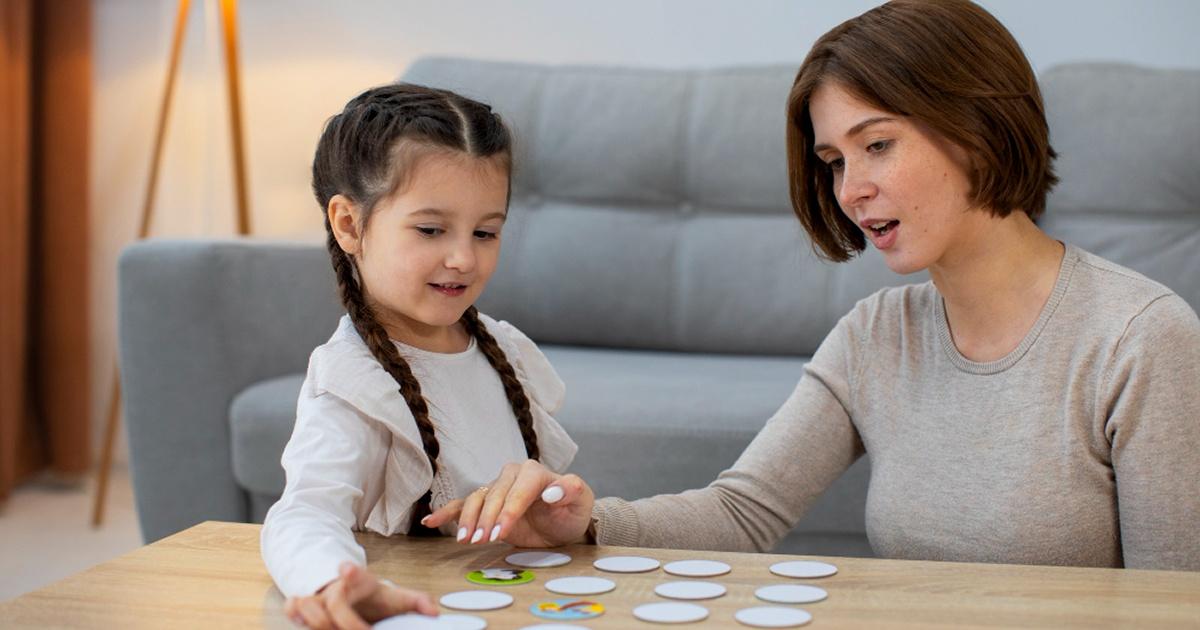
Starting school is an important milestone in a child’s life. Children enter the classroom with different experiences, abilities, interests, and levels of confidence. While school readiness is sometimes associated mainly with knowing letters, numbers, or basic academic concepts, being ready for school involves much more. Children also need social, emotional, communication, and self-help skills that help them participate successfully in a classroom environment.
Early childhood education can provide children with opportunities to develop these skills in a supportive and structured setting. Through age-appropriate learning activities, play, routines, and social interactions, children can build a strong foundation for their transition to formal schooling.
Developing Early Learning Skills
One of the main benefits of early childhood education is that it introduces children to basic concepts in ways that are appropriate for their age and development. Children may explore letters, numbers, shapes, colors, patterns, books, and simple problem-solving activities through games and hands-on experiences.
These early learning opportunities do not need to resemble formal classroom lessons. Young children often learn best when they can explore and interact with materials. Activities such as sorting objects, identifying shapes, listening to stories, drawing pictures, or counting items can help develop early cognitive and academic skills.
These experiences give children familiarity with learning activities and can make the transition into a more structured school environment easier.
Building Communication Skills
Communication is an important part of school readiness. Children need to understand instructions, express their needs, ask questions, participate in conversations, and communicate with teachers and other children.
Early childhood education provides regular opportunities for children to practice these skills. Storytelling, group discussions, songs, reading activities, and everyday conversations can help children expand their vocabulary and become more comfortable expressing themselves.
Listening is equally important. Children learn to pay attention to others, follow simple directions, and respond appropriately during activities. These skills can help them participate more confidently when they begin school.
Encouraging Social Development
School involves spending time with other children, sharing materials, taking turns, and participating in group activities. For some children, adjusting to these social expectations can take time.
Early childhood programs provide opportunities to practice positive social behaviors in a supervised environment. Children can learn how to cooperate with others, resolve simple disagreements, share, and work together toward common goals.
These experiences also help children understand that classrooms are shared spaces where everyone has a role. Learning to interact respectfully with peers can make the transition to school more comfortable.
Supporting Emotional Development
Emotional readiness is another important part of preparing for school. Children may experience excitement, frustration, disappointment, or anxiety when entering a new environment. Learning how to recognize and express emotions can help them manage these experiences.
Early childhood educators can encourage children to identify their feelings and develop age-appropriate ways of responding to them. Children can gradually learn that it is okay to feel frustrated or nervous while also learning strategies for calming themselves and asking for help.
A supportive learning environment can also help children build confidence. When children are encouraged to try new activities and learn from mistakes, they can develop a positive attitude toward learning.
Developing Independence
School readiness also includes everyday self-help skills. Depending on their age, children may be encouraged to manage simple tasks such as putting away toys, washing their hands, organizing personal belongings, or asking for assistance when necessary.
These routines help children become more independent and responsible. They also teach children how to follow expectations and complete familiar tasks without constant adult assistance.
Developing independence does not mean children need to handle everything on their own. Instead, early childhood education can gradually give children opportunities to practice skills while receiving support when they need it.
Learning to Follow Routines
Classrooms often operate according to predictable routines. Children may be expected to move between activities, listen during group time, clean up materials, and transition from one task to another.
Early childhood programs can introduce children to similar routines in an age-appropriate way. Consistent schedules help children understand what to expect throughout the day and become comfortable with transitions.
Learning to follow routines can also help children develop attention, patience, and an understanding of classroom expectations.
Encouraging Curiosity and Problem-Solving
School readiness is not only about what children already know. It is also about their willingness to explore, ask questions, and learn new things.
Early childhood education can encourage curiosity through activities that allow children to experiment and discover answers. Building with blocks, completing puzzles, exploring nature, creating art, or participating in simple science activities can encourage children to think creatively and solve problems.
When children are given opportunities to make choices and explore different solutions, they can develop confidence in their ability to learn.
Creating Positive Learning Experiences
A child's early experiences with learning can influence how they approach education later. If children associate learning with encouragement, exploration, and discovery, they may be more willing to participate in new activities.
Early childhood educators can help create positive experiences by recognizing individual strengths and providing activities that match children's developmental needs. Every child develops at a different pace, so a supportive environment should allow room for individual differences.
Families also play an important role. Reading together, talking about daily experiences, encouraging questions, and involving children in simple household activities can reinforce skills developed through early learning.
Conclusion
School readiness involves much more than recognizing letters and numbers. Children also need communication, social, emotional, independence, and problem-solving skills to feel comfortable and participate in a classroom environment.
Early childhood education provides opportunities for children to practice these skills through play, routines, relationships, and age-appropriate learning activities. With consistent support from educators and families, children can develop the confidence and abilities they need as they move toward formal schooling.
A strong foundation during the early years can help children approach their next educational stage with greater confidence, curiosity, and readiness to learn.

 English
 Arabic
 French
 Portuguese
 Deutsch
 Turkish
 Dutch
 Italiano
 Russian
 Romaian
 Portuguese (Brazil)
 Greek
