

Post-Treatment Care for Laser Hair Removal in Dubai: What to Do and Avoid
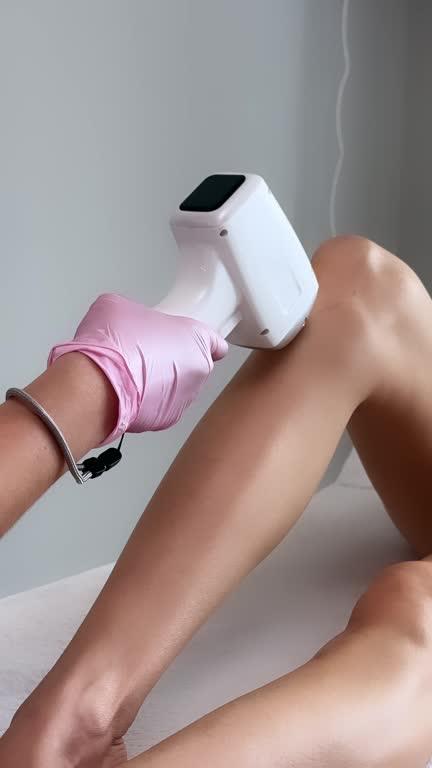
After Laser Hair Removal in Dubai, the treated skin may feel warm, look slightly red, or develop temporary swelling around individual follicles. These reactions are often short-lived, but appropriate aftercare is important for maintaining skin comfort and recognising signs that need professional attention.
The right routine depends on the treatment area, device, settings, and individual skin response. Following the practitioner's instructions is more reliable than applying a universal aftercare schedule.
What Your Skin May Experience After Laser Hair Removal in Dubai
Laser energy creates controlled heating around targeted hair follicles. The surrounding skin can respond temporarily as it settles after the procedure.
Common Short-Term Skin Reactions
Some patients experience:
-
Mild redness around treated follicles.
-
A warm or sun-exposed sensation.
-
Slight swelling around hair openings.
-
Temporary sensitivity or tenderness.
These reactions do not necessarily indicate a complication. However, symptoms that become severe, spread, or worsen should be assessed by a qualified professional.
Understanding the Hair-Shedding Process
Treated hairs do not always disappear immediately. Some may remain visible before gradually shedding over the following days or weeks.
This process can vary between individuals and treatment areas. Avoid pulling or forcibly removing hairs that appear to be shedding.
Gentle Skincare After Laser Hair Removal in Dubai
The skin may be more sensitive immediately after treatment, so a simple routine is generally preferable.
Cleanse Without Excessive Friction
Use gentle cleansing methods and avoid scrubbing the treated area. Pat the skin dry rather than rubbing it with a towel.
If the practitioner recommends a particular soothing product, follow the application instructions and check that it is suitable for your skin.
Choose Skincare Products Carefully
For a short period after treatment, your practitioner may advise avoiding products that can increase irritation, such as:
-
Strong exfoliating acids.
-
Retinoid-based products.
-
Abrasive scrubs.
-
Fragranced products that cause sensitivity.
-
Harsh depilatory creams.
The appropriate restrictions depend on your skin and the procedure. Ask before restarting active skincare ingredients.
Protect Treated Skin From Sun Exposure
Sun protection deserves particular attention in Dubai, where outdoor exposure can be significant throughout the year.
Why Sun Protection Matters
UV exposure can irritate recently treated skin and contribute to unwanted pigmentation changes. Recently tanned skin may also affect the suitability of future laser sessions.
Practical Sun-Care Measures
Consider these habits:
-
Apply broad-spectrum sunscreen to exposed treated areas.
-
Reapply sunscreen as directed on the product label.
-
Use clothing or shade to limit direct exposure.
-
Avoid intentional tanning.
-
Tell your practitioner about any new tan before the next session.
If the skin is blistered, broken, or severely irritated, seek professional advice before applying products to the affected area.
Activities to Avoid After Treatment
Certain activities may increase warmth, friction, or irritation in the treated area.
Exercise and Excessive Heat
Your practitioner may recommend temporarily avoiding strenuous exercise, saunas, steam rooms, hot baths, or other activities that produce significant heat.
The recommended restriction period can vary, so follow the instructions given for your session rather than relying on a fixed timeframe.
Scratching, Picking, and Rubbing
Avoid scratching or picking at the skin, even if it feels slightly itchy. Friction can worsen irritation and may damage the skin's surface.
Wear comfortable clothing where possible, particularly after treating areas that are normally covered.
Avoid Waxing and Plucking Between Sessions
Laser treatment targets pigment associated with hair inside the follicle. Waxing and plucking can remove that target.
If hair removal is needed between appointments, shaving is commonly permitted, subject to your practitioner's instructions.
How to Recognise a Possible Complication
Most temporary reactions settle without special intervention. However, some symptoms need prompt assessment.
Signs That Require Professional Attention
Contact your clinic or a qualified healthcare professional if you notice:
-
Severe or increasing pain.
-
Blistering or open skin.
-
Significant swelling.
-
Persistent or worsening redness.
-
Unexpected dark or light patches.
-
Signs of infection, such as spreading redness or discharge.
Do not attempt to treat burns or blisters with unapproved home remedies. Seek medical advice, particularly if symptoms are severe or progressing.
Preparing for Your Next Laser Hair Removal Session
Aftercare continues beyond the first few days. Your response to each appointment can help the practitioner evaluate the treatment plan.
Keep Track of Skin Reactions
Make a note of any unusual discomfort, irritation, pigmentation changes, or delayed reactions. Share this information before your next appointment.
Maintain the Recommended Schedule
Hair follicles respond differently depending on their growth stage. Appointments are generally spaced to target additional hairs as they enter a more responsive phase.
Avoid bringing sessions forward or changing the schedule without consulting your practitioner.
Discuss Changes in Hair Growth
Some patients notice uneven shedding or areas that respond differently. This does not automatically mean treatment has failed. Hair thickness, growth cycles, hormonal influences, and treatment settings can all affect progress.
Clinic Note: Aftercare should reflect the condition of your skin, not just the treatment area. If a reaction feels unusual or is getting worse, contact your treatment provider instead of trying multiple skincare products.
Frequently Asked Questions
Can I shower after laser hair removal?
Follow the clinic's advice about showering and water temperature. Gentle cleansing is generally preferable to very hot water or vigorous scrubbing while the skin is sensitive.
Can I exercise after my appointment?
Your practitioner may recommend avoiding strenuous exercise temporarily, especially if it causes excessive heat or friction in the treated area. Ask for guidance based on your session.
Is redness normal after laser hair removal?
Mild, temporary redness and swelling around follicles can occur. Severe, persistent, or worsening symptoms should be assessed professionally.
Can I shave between laser sessions?
Shaving is commonly allowed because it does not remove the hair from the follicle. Follow the timing and technique recommended by your practitioner.
Support Your Results With Consistent Aftercare
A gentle skincare routine, sensible sun protection, and attention to unusual reactions can help support skin comfort between appointments. At Tajmeels Clinic, patients can discuss post-treatment concerns and receive guidance based on their individual treatment plan.

 Arabic
 French
 Spanish
 Portuguese
 Deutsch
 Turkish
 Dutch
 Italiano
 Russian
 Romaian
 Portuguese (Brazil)
 Greek
