

Treating Dark Skin Folds With Modern Skin Rejuvenation Techniques
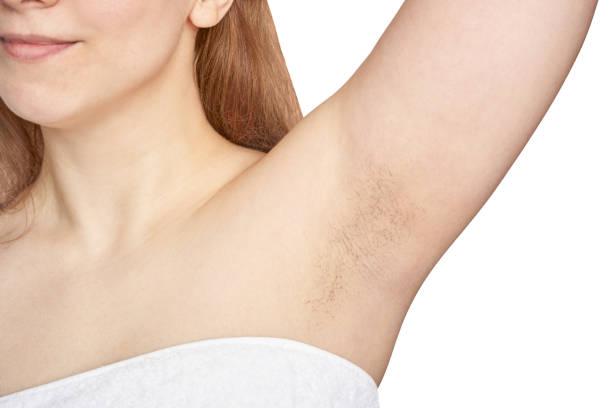
Dark skin folds can develop in areas such as the underarms, inner thighs, neck, and groin. These areas often experience friction, moisture, and repeated irritation, which may contribute to uneven pigmentation over time. Changes in skin tone can also be influenced by hair removal, inflammation, hormonal factors, or certain medical conditions. Understanding How to Treat Dark Underarms and Inner Thighs requires more than choosing a brightening product; it involves identifying the cause and selecting a suitable approach for the skin's condition.
Modern skin rejuvenation techniques offer different ways to improve the appearance of uneven tone, texture, and pigmentation. Options may include professional skincare, chemical peels, selected laser procedures, and treatments that support overall skin quality. However, no single procedure is appropriate for every person. The right approach depends on pigmentation depth, skin sensitivity, natural skin tone, and medical history. A professional assessment can help determine which options are suitable and establish realistic expectations.
Why Skin Folds Need Specialized Treatment
Skin folds are exposed to repeated movement and contact, making them more vulnerable to irritation than many other areas. Tight clothing, sweating, shaving, and unsuitable personal care products may contribute to inflammation. When the skin becomes irritated, it can produce excess pigment as part of its healing response, leaving darker marks.
Some dark patches may also be associated with conditions such as acanthosis nigricans. This can appear as thicker, velvety discoloration in areas including the neck, underarms, and groin. It may be associated with insulin resistance and other health factors, so medical evaluation is important when this appearance develops. Treating pigmentation without addressing an underlying condition may not provide lasting improvement.
Modern Skin Rejuvenation Options
Different professional techniques may be considered depending on the type and cause of pigmentation.
Chemical Peels for Uneven Skin Tone
Chemical peels use carefully selected exfoliating ingredients to remove some surface skin cells and encourage skin renewal. Certain superficial peels may help improve mild discoloration and uneven texture. Because skin folds are sensitive, the strength and type of peel must be chosen carefully by a qualified practitioner. Strong or unsuitable peels can cause burns, irritation, and additional pigmentation.
Laser Treatments for Targeted Pigmentation
Some laser technologies deliver controlled light energy to target excess pigment in the skin. Depending on the device and the depth of discoloration, treatment may gradually improve the appearance of selected dark areas. Laser procedures require careful settings, especially for naturally deeper skin tones, because excessive energy can cause burns or post-inflammatory hyperpigmentation. A specialist should assess suitability before treatment.
Medical-Grade Skincare
Professional skincare plans may include ingredients such as niacinamide, azelaic acid, or other dermatologist-selected formulations. These products can support gradual improvement in certain types of pigmentation while helping maintain skin condition. Prescription-strength ingredients should only be used with appropriate medical guidance, particularly on delicate skin folds.
Treatments That Support Skin Texture
Some rejuvenation approaches focus on improving overall skin texture and hydration rather than directly targeting pigment. Depending on the concern, a practitioner may recommend barrier-supporting skincare or other suitable treatments. These options should be selected according to the individual's skin needs, not simply because they are described as advanced or modern.
How to Choose the Right Rejuvenation Technique
Choosing a treatment begins with understanding what is causing the discoloration. A specialist may examine the affected areas, ask about previous skincare products and hair-removal methods, and review any related symptoms or medical history. This helps distinguish pigmentation caused by irritation from changes that may require medical investigation.
The treatment plan should also account for skin tone and sensitivity. People with deeper skin tones can be more prone to post-inflammatory pigmentation after aggressive procedures. A conservative approach, appropriate device selection, and careful monitoring can help reduce avoidable risks. In some cases, improving daily skincare habits may be more appropriate than starting a procedure.
Preparing for Treatment and Supporting Skin Recovery
Before a professional procedure, follow the practitioner's instructions about skincare products, shaving, and sun exposure. Avoid using strong exfoliants or irritating products unless specifically recommended. Tell the practitioner about previous reactions, active skin conditions, medications, and any history of unusual pigmentation.
After treatment, follow the recommended recovery routine. This may involve gentle cleansing, moisturizing, avoiding friction, and temporarily stopping active skincare ingredients. Do not scrub peeling or sensitive skin. Contact a healthcare professional if severe pain, blistering, swelling, or unusual irritation develops.
Everyday Habits That Help Maintain Skin Quality
Professional rejuvenation works best when combined with habits that reduce repeated irritation. Choose breathable clothing, avoid excessive rubbing, and use gentle personal care products. If shaving regularly causes bumps or dark marks, consider discussing alternative hair-removal methods with a professional. Keep skin folds clean and dry without over-washing, and avoid unregulated bleaching creams.
For anyone researching How to Treat Dark Underarms and Inner Thighs, maintaining skin comfort is an important part of a long-term approach. Even after improvement, the original triggers may continue to affect pigmentation if they are not addressed.
When to Seek Professional Assessment
Persistent or spreading discoloration should be evaluated, particularly when it appears with thickened skin, itching, pain, scaling, or changes in texture. Sudden darkening in several body folds may also warrant medical review. A dermatologist can determine whether cosmetic treatment is appropriate or whether an underlying condition needs attention first.
Modern procedures can improve selected pigmentation concerns, but results vary and complete removal cannot be guaranteed. A safe treatment plan should prioritize the health of the skin and provide realistic expectations.
Book a Skin Consultation at Royal Clinic Saudi
If you are considering professional care for dark skin folds, a consultation can help identify suitable options. Royal Clinic Saudi can assess your skin concerns, discuss available rejuvenation techniques, and explain the benefits and limitations of each approach. A personalized plan can help you make informed decisions while prioritizing skin safety.
FAQs:
1. Can chemical peels improve dark skin folds?
Selected superficial peels may improve some pigmentation, but they must be chosen carefully for sensitive areas.
2. Are laser treatments suitable for all skin tones?
Not every laser is suitable for every skin tone; professional assessment and appropriate settings are essential.
3. Can skin rejuvenation treatments prevent pigmentation from returning?
They may improve existing discoloration, but recurring friction or underlying conditions can cause it to return.
4. Should I treat thick, dark skin folds with brightening creams?
Seek medical assessment first, as thickened or velvety patches may have an underlying cause.

 English
 Arabic
 French
 Spanish
 Portuguese
 Deutsch
 Turkish
 Dutch
 Italiano
 Russian
 Portuguese (Brazil)
 Greek
