

Automatic Barrier Installation in UAE: Reliable Vehicle Access and Security
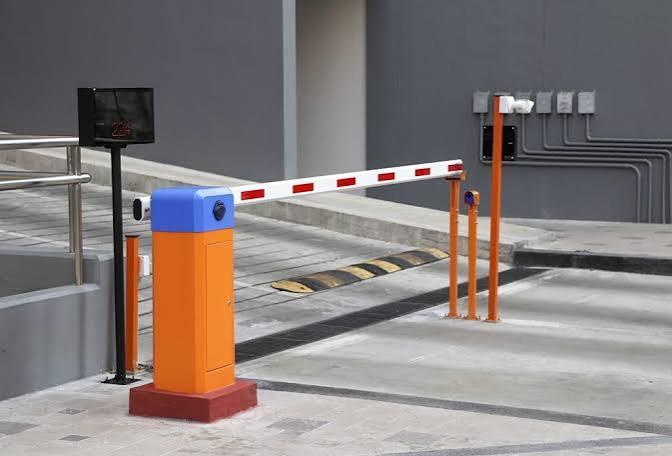
Managing vehicle entry and exit is an important part of protecting residential communities, commercial buildings, parking facilities, and industrial properties. Uncontrolled vehicle movement can create security concerns, traffic congestion, and difficulties for property management teams. Modern automated systems provide a convenient way to regulate access while improving the overall movement of vehicles. Professional Automatic barrier installation in UAE helps property owners establish controlled entrances with suitable equipment, access technologies, and safety features.
Automatic barriers are commonly used at villa communities, office parking areas, shopping centers, hotels, warehouses, and restricted facilities. They operate through motorized mechanisms that raise and lower a barrier arm when an authorized entry request is received. Depending on the installation, users can operate these systems through remote controls, access cards, RFID tags, vehicle recognition cameras, or security personnel.
Understanding How Automatic Barrier Systems Work
An automatic barrier system consists of a motorized mechanism, control panel, barrier arm, access device, and safety components. When a vehicle approaches a controlled entrance, the system receives an authorization signal through its selected access method.
After successful verification, the controller activates the motor and raises the barrier arm. Once the vehicle passes through, sensors help determine when the entrance is clear so that the arm can return to its closed position.
Modern systems can also maintain access records and connect with other security technologies. This allows property managers to coordinate vehicle entry with CCTV monitoring, electronic access control, and parking management software.
Different Types of Automatic Barriers
Selecting the right barrier depends on the entrance width, vehicle volume, available space, and required security level. Several automated options are suitable for different properties.
Automatic Boom Barriers
Boom barriers use a horizontal arm that lifts vertically to allow vehicles to pass. They are widely used in residential communities, office parking areas, commercial buildings, and controlled vehicle entrances. Their relatively compact design makes them suitable for locations where traffic needs to be regulated without installing a full gate.
Automatic Sliding Gates
Sliding gates move horizontally along a track or suitable supporting mechanism. They are commonly considered for wider entrances, industrial facilities, and properties where a swinging gate would require too much space.
Automatic Swing Gates
Swing gates open inward or outward through motorized operators. They are suitable for selected villa entrances, residential compounds, and commercial properties where the available space allows the gate leaves to move safely.
Rising Bollards
Rising bollards move vertically from the ground to restrict vehicle access. They are often used where stronger perimeter control or separation between pedestrian and vehicle areas is required. High-security installations should use equipment with appropriate tested performance ratings.
Where Automatic Barriers Are Commonly Installed
Automated vehicle barriers can support access management across many property types in the UAE.
Residential Communities: Gated communities and apartment complexes use barriers to manage resident vehicles, visitors, delivery personnel, and service vehicles. RFID tags and remote controls can make authorized entry more convenient.
Commercial Parking Facilities: Shopping centers, hotels, and office buildings can use automatic barriers to organize vehicle movement and manage parking access. Compatible systems may also connect with ticketing and parking payment platforms.
Industrial and Warehouse Properties: Factories, logistics centers, and warehouses often require controlled vehicle entrances to protect equipment, inventory, and operational areas. Heavy-duty systems may be suitable for locations with frequent vehicle movement.
Government and Restricted Facilities: Certain facilities require specialized vehicle security arrangements. Depending on the risk assessment, installations may include rising bollards, road blockers, and integrated access management equipment.
Important Features to Consider Before Installation
Choosing an automatic barrier involves more than selecting an arm length or motor. The complete system should match the property's traffic conditions and security requirements.
Two particularly important considerations are:
-
Motor performance and traffic capacity: Select a barrier designed for the expected daily operating cycles, entrance width, and vehicle movement. High-traffic locations may require equipment with a suitable duty rating and opening speed.
-
Safety sensors and access integration: Consider photocells, vehicle loop detectors, radar sensors, and compatible access devices to support safer operation and controlled entry.
Other features should also be evaluated. Weather protection is important because equipment installed outdoors must withstand dust, heat, moisture, and direct sunlight. Backup power can help maintain operation during temporary electrical interruptions, depending on the selected system.
The control panel should also support the required operating modes, including remote operation, automatic closing, manual release, and connection with other security equipment where appropriate.
Integration with RFID, ANPR, and CCTV Systems
Automatic barriers become more useful when connected with modern vehicle identification technologies. RFID systems allow authorized vehicles to enter through registered cards or windshield tags. This method is particularly useful for residential communities and staff parking areas.
Automatic Number Plate Recognition (ANPR) cameras identify vehicle registration plates through image-processing technology. When integrated with compatible access management software, they can compare recognized plates against an approved vehicle database.
CCTV cameras provide additional visual monitoring around entrances and exit lanes. Combining surveillance with access control can help security teams review vehicle activity and investigate unusual entry attempts.
These integrations should be planned carefully to ensure that the barrier controller, readers, cameras, and management software are compatible.
Installation Process and Regular Maintenance
A successful barrier installation begins with a site inspection. The entrance width, road surface, traffic direction, power availability, and available mounting space should be evaluated before selecting equipment.
After the assessment, the appropriate barrier type and accessories can be chosen. Installation may involve preparing the foundation, fitting the barrier mechanism, connecting electrical components, configuring access devices, and installing safety sensors.
Commissioning is an essential final step. The installer should test opening and closing operations, vehicle detection, obstruction response, access permissions, and manual release functions. Safety devices should be checked according to the manufacturer's instructions and the applicable installation requirements.
Regular maintenance helps support dependable performance. The motor, control panel, arm mechanism, sensors, electrical connections, and mounting points should be inspected periodically. High-traffic installations may require more frequent servicing than residential systems.
Why Choose Jesr Al Fasht Security Devices Fix?
Selecting a suitable security provider is important when installing an automated vehicle access system. Jesr Al Fasht Security Devices Fix focuses on security solutions designed to support residential and commercial property requirements.
Every installation should begin with understanding the entrance layout, expected traffic, security priorities, and available infrastructure. Choosing compatible equipment and suitable safety components helps create a coordinated system that supports daily vehicle movement.
A properly planned installation can also consider integration with CCTV cameras, RFID readers, ANPR technology, and electronic access control. Whether a property requires a parking entrance barrier, a residential gate automation system, or controlled access for an industrial facility, suitable equipment and professional installation support can contribute to long-term operational reliability.
Conclusion
Automatic barriers provide an effective way to regulate vehicle movement, manage authorized access, and improve entrance security. Boom barriers, sliding gates, swing gates, and rising bollards offer different options depending on property requirements and security priorities. By considering traffic capacity, safety sensors, access integration, environmental protection, and regular maintenance, property owners can make informed decisions about Automatic barrier installation in UAE and develop a reliable vehicle access system.
Frequently Asked Questions
1. Where are automatic barriers commonly installed?
They are commonly installed at residential communities, office buildings, shopping centers, hotels, warehouses, parking facilities, and restricted properties.
2. Can automatic barriers operate with RFID cards?
Yes. Compatible barrier systems can connect with RFID readers, allowing registered residents, employees, or authorized drivers to operate the entrance.
3. What safety features should an automatic barrier include?
Depending on the system, safety features may include photocells, vehicle loop detectors, radar sensors, warning lights, and obstruction detection. The required configuration depends on the equipment and installation environment.
4. How often should an automatic barrier be maintained?
Maintenance frequency depends on the manufacturer's recommendations, traffic volume, and operating conditions. Regular inspections help identify mechanical wear, sensor problems, and electrical issues before they cause operational failures.

 English
 Arabic
 Spanish
 Portuguese
 Deutsch
 Turkish
 Dutch
 Italiano
 Russian
 Romaian
 Portuguese (Brazil)
 Greek
