

Air Import Customs Clearance Process in Mumbai | Complete Guide
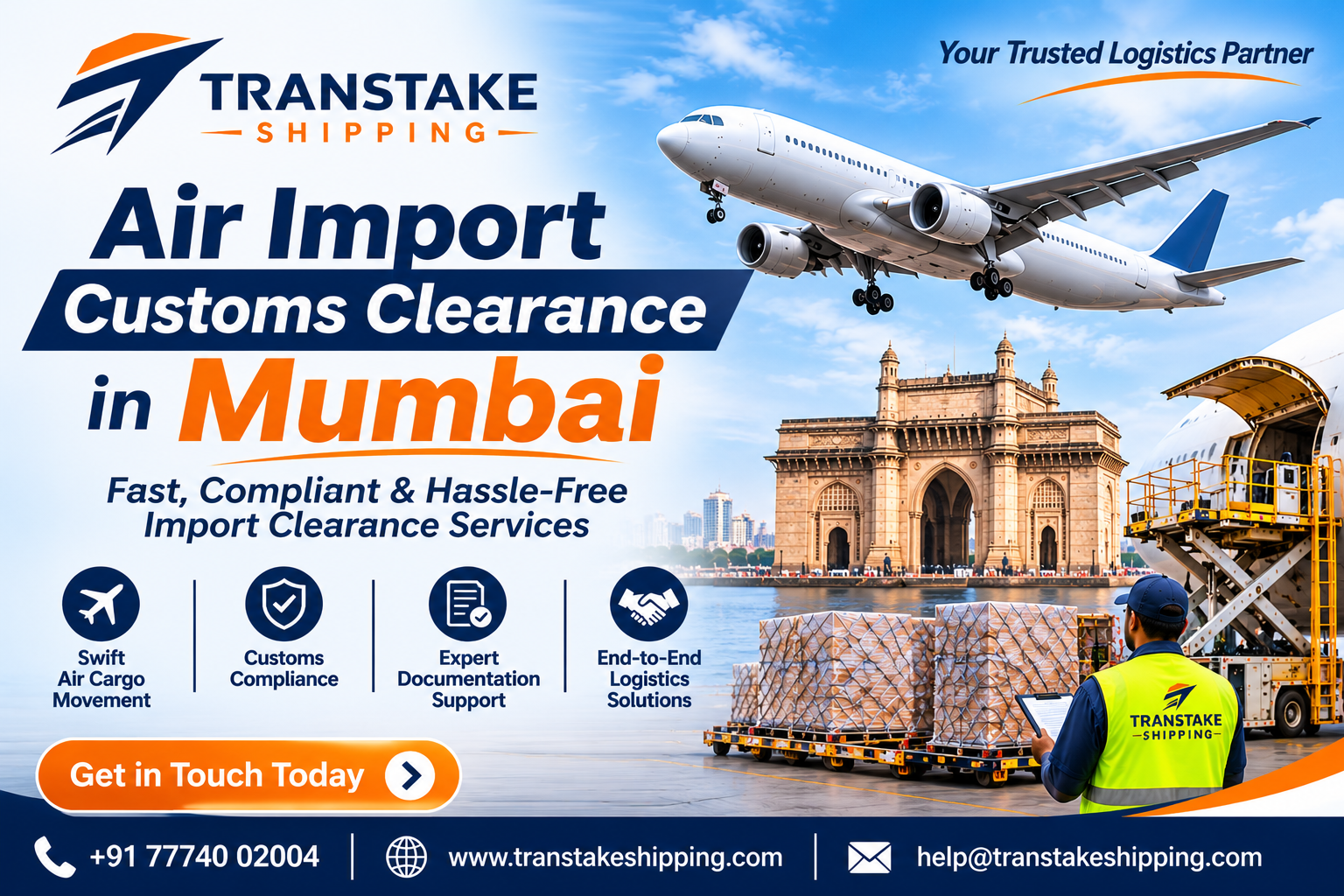
Importing goods into India through air cargo can be an efficient option for businesses that require faster transportation. However, international air shipments must complete the necessary customs procedures before they can be released to importers.
Mumbai is an important gateway for international air cargo. Businesses importing goods through Mumbai need to understand the documentation, customs assessment, duty payment, and cargo release process.
This guide explains the major steps involved in air import customs clearance and how professional logistics support can make the process easier.
Step 1: Understand Your Import Requirements
Before arranging an international shipment, importers should identify the products they intend to import.
Important information includes:
-
Product description and classification.
-
Quantity and declared value.
-
Country of origin.
-
Product specifications.
-
Applicable import restrictions.
-
Required licences and approvals.
Understanding these details helps determine the applicable customs and regulatory requirements.
Step 2: Arrange International Air Cargo Transportation
Once the import requirements are confirmed, the importer can coordinate with the overseas supplier and freight forwarding company.
The shipment is prepared for air transportation, and the necessary cargo details are shared for booking and documentation.
An Air Waybill is issued as the transportation document for the air cargo shipment.
Step 3: Prepare the Required Import Documents
Accurate documentation is essential for customs clearance.
Common documents include:
Commercial Invoice: Provides the seller, buyer, product description, quantity, and declared value.
Packing List: Contains details about packages, dimensions, quantity, and shipment weight.
Air Waybill: Provides shipment and transportation information.
Bill of Entry: The customs declaration filed for the imported goods.
Import Export Code: Generally required for commercial imports, subject to applicable exemptions.
Additional certificates or permissions may be required depending on the product category.
Step 4: Bill of Entry Filing
The Bill of Entry is an important document in the Indian import customs process.
It contains information about the imported goods, their classification, value, applicable duties, and other relevant particulars.
The importer or authorised customs representative must ensure that the information submitted is accurate and supported by the required documents.
Step 5: Customs Assessment and Examination
After filing, customs authorities assess the import declaration and supporting documents.
Depending on the shipment, customs may require:
-
Verification of declared goods.
-
Assessment of customs value.
-
Verification of tariff classification.
-
Review of applicable import restrictions.
-
Physical examination of the cargo, where required.
Any queries or discrepancies should be addressed with the necessary supporting information.
Step 6: Payment of Applicable Customs Duties
Importers must pay applicable customs duties and taxes as assessed under the relevant regulations.
The amount depends on factors such as product classification, customs valuation, country of origin, and applicable exemptions or trade measures.
Correct product classification and valuation are important for accurate duty assessment.
Step 7: Customs Clearance and Cargo Release
Once the required customs formalities are completed and applicable duties are paid, customs authorities may issue the necessary clearance or release.
The importer can then coordinate cargo handling and transportation to the final destination.
Common Mistakes Importers Should Avoid
Importers should take care to avoid the following issues:
-
Incorrect product descriptions.
-
Incomplete commercial invoices.
-
Differences between invoice and packing list details.
-
Incorrect tariff classification.
-
Missing product-specific approvals.
-
Inaccurate declared shipment values.
-
Delayed submission of supporting documents.
Proper preparation can help reduce avoidable delays and additional expenses.
How Transtake Shipping Supports Importers
Transtake Shipping provides logistics support to businesses importing goods through Mumbai.
Our support includes:
-
Air import shipment coordination.
-
Import documentation assistance.
-
Customs clearance coordination.
-
Freight forwarding support.
-
Cargo transportation arrangements.
-
Import logistics assistance.
We aim to help businesses manage their international shipping requirements efficiently.
Conclusion
Air import customs clearance involves several important stages, from document preparation and Bill of Entry filing to customs assessment, duty payment, and cargo release.
Understanding these procedures helps importers plan their shipments more effectively.
For professional assistance with Air Import Customs Clearance in Mumbai, contact Transtake Shipping.
Contact Details
Phone: +91 77740 02004
Website: https://transtakeshipping.com
Email: help@transtakeshipping.com
Transtake Shipping – Simplifying International Shipping and Import Logistics.

 English
 Arabic
 French
 Spanish
 Portuguese
 Deutsch
 Turkish
 Dutch
 Russian
 Romaian
 Portuguese (Brazil)
 Greek
