

Is Laser Spider Veins Treatment in Dubai Safe for All Skin Types?
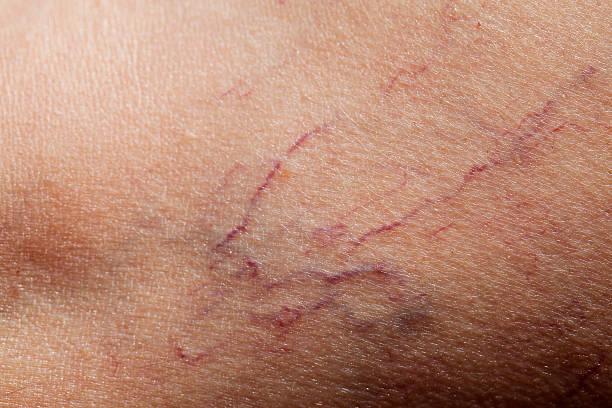
Laser Spider Veins Treatment in Dubai can be suitable for people with different skin tones, but the same laser settings and approach are not appropriate for everyone. Skin pigmentation, vessel depth, treatment location, and the type of vascular laser all influence safety. People with darker skin tones may require particular care because melanin can absorb some laser wavelengths and increase the risk of unwanted pigmentation changes.
A proper assessment helps determine whether laser therapy is appropriate, which device characteristics may be suitable, and whether another treatment method would offer a better balance of benefits and risks.
How Skin Tone Affects Spider Veins Treatment in Dubai
Laser devices work by delivering light energy that is absorbed by a specific target. In vascular treatment, haemoglobin inside the blood vessel is an important target, but melanin in the surrounding skin can also absorb energy.
The Role of Melanin in Laser Absorption
Melanin gives skin its natural colour and can compete with blood vessels for laser energy absorption. When the skin contains more melanin, some wavelengths may create a greater risk of heating the surrounding tissue.
Possible complications include:
-
Temporary darkening of the treated skin.
-
Light patches caused by reduced pigmentation.
-
Prolonged redness or irritation.
-
Blistering or burns.
-
Scarring in more serious cases.
The level of risk depends on the device, wavelength, energy settings, skin condition, and treatment technique.
Why Skin Type Classification Matters
A specialist may use a recognised skin phototype classification system as part of the assessment. This helps estimate how the skin responds to sunlight and informs laser safety considerations.
However, skin phototype alone does not determine treatment suitability. Recent tanning, previous pigment changes, medications, and the condition of the treatment area also matter.
Choosing Laser Technology for Different Skin Tones
Different vascular laser systems use different wavelengths and energy-delivery characteristics. Selecting an appropriate device is important for targeting vessels while managing the risk to surrounding skin.
Wavelength and Target Vessel Selection
The wavelength influences how deeply light penetrates and which structures absorb it.
For example, pulsed dye lasers are commonly used for selected superficial red vascular lesions. Long-pulsed Nd systems may be considered for certain deeper or larger vessels. The choice depends on the specific vascular concern and the patient's skin characteristics.
No single wavelength is suitable for every vessel or skin tone.
Adjusting Treatment Parameters
A clinician may consider several technical factors:
-
Wavelength and pulse duration.
-
Energy level or fluence.
-
Spot size.
-
Cooling method.
-
Vessel depth and diameter.
-
Skin pigmentation and recent sun exposure.
Appropriate settings help manage risk, but they cannot eliminate all possible side effects.
Special Considerations for Darker Skin
Patients with darker skin may still be candidates for selected vascular laser procedures. However, careful device selection and conservative treatment planning are important.
Managing Pigmentation Risks
Post-inflammatory hyperpigmentation can occur when the skin produces additional pigment after irritation or injury. Hypopigmentation, where areas become lighter, is also possible.
Patients with a history of pigmentation changes should discuss this during consultation. The specialist may recommend a cautious approach or consider another method if laser treatment carries an unsuitable risk.
When a Test Spot May Be Considered
A small test area may sometimes be used to observe how the skin responds before treating a larger region. This can provide additional information about tolerance.
However, a test spot does not guarantee that a full treatment will be free of complications. The clinician should still assess the overall risk and explain the limitations.
Facial and Leg Veins Require Different Assessments
Skin tone is only one part of treatment planning. The location and structure of the vessels are equally important.
Facial Vascular Concerns
Fine facial vessels around the cheeks and nose may be suitable for selected vascular laser treatments. The skin's sensitivity, pigmentation, and proximity to important anatomical structures should be considered.
A clinician should distinguish superficial telangiectasias from other skin conditions that may appear similar.
Leg Spider Veins
Leg spider veins may be more varied in size and depth. Some fine superficial vessels may be considered for laser therapy, while others may be more suitable for sclerotherapy.
When visible veins occur alongside swelling, aching, or prominent varicose veins, an assessment for underlying venous disease may be appropriate.
When Laser Treatment May Need to Be Delayed
Even when a patient is generally suitable for vascular laser treatment, certain temporary conditions may make postponement advisable.
These include:
-
Recent tanning or sunburn.
-
Active skin infection.
-
Open wounds or significant irritation.
-
Inflammation in the intended treatment area.
-
Certain medication-related photosensitivity concerns.
Patients should disclose all relevant medications and skincare products. Prescribed medication should not be stopped without medical advice.
How to Make an Informed Treatment Decision
Before proceeding, patients should understand the expected improvement, possible side effects, and available alternatives.
A consultation should clarify whether laser therapy is appropriate for the vessel type, whether sclerotherapy is a better option, and what precautions are needed for the individual's skin.
Clinic Note: Laser safety depends on more than skin colour. Wavelength, vessel depth, treatment settings, recent sun exposure, and individual skin history all influence the risk profile. A test spot may help in selected cases, but it cannot guarantee a complication-free result.
Frequently Asked Questions
Can people with dark skin have laser spider vein treatment?
Some people with darker skin tones may be suitable for selected vascular lasers. Careful device selection and treatment planning are necessary because pigmentation-related risks can be higher with certain wavelengths.
Does a test patch guarantee safe treatment?
No. A test spot can provide useful information about the skin's response, but it does not eliminate the risk of side effects during a full procedure.
Can tanning affect laser treatment?
Yes. Recent tanning can increase the risk of unwanted skin reactions. Patients should disclose recent sun exposure and follow the specialist's advice about postponement.
Is sclerotherapy safer for every darker skin type?
Not automatically. Sclerotherapy has its own indications and possible complications. The preferred method depends on the vein characteristics, treatment location, and medical assessment.
Discuss Skin-Specific Treatment Planning at Tajmeels Clinic
A suitable .vascular treatment plan should account for both the visible vessels and the patient's skin characteristics. Tajmeels Clinic can help patients discuss laser suitability, possible alternatives, expected results, and safety considerations through an individual assessment.

 English
 Arabic
 French
 Spanish
 Portuguese
 Deutsch
 Turkish
 Italiano
 Russian
 Romaian
 Portuguese (Brazil)
 Greek
