

The Role Facial Structure in Facelift in Dubai Treatment Planning
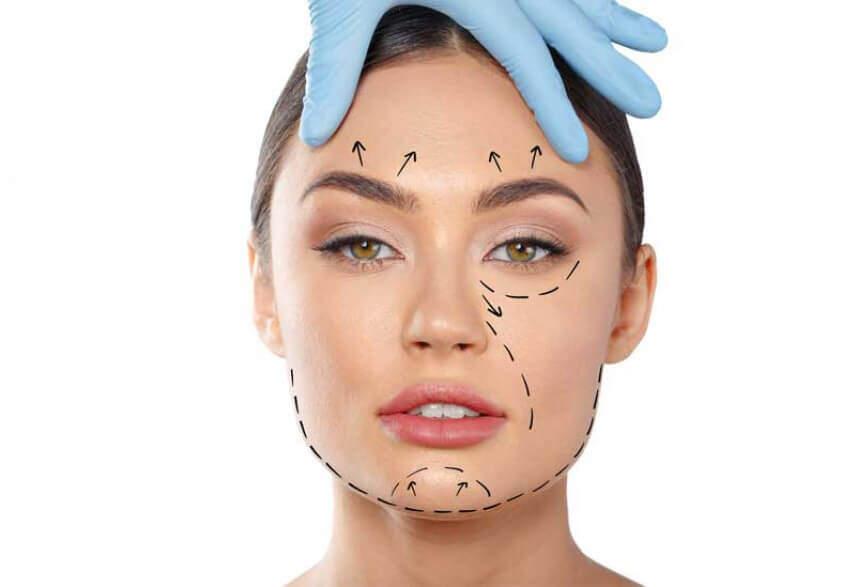
Facial ageing is a natural process that gradually changes skin elasticity, facial volume, muscle support, and overall facial contours. As time passes, individuals may notice sagging cheeks, deeper facial folds, loose skin around the jawline, and changes in the neck area. These changes can influence facial definition and make the face appear older than desired. Modern cosmetic surgery offers personalised solutions to address these concerns and restore a refreshed appearance.
A facelift is a cosmetic surgical procedure designed to improve visible signs of facial ageing by repositioning underlying tissues and removing excess skin. However, achieving balanced and natural-looking results requires more than simply tightening the skin. Facial structure plays an essential role in determining the appropriate surgical technique, treatment areas, and expected outcomes.
For individuals considering Facelift in Dubai, understanding how facial anatomy influences treatment planning can help them make informed decisions. At Hortman Clinics, personalised consultations focus on evaluating individual facial characteristics and developing suitable treatment approaches according to aesthetic goals.
Understanding Facial Structure and Its Importance
Facial structure refers to the underlying framework that gives the face its shape and definition. It includes the cheekbones, jawline, chin, facial fat compartments, muscles, and skin.
Every individual has a unique facial structure. Some people naturally have prominent cheekbones and a defined jawline, while others have softer facial contours or a narrower lower face. These anatomical differences influence how ageing develops and which facelift techniques may be appropriate.
For example, individuals with naturally fuller cheeks may experience different changes in facial volume compared with those who have a slimmer facial structure. Similarly, a person with a well-defined jawline may require a different surgical approach from someone experiencing significant lower-face skin laxity.
When planning Facelift in Dubai, understanding these differences helps the surgeon develop a treatment plan that complements natural facial proportions.
How Facial Ageing Influences Facelift Planning
Facial ageing involves several changes that occur simultaneously. Skin gradually loses elasticity, collagen production decreases, and the underlying support structures may become less defined.
These changes can appear differently across various facial regions.
The cheeks may lose volume and descend, creating deeper folds around the nose and mouth. The jawline may become less defined because of skin laxity and changes in underlying tissues. The neck may also develop loose skin and reduced contour definition.
A successful facelift treatment plan considers where these changes are most noticeable rather than applying the same technique to every patient.
At Hortman Clinics, facial assessment helps identify the areas requiring attention and determine an approach that supports balanced facial rejuvenation.
The Role of Cheek Structure in Facelift Treatment
Cheek structure plays an important role in facial appearance because the cheekbones and surrounding soft tissues contribute to midface volume and definition.
As ageing progresses, the supporting tissues in the cheeks may descend, creating a tired appearance and contributing to deeper nasolabial folds.
During facelift planning, the surgeon evaluates cheek position, natural volume, and the relationship between the midface and lower face.
Some individuals may benefit from procedures that reposition descended facial tissues to improve cheek contours. Others may require a combined approach involving additional facial rejuvenation treatments, depending on their anatomy.
For patients exploring Facelift in Dubai, understanding cheek structure is important because improving midface balance can contribute to a more refreshed overall appearance.
Jawline Definition and Lower-Face Anatomy
The jawline is one of the most important features considered during facelift planning. A clearly defined jawline contributes to facial symmetry and gives the lower face a more structured appearance.
Ageing can cause loose skin and tissue changes around the jawline, resulting in jowls and reduced facial definition.
A facelift may help improve these concerns by repositioning underlying tissues and removing excess skin. The surgical technique depends on the degree of skin laxity, facial proportions, and individual aesthetic preferences.
The relationship between the chin, jawline, and neck is also considered during treatment planning. A balanced approach helps maintain natural transitions between facial areas.
At Hortman Clinics, evaluating lower-face anatomy helps determine the most appropriate approach for patients seeking improved jawline definition.
How Skin Quality and Facial Fat Distribution Affect Results
Skin quality is another important consideration when planning a facelift. Factors such as skin thickness, elasticity, texture, and existing volume influence the surgical approach and expected results.
Individuals with good skin elasticity may have different treatment requirements compared with those experiencing significant skin laxity.
Facial fat distribution also contributes to overall appearance. Some people naturally have fuller cheeks, while others have less soft-tissue volume. Age-related volume changes can influence facial contours and make certain areas appear hollow or less defined.
A facelift primarily addresses sagging tissues and excess skin. It does not automatically restore all lost facial volume. Therefore, selected patients may discuss additional procedures to achieve more balanced rejuvenation.
Understanding these factors helps create a personalised plan for Facelift in Dubai rather than relying on a standard surgical approach.
Different Facelift Techniques and Their Applications
Different facelift techniques are available depending on facial anatomy, ageing patterns, and treatment goals.
Mini Facelift: A mini facelift generally focuses on mild to moderate signs of ageing, particularly around the lower face and jawline. It may be suitable for individuals seeking a more limited surgical approach.
Traditional Facelift: A traditional facelift addresses more noticeable ageing changes involving the cheeks, lower face, and jawline. It involves repositioning underlying tissues and removing excess skin to improve facial contours.
Deep Plane Facelift: This technique focuses on repositioning deeper facial tissues and supporting structures rather than relying primarily on skin tightening. It may be considered for selected individuals seeking comprehensive facial rejuvenation.
Neck Lift Combination: Some patients may benefit from combining facelift surgery with neck contouring to improve the transition between the jawline and neck.
The appropriate technique depends on individual facial structure and the surgeon's professional assessment.
Why Personalised Treatment Planning Matters
No two faces age in exactly the same way. This is why personalised assessment is essential when considering facial rejuvenation surgery.
During consultation, the surgeon evaluates facial proportions, skin elasticity, tissue position, jawline definition, cheek volume, and overall facial symmetry.
The patient's expectations are also discussed to understand whether the main concern involves sagging cheeks, jowls, loose skin, or changes around the neck.
This information helps determine which facelift technique may provide the most appropriate outcome.
At Hortman Clinics, treatment planning focuses on individual facial anatomy and aesthetic preferences, helping patients understand their options before deciding on surgery.
Understanding Facelift Cost in Dubai
The Facelift cost in Dubai varies according to several factors, including the surgical technique, complexity of the procedure, surgeon's expertise, and individual treatment requirements.
Some important factors influencing the overall price include:
- The type of facelift procedure selected.
- The degree of facial ageing and skin laxity.
- Whether cheek or neck rejuvenation is included.
- The surgeon's experience and professional fees.
- Anaesthesia and hospital facilities.
- Postoperative appointments and aftercare.
For example, a mini facelift may involve different surgical requirements compared with a traditional or deep plane facelift.
Patients researching the Facelift cost in Dubai should request a personalised quotation that clearly explains the recommended procedure and associated services.
At Hortman Clinics, patients can discuss their aesthetic goals and receive information about suitable facelift options and treatment pricing during consultation.
Understanding the Facelift cost in Dubai allows individuals to plan their treatment according to their expectations and budget.
How to Choose the Best Facelift in Dubai
Choosing an appropriate surgeon and treatment approach is an important part of facial rejuvenation.
When researching the Best Facelift in Dubai, patients should consider the plastic surgeon's qualifications, experience in facial anatomy, expertise in facelift techniques, and ability to create personalised surgical plans.
It is also important to understand how the proposed procedure will address individual concerns. A treatment plan should consider natural facial proportions rather than focusing exclusively on removing excess skin.
Patients may also review relevant before-and-after photographs and discuss realistic expectations during consultation.
The Best Facelift in Dubai is ultimately an approach that matches the patient's facial anatomy, aesthetic preferences, and professional surgical recommendations.
At Hortman Clinics, personalised consultations help patients explore suitable facelift techniques and understand how facial structure influences treatment decisions.
Why Consider Hortman Clinics for Facelift Treatment?
Choosing the right clinic is an important step when considering facial rejuvenation surgery. Patients should look for qualified plastic surgery professionals, individualised treatment planning, and clear communication throughout the consultation process.
Hortman Clinics offers personalised aesthetic consultations in Dubai, helping individuals understand their facial ageing concerns and explore appropriate treatment options.
The treatment approach focuses on evaluating facial structure, skin quality, cheek position, and jawline definition to develop a plan that complements natural features.
Whether you are interested in improving lower-face contours, addressing sagging cheeks, or achieving a more defined jawline, professional assessment helps establish realistic treatment goals.
Conclusion
Facial structure plays a fundamental role in facelift treatment planning because every individual has different anatomical characteristics, ageing patterns, and aesthetic requirements. Cheekbone position, jawline definition, skin elasticity, facial fat distribution, and underlying tissue support all influence the selection of an appropriate surgical technique.
For individuals considering Facelift in Dubai, understanding these factors can help them appreciate why personalised treatment planning is essential for balanced and natural-looking facial rejuvenation.
Whether you are researching the Facelift cost in Dubai or comparing options for the Best Facelift in Dubai, professional guidance can help you make an informed decision.
At Hortman Clinics, personalised consultations focus on understanding individual facial anatomy and exploring suitable facelift approaches to support refreshed and harmonious facial contours.
FAQs – Frequently Asked Questions
1. Why is facial structure important for Facelift in Dubai treatment planning?
Facial structure determines how ageing affects the cheeks, jawline, neck, and surrounding tissues. Understanding these anatomical features helps the surgeon select an appropriate facelift technique and create a personalised treatment plan.
2. Which facial areas can a facelift improve?
A facelift can address sagging cheeks, loose skin around the jawline, jowls, and certain signs of ageing in the lower face and neck. The areas treated depend on the selected surgical technique and individual anatomy.
3. What factors determine Facelift cost in Dubai?
The Facelift cost in Dubai depends on the surgical technique, complexity, surgeon's expertise, anaesthesia, hospital facilities, and aftercare requirements. A consultation at Hortman Clinics can help patients understand their individual treatment costs.
4. How long do facelift results last?
Facelift results can last for several years, although the natural ageing process continues after surgery. Individual results depend on skin quality, genetics, lifestyle, and the surgical technique used.
5. How can I choose the Best Facelift in Dubai?
Choosing the Best Facelift in Dubai involves considering the surgeon's qualifications, experience, understanding of facial anatomy, and ability to develop personalised treatment plans. Hortman Clinics offers consultations to help patients explore suitable facial rejuvenation options.

 English
 Arabic
 French
 Spanish
 Portuguese
 Deutsch
 Dutch
 Italiano
 Russian
 Romaian
 Portuguese (Brazil)
 Greek
