

Natural Flavors Market Trends: Innovation Shaping the Future of Food Products
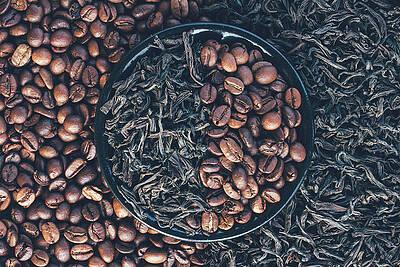
The natural flavors market plays an important role in the modern food and beverage industry by helping manufacturers create appealing products with recognizable flavor profiles. Natural flavors are used to enhance taste, improve product character, and deliver distinctive sensory experiences across different food categories. They can be derived from botanical ingredients, fruits, vegetables, spices, herbs, and other naturally sourced materials. As consumers become more attentive to ingredient choices and product labels, manufacturers are exploring natural flavor solutions that align with evolving expectations. This shift is encouraging food producers to reconsider their ingredient strategies and explore new approaches to flavor development.
An important area of interest is the development of natural food flavoring ingredients, which help manufacturers create distinctive taste experiences while responding to demand for naturally positioned products. These ingredients can be incorporated into beverages, bakery products, confectionery, dairy alternatives, sauces, snacks, and packaged meals. Their versatility allows manufacturers to develop flavors suited to different consumer preferences and product applications. Businesses are also exploring combinations of botanical extracts, fruit-derived ingredients, and spice-based flavor profiles to create products with recognizable and appealing characteristics.
Changing Consumer Preferences
Consumer preferences are influencing the direction of the natural flavors market. Many shoppers pay attention to ingredient lists and seek products that reflect their expectations regarding quality, transparency, and food composition. This has encouraged manufacturers to examine the ingredients used in their formulations and consider alternatives that support their product positioning.
The interest in recognizable ingredients is particularly relevant in packaged food and beverage categories. Consumers may prefer products featuring familiar flavor sources such as citrus, berries, vanilla, herbs, and spices. These ingredients can communicate a sense of familiarity and contribute to the overall appeal of a product.
Taste remains an essential purchasing consideration. Even when consumers are interested in naturally positioned ingredients, they still expect products to deliver enjoyable and consistent flavors. Manufacturers must therefore balance ingredient selection with sensory performance. A natural flavor solution must work effectively within the product formulation without compromising the intended taste experience.
Applications Across Food and Beverages
Natural flavors are used across a broad range of food and beverage applications. In beverages, they can provide fruit, botanical, citrus, herbal, and other distinctive taste profiles. Manufacturers use them in juices, flavored water, ready-to-drink beverages, functional drinks, and specialty refreshments.
In bakery products, natural flavors can enhance the character of cakes, biscuits, pastries, breads, and dessert preparations. Vanilla, citrus, fruit, and spice notes are commonly explored to create different sensory experiences. Confectionery manufacturers also use natural flavors to develop appealing profiles for candies, chocolates, chewing products, and other sweet treats.
Dairy products and dairy alternatives represent another important application area. Natural flavors can contribute to the taste of flavored milk, yogurt, frozen desserts, plant-based beverages, and other products. Their use helps manufacturers create product variations that appeal to different customer groups.
Savory food applications also offer opportunities. Natural herbs, spices, vegetable-derived flavors, and other ingredients can enhance sauces, seasonings, soups, snacks, and prepared meals. These applications demonstrate the flexibility of natural flavors across different food categories.
Innovation in Flavor Development
Innovation is a major factor shaping the natural flavors market. Manufacturers are exploring new ingredient combinations, extraction approaches, and formulation techniques to create distinctive flavor experiences. Product development teams often evaluate how individual ingredients behave within different food and beverage systems.
Flavor combinations can help brands establish a recognizable identity. Citrus and herbal combinations, fruit and spice profiles, and botanical-inspired blends can create products that stand apart from conventional offerings. Seasonal and regionally inspired flavors can also help manufacturers introduce products that reflect particular culinary preferences.
Consistency is another important consideration. Natural ingredients can have different sensory characteristics depending on their origin, processing, and handling. Flavor developers must therefore work carefully to achieve a consistent taste experience across production batches.
Clean-Label Positioning and Ingredient Transparency
Clean-label expectations have encouraged manufacturers to examine how they communicate ingredient information. Consumers may prefer labels that are understandable and do not contain unfamiliar terminology. Natural flavor ingredients can support product positioning when their sourcing and formulation are aligned with the brand's overall approach.
However, businesses must consider more than marketing language. They need to ensure that ingredient descriptions are accurate and that products meet applicable food labeling requirements. Transparent communication can help build trust and provide consumers with a clearer understanding of what they are purchasing.
Challenges Facing Manufacturers
Despite its opportunities, the natural flavors market faces several challenges. Sourcing suitable raw materials can be complex because natural ingredients may be influenced by agricultural conditions, availability, and processing requirements. Manufacturers must also consider the stability of flavor ingredients during production, storage, and distribution.
Cost management is another consideration. Developing natural flavor formulations may require specialized sourcing, processing, and quality-control procedures. Businesses need to balance product performance, ingredient suitability, and manufacturing requirements.
Future Opportunities in the Natural Flavors Market
The natural flavors market is positioned to benefit from continued innovation in food and beverage development. Companies can explore new botanical sources, fruit-based flavor profiles, and ingredient combinations that respond to changing consumer preferences.
The industry's future will depend on its ability to deliver appealing taste experiences while maintaining ingredient quality, formulation consistency, and transparent communication. Manufacturers that understand these priorities can develop natural flavor solutions for a wide range of applications.
FAQs
Q1. What are natural flavors used for?
Natural flavors are used to enhance or create taste profiles in beverages, bakery products, confectionery, dairy products, snacks, sauces, and prepared foods.
Q2. What is influencing demand for natural flavors?
Consumer interest in recognizable ingredients, clean-label positioning, product innovation, and diverse flavor experiences is influencing demand.

 Arabic
 French
 Spanish
 Portuguese
 Deutsch
 Turkish
 Dutch
 Italiano
 Russian
 Romaian
 Portuguese (Brazil)
 Greek
