

How Does Thyroid Eye Disease Affect Eyelid Surgery Suitability?
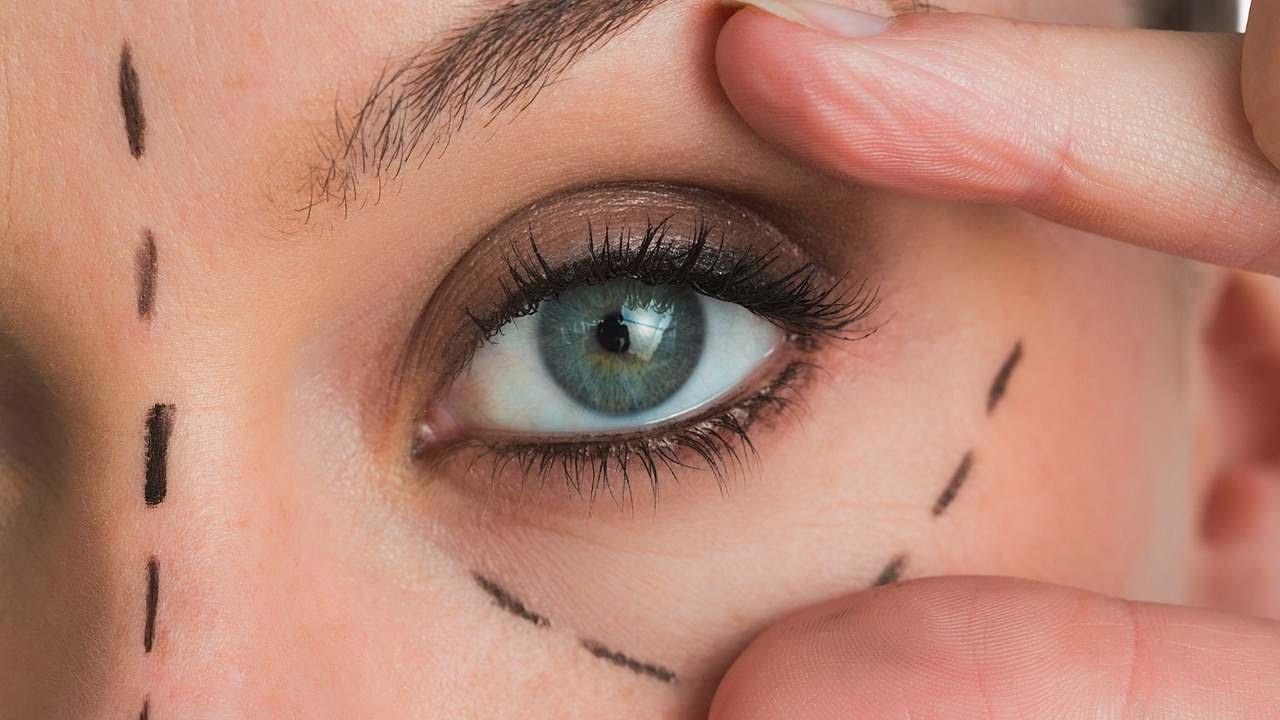
A person may consider eyelid surgery to correct puffiness, prominent eyes, or upper eyelid changes without realising that an underlying thyroid condition could be responsible. Thyroid eye disease can alter the position of the eyelids, increase pressure within the eye socket, and affect the tissues surrounding the eyes. For patients considering Eyelid Surgery in Islamabad, recognising these changes is especially important because the timing and type of surgery may need to be different from a routine cosmetic procedure.
Thyroid eye disease (TED), also known as Graves' orbitopathy, is an autoimmune condition commonly associated with thyroid disorders. It can cause eye bulging, eyelid retraction, swelling, dryness, and double vision. Not everyone with TED is unsuitable for eyelid surgery, but the condition needs careful assessment before any operation is planned.
What Is Thyroid Eye Disease?
Thyroid eye disease occurs when the immune system mistakenly attacks tissues around the eyes. This can cause inflammation and swelling in the muscles and fatty tissues inside the eye socket.
As these tissues become enlarged, the eyes may appear more prominent or pushed forward. The upper eyelids can also retract, creating a wider-than-usual eye opening. Some patients notice puffiness around the eyes, while others experience discomfort or difficulty closing their eyelids completely.
Although TED is commonly associated with Graves' disease, it can also occur in people with other thyroid conditions. In some cases, eye symptoms may develop even when thyroid hormone levels are within the normal range.
Thyroid eye disease affects more than the appearance of the eyes. It can change eyelid function, eye movement, and the protection of the eye's surface.
How Does Thyroid Eye Disease Change Eyelid Appearance?
One noticeable feature of TED is eyelid retraction, where the upper eyelid sits higher than its normal position. This can expose more of the white area above the iris and make the eyes appear unusually wide or staring.
Lower eyelid retraction can also occur, sometimes creating a rounded appearance beneath the iris. Swelling around the eyelids may produce puffiness that resembles ordinary eye bags.
Another concern is incomplete eyelid closure. When the eyes do not close fully, the exposed surface can become dry and irritated, particularly during sleep.
These changes are not necessarily caused by loose skin or ordinary ageing. Removing eyelid tissue without understanding the underlying condition may make existing problems worse.
Can Patients With Thyroid Eye Disease Undergo Eyelid Surgery?
Yes, selected patients can undergo eyelid surgery, but the condition's activity and stability matter considerably. Surgery for residual eyelid changes is generally considered when the disease has become inactive and the patient's thyroid function is adequately controlled.
During the active phase, inflammation and swelling can continue to change the position of the eyes and eyelids. Operating during this period may produce unpredictable results because the tissues can change again after surgery.
In contrast, patients with stable disease may still have noticeable eyelid retraction, excess fat, or other structural changes that remain after inflammation settles.
Having thyroid eye disease does not automatically rule out surgery, but it changes how suitability is assessed.
Why Is the Active Phase a Concern?
The active phase is the period when inflammation and symptoms are progressing. Patients may notice increasing swelling, redness, eye discomfort, bulging, or changes in eyelid position.
Planning cosmetic eyelid surgery during this stage is generally not recommended. The surgeon cannot reliably predict the final eyelid position while the surrounding tissues are still changing.
Treatment during active TED usually focuses on controlling inflammation, protecting the eye surface, and preventing complications. Depending on severity, medical treatment may involve specialist-directed medication or other therapies.
There are exceptions when the disease threatens vision or causes severe exposure problems. These situations may require urgent specialist treatment, including surgery, but this is different from elective cosmetic blepharoplasty.
The priority during active disease is protecting eyesight and controlling inflammation, not cosmetic improvement.
What Does Inactive Thyroid Eye Disease Mean?
Inactive TED means that the inflammatory process has settled and the eye condition has remained clinically stable. Symptoms and measurements are no longer changing significantly.
For elective rehabilitative surgery, specialists generally look for sustained stability, often for at least six months, alongside controlled thyroid function. The exact timing depends on the patient's condition and the procedure being considered.
It is important to understand that normal thyroid blood test results do not automatically mean the eye disease is inactive. The condition of the eye tissues must be assessed separately.
Stable thyroid hormone levels and stable eye disease are both important when planning elective correction.
What Should Be Checked Before Eyelid Surgery in Islamabad?
A routine cosmetic consultation may not be enough for someone with a history of thyroid eye disease. The surgeon needs to understand the condition of the eye socket, eyelid position, eye movement, and surface protection.
Before recommending Eyelid Surgery in Islamabad, the assessment may include:
-
Thyroid status: Reviewing thyroid function tests and the patient's history of thyroid treatment.
-
Disease activity: Checking whether redness, swelling, pain, or other inflammatory changes are still progressing.
-
Eye prominence: Measuring how far the eyes project forward from their normal position.
-
Eyelid position: Evaluating upper and lower eyelid retraction and whether the eyes close completely.
-
Eye movement: Checking for restricted movement, double vision, or muscle involvement.
-
Corneal health: Examining the eye surface for dryness, irritation, or exposure-related damage.
-
Previous treatment: Reviewing medications, orbital procedures, and any previous eyelid surgery.
These findings help determine whether surgery is appropriate and whether additional treatment should come first.
Which Eyelid Procedures May Be Considered?
The appropriate procedure depends on the changes left behind by thyroid eye disease. Some patients have upper eyelid retraction, while others have lower eyelid pulling, prominent fat, or incomplete eyelid closure.
Upper eyelid retraction surgery may involve carefully adjusting the muscles and tissues that hold the eyelid too high. Lower eyelid correction may require repositioning the eyelid or using additional tissue support to improve its position.
Blepharoplasty may also be considered for selected patients with persistent fat prominence or excess skin. However, aggressive fat removal is approached cautiously because TED patients may already have changes in orbital volume and tissue support.
The objective is to restore a comfortable eyelid position and protect the eye, not simply remove visible puffiness.
Why Is the Order of Surgery Important?
Some patients with moderate or severe thyroid eye disease need more than one surgical procedure. In these cases, the order of treatment can influence the final eyelid result.
Specialists generally follow a staged approach when rehabilitative surgery is required. Orbital decompression is usually considered first when indicated, followed by eye muscle surgery for persistent double vision, and eyelid correction afterwards.
This sequence matters because orbital decompression can change the position of the eye, which may also affect eyelid alignment. Correcting the eyelids too early could mean that further adjustments are needed later.
Not every patient requires all three procedures. The treatment plan is based on individual findings rather than a fixed surgical package.
What Are the Risks of Eyelid Surgery With Thyroid Eye Disease?
TED patients may already have dry eyes, corneal exposure, or difficulty closing their eyelids. Additional surgery must therefore be planned carefully to avoid increasing these problems.
Potential complications include incomplete eyelid closure, worsening dryness, irritation, asymmetry, scarring, and an unsatisfactory eyelid position. The risks depend on disease severity, previous treatment, and the type of correction performed.
Patients should also understand that surgery cannot stop thyroid eye disease from progressing if it is still active.
Protecting the eye surface and maintaining normal eyelid function are essential parts of surgical planning.
Choosing the Right Specialist
Thyroid eye disease involves both the thyroid system and the delicate structures surrounding the eyes. Patients should ideally be assessed by an ophthalmologist experienced in thyroid eye disease, with surgical planning involving an appropriately qualified orbital or oculoplastic surgeon where necessary.
Before proceeding, discuss whether the disease is inactive, whether thyroid levels are controlled, and whether orbital or eye muscle treatment is needed first. A clear explanation of expected improvements and potential limitations is important.
Final Thoughts
Thyroid eye disease can significantly influence whether someone is suitable for eyelid surgery. Patients with active inflammation generally need medical management first, while carefully selected individuals with stable disease may benefit from corrective procedures for eyelid retraction, fat prominence, or exposure-related problems. A thorough eye examination is essential before making a surgical decision.
For patients considering Eyelid Surgery in Islamabad, Dynamic Clinic PK offers personalised guidance focused on eyelid anatomy, patient safety, and individual treatment goals. Its expertise, board-certified surgeons, and advanced surgical techniques help patients explore suitable eyelid correction options while giving appropriate attention to underlying eye conditions.

 English
 Arabic
 French
 Spanish
 Portuguese
 Deutsch
 Turkish
 Italiano
 Russian
 Romaian
 Portuguese (Brazil)
 Greek
