

Hair Loss Treatment Options for Managing Progressive Hair Thinning
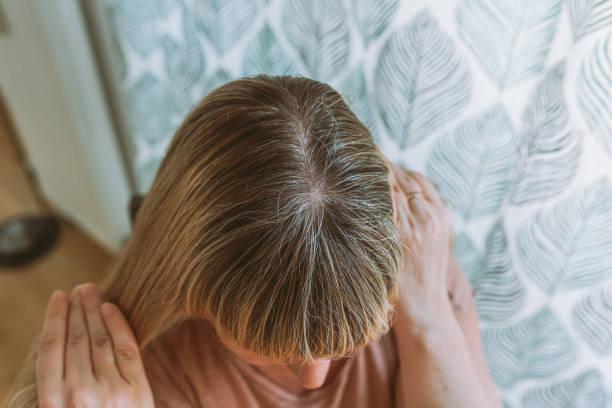
Progressive hair thinning often develops gradually, making changes in hair density and scalp coverage more noticeable over time. It may begin with a widening part, a receding hairline, or reduced thickness around the crown. Genetics, hormonal influences, age, nutritional deficiencies, and certain medical conditions can contribute to this concern. Exploring Hair loss treatment in Riyadh can help individuals understand the possible causes and identify suitable options for managing ongoing hair thinning.
Unlike temporary shedding, progressive hair loss may continue if the underlying cause is not addressed. Some follicles gradually produce finer, shorter strands, while other conditions can disrupt the normal hair growth cycle. Early assessment can help distinguish between different forms of hair loss and guide treatment decisions. A personalized approach to Hair loss treatment in Riyadh considers the pattern of thinning, scalp health, medical history, and individual expectations.
Common Causes of Ongoing Hair Thinning
Genetic Hair Loss
Androgenetic alopecia is a common form of progressive hair loss that affects both men and women. It is associated with genetic factors and sensitivity to certain hormones. Men may notice a receding hairline or thinning crown, while women may experience reduced density around the top of the scalp.
Hormonal Changes
Hormonal fluctuations can influence the hair growth cycle. Changes related to pregnancy, menopause, thyroid conditions, or other health concerns may contribute to increased shedding or thinning. Identifying the relevant hormonal factor can help determine whether medical evaluation or treatment is needed.
Nutritional and Lifestyle Factors
Insufficient protein, iron deficiency, restrictive diets, and prolonged stress may contribute to hair shedding. These factors do not explain every case of progressive thinning, but they can affect hair health and should be considered during an assessment. Addressing confirmed deficiencies and maintaining balanced habits may support normal growth.
Treatment Options for Managing Hair Thinning
Clinically Established Medical Treatments
Certain medications may help slow hair loss or support regrowth in people with specific types of hair thinning. The appropriate option depends on the diagnosis, age, medical history, and potential side effects. A healthcare professional can explain the benefits, limitations, and monitoring requirements before treatment begins.
Platelet-Rich Plasma Therapy
Platelet-rich plasma (PRP) is a procedure that uses a concentrated portion of the patient's own blood containing platelets and growth factors. After preparation, it is injected into selected areas of the scalp. PRP may help improve hair density in some individuals with certain forms of hair thinning, although results vary and it is not suitable for every cause.
Hair Transplantation
For people with stable hair loss and sufficient healthy donor hair, transplantation may be an option. The procedure involves moving follicles from a donor area to regions with reduced coverage. A specialist evaluates donor hair quality, the pattern of loss, scalp condition, and future thinning before recommending surgery. Transplantation does not prevent untreated hair loss in other areas.
Treatment of Underlying Scalp Conditions
Inflammation, fungal infections, and other scalp disorders can contribute to shedding or damage. Treating these conditions may be an important part of managing hair concerns. Depending on the diagnosis, care may involve medicated products, topical treatments, or other medical therapies.
Why Early Assessment Can Make a Difference
Recognizing progressive thinning early may provide more opportunities to manage the condition before significant density is lost. During an assessment, a clinician may review the history of hair shedding, family patterns, medication use, lifestyle factors, and scalp symptoms. A scalp examination or laboratory testing may also be recommended when necessary.
The findings help distinguish genetic hair loss from temporary shedding or medical conditions that require different treatment. People considering Hair loss treatment in Riyadh should understand that results are gradual and depend on the cause, chosen approach, and consistency with the treatment plan. Not every method produces regrowth, and some options require ongoing maintenance.
Daily Habits That Support Hair Health
Healthy habits can complement professional treatment and help reduce preventable hair damage. A balanced diet with adequate protein and essential nutrients supports normal hair development. If a deficiency is suspected, testing and professional advice are preferable to taking supplements without a clear need.
Gentle hair care is equally important. Limiting excessive heat styling, avoiding tight hairstyles, and reducing harsh chemical treatments can help protect existing strands. Maintaining a comfortable scalp environment and managing stress may also support overall well-being, although lifestyle changes alone may not stop genetic or medical hair loss.
Book a Hair Assessment at Royal Clinic Saudi
If you are noticing ongoing thinning, reduced hair density, or changes in your hairline, a professional assessment can help clarify the available options. Royal Clinic Saudi offers an opportunity to discuss your concerns and explore suitable hair restoration approaches based on your individual needs. Schedule a consultation to learn more about managing progressive hair thinning.
FAQs:
1. What is the most common cause of progressive hair thinning?
Genetic hair loss is a common cause, although hormonal changes, nutritional deficiencies, and medical conditions can also contribute.
2. Can progressive hair thinning be stopped?
Some forms can be slowed or managed with appropriate treatment, but results depend on the underlying cause.
3. Is PRP suitable for everyone experiencing hair loss?
No. PRP may be considered for selected types of hair thinning after a professional assessment.
4. When should I seek treatment for thinning hair?
Consider an assessment when thinning continues, your hairline changes, or you notice a persistent reduction in hair density.

 Arabic
 French
 Spanish
 Portuguese
 Deutsch
 Turkish
 Dutch
 Italiano
 Russian
 Romaian
 Portuguese (Brazil)
 Greek
