

Rhinoplasty in Islamabad: Understanding Natural-Looking Results
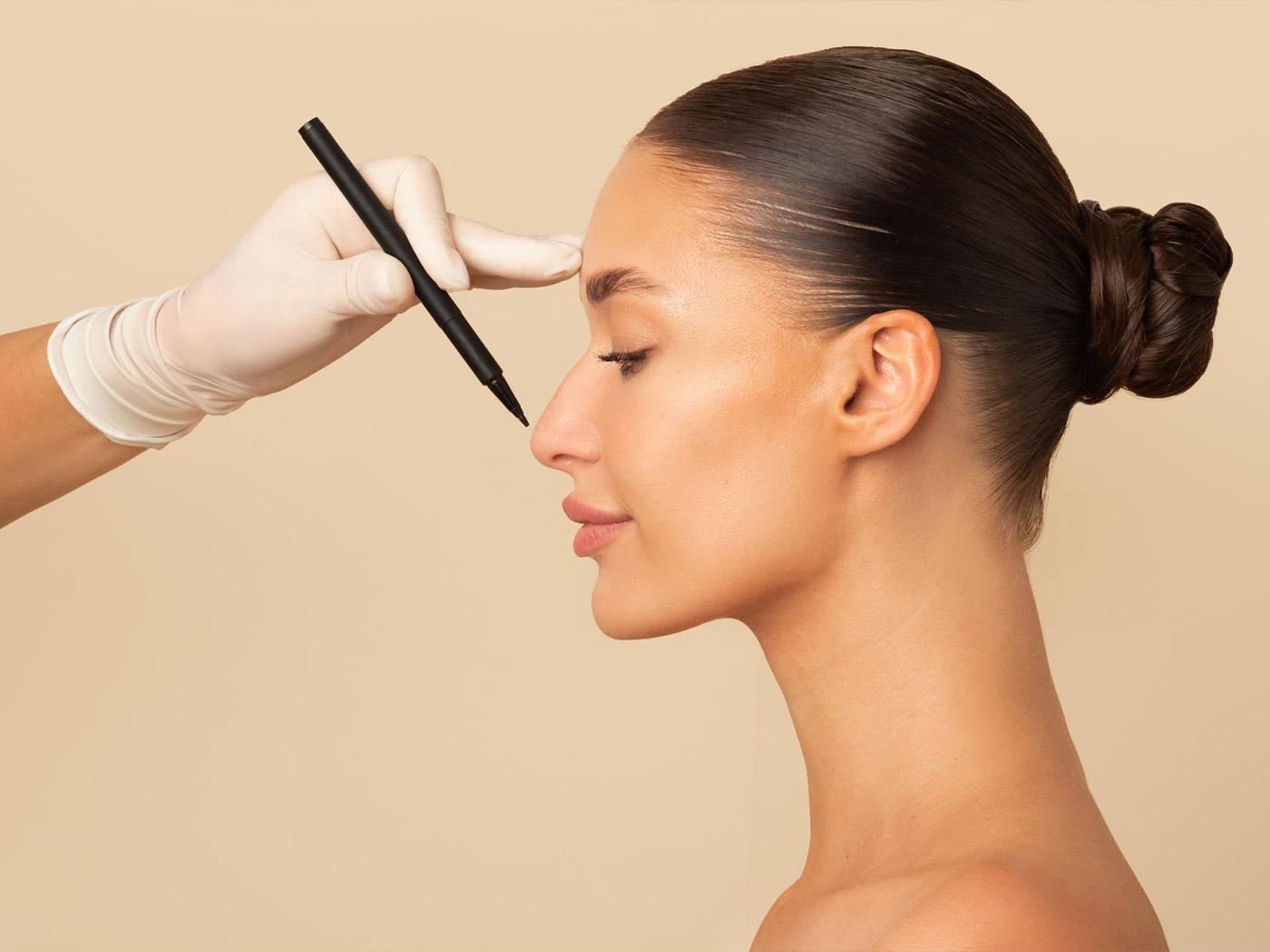
Rhinoplasty is a cosmetic surgical procedure designed to reshape the nose while maintaining balance with other facial features. Many people consider nose surgery to improve their nasal appearance, correct structural concerns, or address breathing difficulties. However, achieving a successful outcome is not simply about creating a smaller or differently shaped nose. The real goal is to achieve natural-looking results that complement the individual's facial structure.
When considering rhinoplasty in Islamabad, patients should understand how surgical planning, facial proportions, skin thickness, and the surgeon's experience influence the final appearance. A carefully planned procedure focuses on enhancing the nose without making it look artificial or disproportionate. Understanding these factors can help individuals make informed decisions before choosing a rhinoplasty surgeon or clinic.
What Makes Rhinoplasty Results Look Natural?
Natural-looking rhinoplasty results maintain harmony between the nose and the surrounding facial features. Rather than following a particular beauty trend, the surgeon considers the patient's unique anatomy and aesthetic preferences.
Several factors contribute to a balanced appearance:
-
Facial proportions: The nose should complement the forehead, cheeks, lips, and chin.
-
Nasal bridge: The bridge should have a shape that suits the individual's facial profile.
-
Nasal tip: The tip should appear appropriately defined without looking excessively lifted or pointed.
-
Nostril shape: Nostril size and positioning should remain proportionate to the overall nose.
-
Symmetry: Improvements should create a balanced appearance while respecting natural anatomical differences.
A natural result does not necessarily mean a perfectly symmetrical nose. Minor differences are normal, and realistic surgical planning takes these variations into account.
How Facial Structure Influences Rhinoplasty Results
Every individual has different facial characteristics, which means the same nose shape may not suit everyone. A personalised approach is essential when planning rhinoplasty.
During the consultation, the surgeon may evaluate:
-
Face shape: Round, oval, square, and long faces have different aesthetic proportions.
-
Skin thickness: Thick nasal skin may influence tip definition, while thinner skin can make small irregularities more noticeable.
-
Nasal bone structure: The width, length, and shape of the nasal bones affect surgical planning.
-
Cartilage support: Nasal cartilage helps maintain the shape and stability of the nose.
-
Chin and profile balance: The relationship between the nose and chin can influence how prominent the nose appears.
Considering these characteristics helps the surgeon develop a treatment plan that supports facial harmony rather than copying another person's nose.
The Importance of Personalised Surgical Planning
A successful rhinoplasty procedure begins with a detailed assessment. Patients should have an opportunity to discuss their concerns, expectations, and desired changes before making a surgical decision.
A personalised surgical plan may involve the following steps:
Initial Consultation
The surgeon discusses the patient's goals, medical history, previous nasal procedures, and any breathing concerns. This conversation helps establish whether rhinoplasty is an appropriate option.
Nasal Examination
The nose is assessed externally and internally to understand its structure, skin characteristics, cartilage support, and possible functional concerns.
Treatment Planning
The surgeon identifies which changes may be suitable based on the patient's anatomy. Digital photographs or simulations may help explain potential changes, although they cannot guarantee the final outcome.
Surgical Approach
Depending on the patient's requirements, the surgeon may recommend an open or closed rhinoplasty technique.
-
Open rhinoplasty involves a small incision between the nostrils, allowing greater visibility of the nasal structures.
-
Closed rhinoplasty involves incisions inside the nostrils, leaving no external incision.
The appropriate technique depends on the complexity of the procedure and the surgeon's assessment.
Factors That Affect Natural-Looking Rhinoplasty Outcomes
Although surgical technique plays an important role, several additional factors influence the final appearance.
Surgeon's Experience and Expertise
A qualified and experienced surgeon understands nasal anatomy, facial proportions, and functional considerations. Patients should review professional qualifications, relevant surgical experience, and examples of previous results.
Realistic Expectations
Rhinoplasty can improve specific nasal features, but it cannot completely transform someone's facial identity. Discussing achievable outcomes helps patients develop realistic expectations.
Healing and Recovery
Swelling is a normal part of recovery. The nose gradually settles into its new shape, and subtle changes may continue for several months or longer.
Skin Type and Nasal Anatomy
Patients with thicker skin may experience slower definition around the nasal tip. Existing cartilage and bone structure can also influence the surgical possibilities.
What to Expect During Rhinoplasty Recovery
Recovery is an important part of the overall rhinoplasty experience. Patients should follow their surgeon's instructions carefully to support proper healing.
General recovery expectations include:
-
First few days: Swelling, bruising, and nasal congestion may occur.
-
First week: A nasal splint may be used to support the nose, depending on the surgical technique.
-
Following weeks: Bruising and noticeable swelling generally begin to improve.
-
Several months: The nasal shape becomes more defined as swelling gradually decreases.
-
Up to one year or longer: Final refinement may continue, particularly around the nasal tip.
Patients should avoid strenuous activities, protect the nose from accidental impact, and attend scheduled follow-up appointments.
Choosing the Right Clinic for Rhinoplasty in Islamabad
Selecting a suitable clinic is an important decision because rhinoplasty requires both aesthetic understanding and surgical expertise. Patients should look beyond promotional photographs and consider the qualifications of the operating surgeon, safety standards, consultation process, and postoperative support.
When comparing clinics, consider:
-
Whether the surgeon has recognised qualifications in plastic or relevant nasal surgery.
-
Whether the clinic explains potential risks and limitations.
-
Whether individual facial anatomy is considered during treatment planning.
-
Whether appropriate surgical facilities and anaesthesia support are available.
-
Whether follow-up appointments and recovery guidance are provided.
SKN Cosmetics in Islamabad is one clinic patients can consider when exploring cosmetic treatment options. Before proceeding with rhinoplasty, individuals should arrange a consultation to understand the available surgical approach, discuss their expectations, and confirm the operating surgeon's qualifications and experience. Reviewing treatment details and understanding the recovery process can help patients make a more informed decision.
Common Mistakes to Avoid Before Rhinoplasty
Patients sometimes focus entirely on the expected appearance without considering the medical and practical aspects of surgery.
Avoid these common mistakes:
-
Choosing a surgeon based only on low treatment prices.
-
Expecting an exact copy of a celebrity's nose.
-
Ignoring breathing problems or existing nasal conditions.
-
Comparing results without considering differences in facial anatomy.
-
Overlooking recovery instructions and follow-up appointments.
-
Assuming computer-generated images guarantee surgical outcomes.
Making an informed decision requires balancing aesthetic goals with nasal function and overall health.
Why Natural-Looking Results Matter
The purpose of rhinoplasty is not necessarily to make the nose noticeably different. For many patients, the preferred outcome is a subtle improvement that makes the nose look more balanced with the rest of the face.
Natural-looking results can help patients achieve their aesthetic goals while preserving their individual facial characteristics. A personalised approach, realistic expectations, appropriate surgical expertise, and proper aftercare all contribute to the overall treatment experience.
For individuals considering rhinoplasty in Islamabad, understanding these factors is an important first step towards making a confident and informed decision.
Frequently Asked Questions (FAQs)
Q1. What are natural-looking rhinoplasty results?
Results that improve nasal proportions while maintaining facial harmony and individual features.
Q2. How long does rhinoplasty recovery take?
Initial recovery takes a few weeks, while final results may take a year or longer.
Q3. Does rhinoplasty change facial appearance?
Yes. It changes nasal features and may improve overall facial balance.
Q4. Can rhinoplasty improve breathing?
Yes, when medically indicated, rhinoplasty may be combined with functional nasal surgery.
Q5. How do I choose a rhinoplasty clinic in Islamabad?
Check the surgeon's qualifications, experience, surgical facilities, patient care, and follow-up support.

 English
 Arabic
 Spanish
 Portuguese
 Deutsch
 Turkish
 Dutch
 Italiano
 Russian
 Romaian
 Portuguese (Brazil)
 Greek
