

Post-Care Skincare Routine Following Large Pores Treatment in Dubai
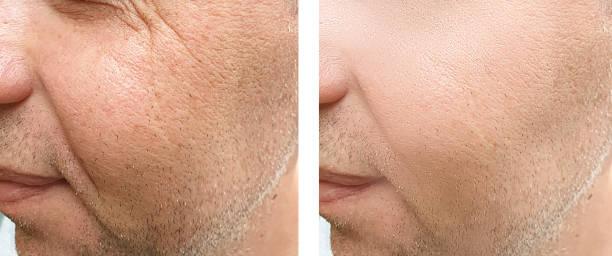
A consistent skincare routine after Large Pores Treatment in Dubai helps support skin recovery, maintain hydration, and protect the improvements achieved through professional care. After treatments such as microneedling, chemical peeling, laser procedures, or deep cleansing, the skin may temporarily become sensitive and require a gentler approach than usual.
Post-treatment care should be based on the procedure performed, the skin's condition, and the advice of the treating specialist. Using too many active products too soon can increase irritation and interfere with recovery.
Why Aftercare Matters After Large Pores Treatment in Dubai
Professional pore treatments work through different mechanisms. Some remove surface buildup, while others encourage skin renewal or collagen activity. Each approach can create temporary changes in the skin barrier.
A suitable aftercare routine can help:
-
Reduce unnecessary irritation during recovery.
-
Maintain balanced skin hydration.
-
Protect the skin from ultraviolet exposure.
-
Limit congestion caused by unsuitable products.
-
Support a more consistent skin texture over time.
Aftercare does not permanently change pore structure, but it can help preserve a smoother-looking complexion.
The First 24 to 48 Hours After Treatment
The initial recovery period is particularly important after procedures that involve exfoliation, controlled skin injury, or laser energy.
Cleanse Gently After Large Pores Treatment in Dubai
Use a mild cleanser recommended by your practitioner. Avoid rough washcloths, cleansing brushes, scrubs, and products that leave the skin feeling tight.
Wash with lukewarm water and pat the face dry using a clean, soft towel. Do not rub or repeatedly touch treated areas.
Apply a Suitable Moisturizer
A lightweight, fragrance-free moisturizer can help reduce dryness and support the skin barrier. The ideal formulation depends on whether the skin is oily, dry, combination, or temporarily irritated.
Avoid introducing several new skincare products during the first few days.
Protect Treated Skin From Sun Exposure
Sun protection is important after exfoliating and energy-based procedures. Use a broad-spectrum sunscreen when your practitioner confirms it is suitable for your recovery stage.
Additional precautions include wearing a hat, seeking shade, and limiting prolonged outdoor exposure.
Products to Avoid During Early Recovery
Some ingredients can increase sensitivity when the skin is recovering. Their use should be paused for the period recommended by the treating specialist.
| Product or ingredient | Reason for caution |
|---|---|
| Retinoids | May increase irritation |
| Strong exfoliating acids | Can aggravate sensitivity |
| Physical scrubs | May cause friction |
| High-strength vitamin C | Some formulations may sting |
| Alcohol-heavy toners | Can contribute to dryness |
| Strong acne treatments | May irritate treated areas |
The appropriate restart time varies according to the treatment and the individual's healing response.
Rebuilding a Long-Term Skincare Routine
Once the skin has recovered, a simple routine can help maintain its appearance. Consistency is generally more useful than frequently changing products.
Morning Routine for Better Skin Texture
A practical morning routine may include:
-
A gentle facial cleanser.
-
A lightweight moisturizer suited to your skin type.
-
Broad-spectrum sunscreen with SPF 30 or higher, when appropriate.
People with oily skin may prefer non-comedogenic, lightweight formulations that do not leave a heavy residue.
Evening Routine for Pore Maintenance
At night, focus on removing sunscreen, makeup, and daily buildup without over-cleansing.
A basic routine can include a gentle cleanser and moisturizer. A dermatologist may later recommend ingredients such as salicylic acid or a retinoid when suitable for the skin and treatment history.
Adjusting Aftercare for Different Skin Types
The same products do not work equally well for everyone. Skin type, sensitivity, and the treatment performed should guide product selection.
Oily and Congestion-Prone Skin
Choose lightweight, non-comedogenic moisturizers and avoid excessive cleansing. Removing too much surface oil can leave the skin irritated without addressing the underlying factors that contribute to visible pores.
Dry or Sensitive Skin
Prioritize barrier support and avoid unnecessary exfoliation. Fragrance-free products with hydrating ingredients may be more comfortable during recovery.
Combination Skin
Use balanced formulations and adjust application according to different facial areas. The cheeks may need more moisture than the forehead or nose.
Habits That Can Affect Treatment Maintenance
Skincare products are only one part of maintaining skin quality. Everyday habits also influence oiliness, irritation, and the appearance of texture.
Helpful habits include:
-
Removing makeup before sleeping.
-
Washing after heavy sweating.
-
Avoiding repeated squeezing or picking.
-
Changing pillowcases regularly.
-
Using clean makeup brushes.
-
Maintaining a consistent sun-protection routine.
-
Avoiding harsh home exfoliation.
These measures support general skin health but cannot eliminate genetically influenced pore characteristics.
Clinic Note
After Large Pores Treatment in Dubai, the correct aftercare routine depends on the procedure performed. Redness, dryness, sensitivity, or mild swelling may occur temporarily. Follow the treating specialist's instructions rather than copying a routine designed for a different procedure. Contact the clinic if symptoms become increasingly painful, severe, or unusual.
Frequently Asked Questions
Can I use makeup after pore treatment?
It depends on the procedure and the skin's recovery. Ask your practitioner when makeup can safely be resumed, particularly after microneedling or laser treatment.
When can I restart exfoliating products?
Wait until the skin has recovered and your specialist approves their use. Restarting acids or retinoids too early may cause irritation.
Is sunscreen necessary after treatment?
Sun protection is an important part of maintaining skin health, especially after procedures that increase temporary sensitivity to sunlight.
Can moisturizer make pores look larger?
A moisturizer does not automatically enlarge pores. A heavy or unsuitable formula may contribute to congestion in some individuals, so product selection matters.
Support Your Results With Consistent Skincare
A suitable home routine helps protect the skin after professional treatment and supports long-term texture management. At Tajmeels Clinic, skin assessments can help determine appropriate treatment options and aftercare recommendations based on individual concerns, skin type, and recovery needs.

 English
 Arabic
 French
 Spanish
 Portuguese
 Deutsch
 Turkish
 Dutch
 Italiano
 Romaian
 Portuguese (Brazil)
 Greek
