

How ERCOT Keeps the Texas Electricity Grid Reliable and Stable
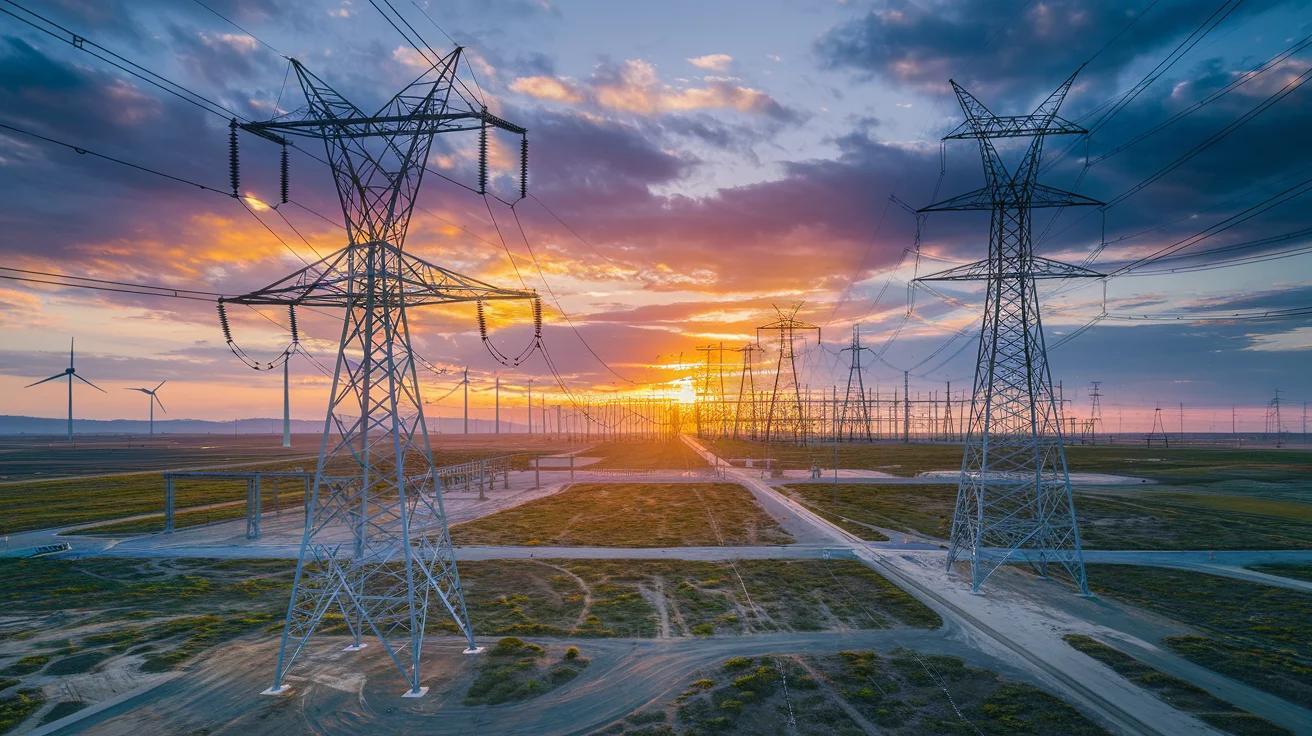
Texas has one of the largest and most dynamic electricity systems in the United States. Its growing population, expanding industries, extreme weather conditions, and increasing adoption of renewable energy are continuously changing how electricity is generated and consumed. Managing these shifting requirements demands careful planning, advanced forecasting, and continuous coordination between power producers and grid operators.
The Electric Reliability Council of Texas (ERCOT) plays a central role in this process. As the independent system operator responsible for managing the flow of electricity across most of Texas, ERCOT works to maintain a reliable balance between electricity generation and consumption. Understanding how the Texas ERCOT energy system operates provides valuable insight into the engineering, market mechanisms, and operational strategies that keep the state's electricity infrastructure functioning.
1. Understanding ERCOT's Role in the Texas Electricity Grid
ERCOT manages the flow of electricity to approximately 90% of Texas's electric load. Its responsibilities include maintaining grid reliability, coordinating wholesale electricity markets, and ensuring open access to the transmission network.
Unlike many other regional power systems, the ERCOT grid operates largely independently from the major synchronous electricity networks in the eastern and western United States. This limited interconnection makes effective internal planning and resource management particularly important.
ERCOT does not generally own the power plants or transmission infrastructure it coordinates. Instead, it works with generators, transmission service providers, distribution utilities, and electricity market participants to maintain reliable system operations.
Its primary responsibility is to ensure that electricity supply continuously matches consumer demand. Even small imbalances can affect grid frequency, potentially creating operational challenges if they are not corrected quickly.
2. Forecasting Electricity Demand and Preparing for Changing Conditions
Accurate electricity demand forecasting is one of ERCOT's most important operational activities. Electricity consumption changes throughout the day, across seasons, and in response to unexpected weather conditions.
For example, Texas summers frequently bring intense heat, increasing the use of residential air conditioning, commercial cooling systems, and industrial equipment. During winter, sudden cold temperatures can also increase heating-related electricity consumption.
ERCOT uses historical consumption patterns, weather forecasts, economic information, and real-time grid data to estimate future electricity requirements. These forecasts help operators determine how much generation capacity and operating reserves may be needed.
Demand forecasting also supports longer-term planning. Population growth, new manufacturing facilities, data centers, electric vehicle adoption, and industrial expansion can significantly increase electricity requirements.
By identifying potential demand growth early, ERCOT and other industry stakeholders can evaluate future generation needs, transmission expansion opportunities, and resource adequacy requirements.
However, forecasting is never completely precise. Unexpected temperature changes, equipment failures, and sudden increases in consumption require operators to continuously update their expectations and respond accordingly.
3. How ERCOT Grid Operations Maintain Real-Time Reliability
One of the most challenging aspects of electricity management is maintaining the balance between supply and demand at every moment.
This is where ERCOT grid operations become especially important. ERCOT continuously monitors electricity generation, transmission conditions, system frequency, and overall demand to identify potential reliability concerns.
The organization uses sophisticated control systems and market processes to coordinate available generating resources. Its Security-Constrained Economic Dispatch (SCED) process evaluates generation offers and selects an economical combination of online resources while considering transmission limitations and other reliability requirements.
The real-time electricity market generally updates dispatch decisions every five minutes. This allows ERCOT to respond to changing operating conditions, including unexpected generator outages, demand fluctuations, and variations in renewable electricity production.
Transmission congestion is another important consideration. Electricity cannot always move freely from one region to another because transmission lines have physical capacity limits. When congestion develops, ERCOT must account for these constraints when determining which generating resources should operate.
Maintaining frequency close to 60 hertz is equally essential. Proper coordination between generation, demand, and available reserves helps protect the electrical system from instability and supports reliable power delivery.
4. Managing Renewable Energy and Electricity Supply Variations
Texas has become a major center for wind and solar electricity generation. These resources provide valuable energy diversity, reduce dependence on conventional generation, and support the transition toward cleaner electricity.
However, renewable generation introduces additional forecasting and operational challenges because wind and solar output depend on environmental conditions.
Solar generation typically increases during daylight hours and decreases after sunset. Wind production can also change significantly depending on weather patterns. These variations require ERCOT to coordinate different generation technologies and maintain sufficient flexible resources.
Battery energy storage systems are becoming increasingly important in this process. Batteries can absorb excess electricity when generation is high and release stored energy when demand increases or renewable production decreases.
Natural gas generators, other dispatchable resources, and demand response programs also contribute to maintaining supply flexibility.
Successful renewable integration requires accurate production forecasts, appropriate transmission infrastructure, and coordinated system planning. These engineering considerations help ensure that increasing renewable capacity supports grid reliability rather than creating additional operational uncertainty.
5. How the Texas Electricity Market Supports Supply and Demand Balance
The Texas electricity market plays an important role in coordinating electricity production, purchasing, and resource availability.
ERCOT operates an energy-only wholesale market with several mechanisms that help market participants manage electricity requirements.
The Day-Ahead Market allows participants to submit bids and offers for electricity and related reliability services for the following operating day. This process helps market participants plan their expected energy needs and manage financial exposure to changing prices.
The Real-Time Market addresses differences between expected and actual system conditions. As demand and generation change, ERCOT adjusts dispatch decisions to maintain the required balance between supply and consumption.
Ancillary Services provide another layer of operational support. These services include resources that can respond to frequency changes, unexpected outages, and other system disturbances.
Demand response is also an important part of market operations. Certain industrial facilities, commercial buildings, and other participating consumers can reduce or modify electricity consumption when the grid experiences high demand or elevated prices.
Scarcity pricing provides additional economic signals when operating reserves become limited. These signals can encourage generators, storage operators, and flexible consumers to respond to changing grid conditions.
Together, these market mechanisms support more efficient resource utilization while helping ERCOT maintain reliable electricity service.
6. Future Challenges and Engineering Opportunities for Grid Reliability
Texas electricity demand is expected to continue evolving as population growth, industrial development, electrification, and large-scale data center projects create additional electricity requirements.
Meeting these needs will require more than simply adding generation capacity. The electricity system must also have sufficient transmission infrastructure, accurate power system models, reliable protection systems, and effective operational planning.
Power system engineering studies are particularly important when evaluating new generation projects, transmission upgrades, renewable energy connections, and changing grid conditions.
Load flow studies help engineers understand power flows and identify potential transmission constraints. Short-circuit studies evaluate fault levels and equipment requirements, while transient stability studies assess how the grid responds to major disturbances.
Dynamic modeling and simulation also help engineers evaluate generator behavior, inverter-based resources, and system response under different operating conditions.
These technical assessments provide valuable information for utilities, developers, and grid planners making long-term infrastructure decisions.
As Texas continues to experience changing electricity demand, collaboration between system operators, engineers, utilities, and energy developers will remain essential.
Conclusion
ERCOT manages Texas's changing electricity demand through a combination of advanced forecasting, continuous grid monitoring, coordinated generation dispatch, wholesale market mechanisms, and demand response strategies.
As renewable energy expands and electricity consumption increases, maintaining reliability will require increasingly sophisticated engineering and operational solutions.
Understanding how ERCOT balances electricity supply and demand highlights the importance of accurate system planning, dependable infrastructure, and effective grid management. With the right technical expertise and forward-looking investment, Texas can continue developing an electricity system capable of supporting its growing energy requirements while maintaining long-term reliability.

 English
 French
 Spanish
 Portuguese
 Deutsch
 Turkish
 Dutch
 Italiano
 Russian
 Romaian
 Portuguese (Brazil)
 Greek
