

What Should You Know Before Booking a Bee Removal Service?
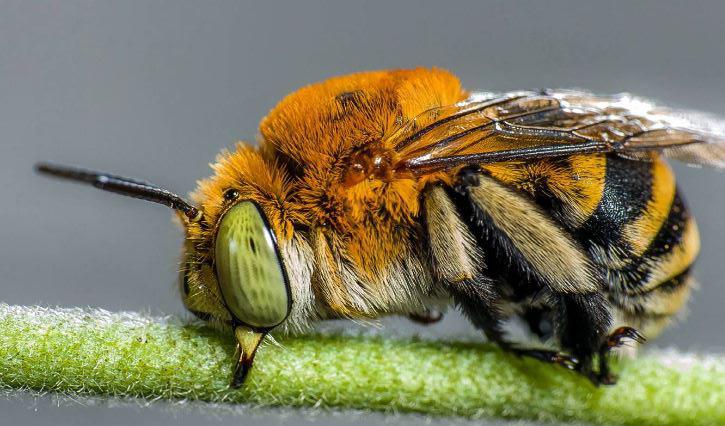
Finding a beehive around your Melbourne property can be concerning, particularly when bees are gathering near entrances, roof spaces, gardens or areas used by children and pets. While bees play an important role in pollination, an established colony in an unsuitable location may require professional attention.
Before booking a bee removal service, it is important to understand what the work involves, how the bees will be identified and whether relocation or another management approach is appropriate. Knowing what to expect can help homeowners make an informed decision and avoid unnecessary disturbance to the colony.
1. Identify Where the Bees Are Located
Before contacting a bee removal professional, try to identify where you have noticed the activity. Bees may gather around flowering plants, form temporary swarms or establish colonies inside building structures.
Common nesting locations include:
-
Roof cavities and ceiling spaces.
-
Wall openings and external cavities.
-
Garden sheds and storage areas.
-
Hollow trees and tree branches.
-
Gaps around eaves and fascia boards.
-
Sheltered spaces around fences and outdoor structures.
Observe the bees from a safe distance and note where they repeatedly enter or leave. This information can help the service provider understand the situation before arranging an inspection.
Do not climb onto the roof, open wall cavities or disturb the suspected nest yourself.
2. Understand the Difference Between a Swarm and an Established Hive
A temporary bee swarm and an established hive require different approaches.
A swarm may appear as a cluster of bees hanging from a tree branch, fence or another outdoor surface. This is a natural part of honeybee colony reproduction, and the bees may move on after a temporary resting period.
An established hive is different because the colony has settled into a nesting location and may have started building honeycomb. Roof cavities, wall spaces and other sheltered areas can provide suitable conditions for a colony to develop.
Understanding the difference helps determine whether the situation requires immediate assistance or further observation.
3. Check Whether the Service Identifies the Bee Species
Correct identification is important before any removal work begins. Not all bees have the same nesting habits, and different species may require different management approaches.
Honeybees commonly establish colonies in enclosed spaces, while some native bees are solitary and nest in soil, timber or small cavities.
For example, homeowners may need information about carpenter bees removal Melbourne when they notice bee activity around wooden structures. Similarly, resin bees removal Melbourne may be relevant when identifying solitary bees that use resin in their nesting behaviour.
A professional should assess the species before recommending removal or relocation. Beneficial native bees should not automatically be treated as pests.
4. Ask Whether Relocation Is Possible
One important question to ask before booking is whether the colony can be relocated.
Bee relocation aims to move a colony or swarm to another suitable location where practical. However, relocation is not always possible. The decision depends on the species, colony condition, nest location and accessibility.
A professional assessment can establish whether relocation is a suitable option or whether another management method is required.
Homeowners should also ask what happens to the bees and any remaining nesting material after the work is completed.
5. Understand What Is Included in the Service
Bee removal may involve more than addressing the visible bees. If a colony has established itself inside a roof or wall cavity, honeycomb and stored honey may remain after the bees have been removed.
Before booking, ask whether the service includes:
-
Identifying the bee species.
-
Locating the nesting area.
-
Assessing the size and accessibility of the colony.
-
Removing or relocating bees where appropriate.
-
Addressing accessible honeycomb and nesting material.
-
Checking for possible entry points.
-
Providing advice about suitable repairs and prevention.
The exact scope of work will depend on the location and condition of the nest. Clarifying these details beforehand helps avoid misunderstandings.
6. Consider Access to the Nesting Location
The location of a hive can significantly affect the work involved.
A swarm hanging from an accessible tree branch may be easier to reach than a colony established deep inside a roof cavity. Wall cavities, ceiling spaces and other enclosed areas may require additional access arrangements.
When contacting a service provider, explain whether the bees are located:
-
Inside the roof or ceiling.
-
Behind an external wall.
-
Near a window or doorway.
-
Around a tree or garden structure.
-
Inside a shed or other enclosed space.
If possible, provide a clear description of the location without approaching or disturbing the bees.
7. Understand the Factors That Affect Bee Removal Costs
The cost of professional bee removal varies depending on the work required. It is useful to understand what influences the price before arranging a service.
Common factors include:
-
Colony size: Larger colonies may require additional time and equipment.
-
Nest location: Roof cavities and wall spaces can be more difficult to access.
-
Accessibility: Special access arrangements may increase the work involved.
-
Honeycomb removal: Remaining wax and stored honey may require additional attention.
-
Cleaning and repairs: Some properties may need further work after the nest has been addressed.
Homeowners can review information about bee control cost Melbourne to understand the factors that may influence service pricing.
It is also helpful to request clarification about what is included in the quoted service and whether additional work may incur extra charges.
8. Arrange an Inspection Before Confirming the Work
An inspection helps establish what is happening and whether removal is necessary.
Professionals can observe bee activity, examine accessible areas and assess possible nesting locations. This is particularly useful when homeowners can see bees entering a roof or wall but cannot locate the colony.
Arranging bees inspection Melbourne can help identify the species, assess the nesting situation and determine the appropriate next step.
An inspection can also help distinguish an active colony from occasional foraging activity or a temporary swarm.
9. Check the Service Area
Before booking, confirm that the service provider covers your suburb and can attend the property.
Bee activity and nesting concerns occur across different Melbourne neighbourhoods. For example, residents looking for bees removal East Melbourne may need assistance with colonies around residential buildings and outdoor structures.
Property owners seeking bees removal Box Hill may require an assessment when bees enter roof spaces or wall cavities.
Similarly, homeowners looking for bees removal Elsternwick should confirm the service availability and explain where the bee activity has been noticed.
Providing the correct property location helps the service provider understand the job and discuss suitable arrangements.
10. Know What to Do While Waiting for Professional Assistance
Once you have arranged an inspection or removal service, avoid disturbing the bees while waiting.
Follow these precautions:
-
Keep children and pets away from the suspected nest.
-
Do not spray insecticides or use smoke.
-
Avoid touching or shaking a swarm.
-
Do not block openings where bees may be entering.
-
Avoid opening walls or roof cavities.
-
Keep a safe distance when observing bee activity.
If someone experiences difficulty breathing, swelling of the tongue or throat, or another sign of a severe allergic reaction after a bee sting, call Triple Zero (000) immediately.
Questions to Ask Before Booking a Bee Removal Service
Before confirming a booking, homeowners may find it useful to ask:
-
Can you identify the type of bee involved?
-
Will an inspection be carried out before removal?
-
Is relocation possible in this situation?
-
Does the service include honeycomb removal?
-
Are there additional charges for difficult access?
-
What should be done to prevent another colony from using the same space?
-
What work is included in the quoted price?
Clear answers can help you understand the process and decide whether the service is suitable for your property.
Make an Informed Decision Before Booking
Booking a bee removal service involves more than finding someone to remove the visible bees. Homeowners should understand the species, nesting location, available management options and work required after the colony has been addressed.
A professional inspection can help determine whether removal or relocation is appropriate and whether additional honeycomb removal or building maintenance is necessary.
By asking the right questions and avoiding DIY disturbance, Melbourne homeowners can address unwanted bee activity while considering the importance of protecting beneficial bee species.

 English
 Arabic
 French
 Portuguese
 Deutsch
 Turkish
 Dutch
 Italiano
 Russian
 Romaian
 Portuguese (Brazil)
 Greek
