

Neck Lift Surgery in Dubai for Visible Neck Bands
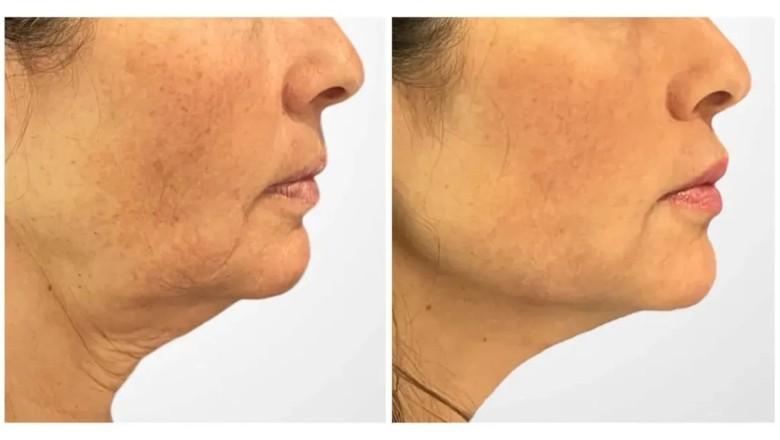
Vertical lines or bands running down the front of the neck can become more noticeable with age. They may appear when speaking, turning the head, or tightening the neck muscles. For some people, these bands create an aged appearance even when the skin around the face remains relatively firm.
Neck Lift Surgery in Dubai may help address prominent neck bands when they are associated with changes in the underlying platysma muscles. The treatment approach depends on whether the bands are caused mainly by muscle separation, skin laxity, or a combination of structural changes.
What Causes Vertical Neck Bands?
The platysma is a broad, thin muscle that extends from the lower face across the front of the neck toward the upper chest. Over time, changes in muscle tone and tissue support can make its edges more visible.
Several factors may contribute to the appearance of neck bands. Natural aging can affect muscle support and skin elasticity. Genetics may also influence when these lines become noticeable. Repeated muscle movement and changes in the surrounding tissues can further affect their appearance.
It is important to distinguish true muscle bands from skin folds or horizontal neck lines because each concern may require a different treatment strategy.
How a Neck Lift Can Address Platysma Bands
When prominent bands are caused by changes in the platysma, surgery may involve adjusting the muscle's position or bringing separated edges closer together. This technique is sometimes described as platysmaplasty.
The surgeon assesses the location and prominence of the bands before deciding whether muscle tightening is appropriate. In some cases, treatment may also involve addressing excess skin or fat beneath the chin to improve the overall neck contour.
The objective is to create a smoother appearance while maintaining natural neck movement and avoiding excessive tension.
What Happens During the Surgical Procedure?
The procedure is planned according to the patient's anatomy and the extent of correction required. Depending on the surgical technique, incisions may be placed beneath the chin, around the ears, or in other suitable locations.
Through these access points, the surgeon can assess and adjust the underlying tissues. If muscle banding is the main concern, the platysma may be tightened or repositioned. When loose skin or localised fat also contributes to the appearance, additional adjustments may be considered.
The specific procedure, anesthesia plan, and expected duration should be discussed during the preoperative consultation.
Who May Benefit From Treatment?
People with clearly visible vertical neck bands, particularly those associated with muscle laxity, may wish to explore surgical correction. Suitability depends on overall health, skin condition, the extent of muscle changes, and personal expectations.
A neck lift may not be necessary for mild lines that appear only during certain movements. Non-surgical options may be discussed when the concern is limited, although these treatments do not provide the same structural correction as surgery.
A proper examination helps determine whether the visible bands originate from the platysma or another part of the neck.
Recovery After Neck Band Correction
Following surgery, temporary swelling, bruising, tightness, and changes in sensation may occur. The neck may feel restricted during the early healing period, especially when turning the head. These effects generally improve gradually.
Patients should follow their individual instructions regarding wound care, sleeping position, activity restrictions, and any recommended compression support. Avoiding strenuous exercise and excessive neck movement during the initial recovery period may help protect the healing tissues.
Unusual pain, increasing swelling, fever, spreading redness, or unexpected wound drainage should be reported promptly to the treating medical team.
Possible Risks and Limitations
Like other surgical procedures, correction of neck bands carries potential risks. These may include bleeding, infection, scarring, fluid accumulation, changes in sensation, asymmetry, delayed healing, and complications related to anesthesia.
Surgery can improve prominent muscle bands, but it cannot stop future aging. The visibility of the bands may change over time as the skin and underlying tissues continue to age. Patients should discuss expected improvements and limitations before proceeding.
Neck Band Surgery Compared With Non-Surgical Treatments
Non-surgical treatments may be considered for selected mild concerns. Depending on the cause, options can include certain injectable treatments or skin-tightening procedures. These approaches have different mechanisms and limitations, and they may not correct significant muscle separation or substantial loose skin.
Surgical treatment is generally considered when structural changes require more direct correction. A qualified professional can explain which options are appropriate after examining the neck and reviewing the patient's goals.
Planning a More Defined Neck Contour
Visible neck bands can have different causes, so treatment should begin with an accurate assessment rather than choosing a procedure based only on appearance. Understanding the role of the platysma, skin elasticity, and surrounding fat helps establish realistic treatment goals.
For individuals considering Neck Lift Surgery in Dubai, a personalised consultation can clarify whether muscle tightening or another approach is suitable. TAJMEELS CLINIC can be part of your research as you explore neck rejuvenation options and consider a treatment plan that supports a natural-looking profile.
For More Details, Contact Us Through:
WhatsApp: +971 56 203 8751
Phone: +971 4 373 9000
Social Media:

 English
 Arabic
 French
 Spanish
 Portuguese
 Turkish
 Dutch
 Italiano
 Russian
 Romaian
 Portuguese (Brazil)
 Greek
