

Female Sexual Dysfunction | Common Causes and Modern Treatment Options for Women
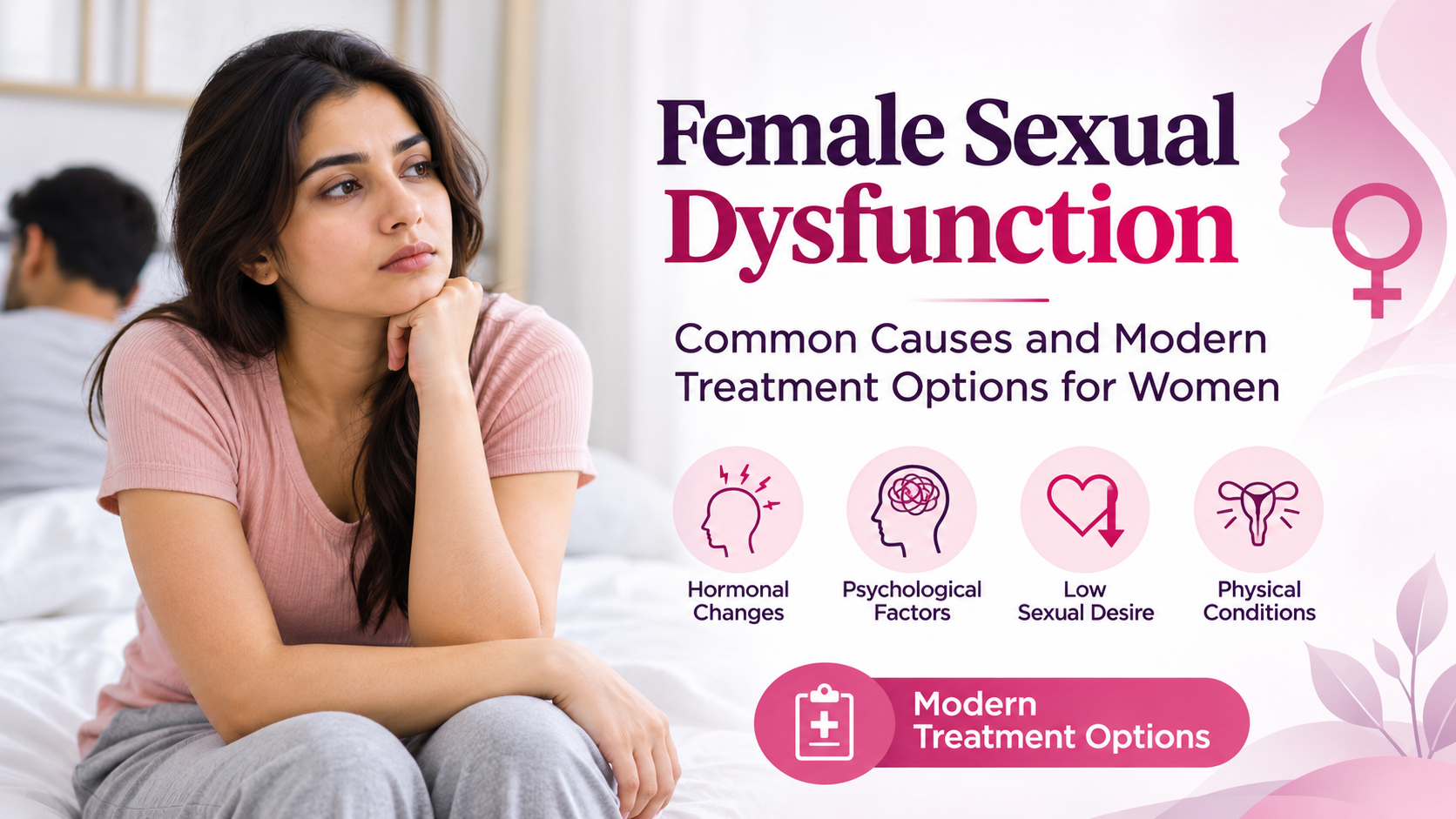
Female sexual dysfunction is a common yet often overlooked women's health concern that can affect physical comfort, emotional well-being, self-confidence, and intimate relationships. Many women experience difficulties related to low sexual desire, reduced arousal, difficulty achieving orgasm, vaginal dryness, or pain during intercourse. However, due to embarrassment, social stigma, or a lack of awareness, many hesitate to discuss these concerns with a healthcare professional.
The good news is that female sexual dysfunction can often be managed with the right diagnosis, medical guidance, and personalised treatment. Understanding the underlying causes is the first step towards improving sexual health and overall quality of life.
Women experiencing persistent sexual difficulties should consider consulting an experienced gynaecologist who can evaluate their symptoms and recommend appropriate treatment options. Swaaya Cosmetic Gynaecology Clinic is a leading destination for women's intimate wellness and specialised gynaecological care, offering personalised guidance for women dealing with different sexual health concerns.
What Is Female Sexual Dysfunction?
Female sexual dysfunction refers to persistent or recurring difficulties that affect a woman's ability to experience sexual desire, arousal, satisfaction, or orgasm. These difficulties may occur at different stages of the sexual response cycle and can be influenced by physical, hormonal, psychological, emotional, and relationship-related factors.
Every woman's sexual experience is different. Some women may experience a reduced interest in sexual activity, while others may struggle with vaginal dryness, discomfort during intimacy, or difficulty reaching orgasm.
Female sexual dysfunction is not necessarily associated with age. It can affect women at different stages of life, including during reproductive years, after childbirth, during perimenopause, and after menopause.
Some common symptoms include:
-
Reduced or absent sexual desire.
-
Difficulty becoming sexually aroused.
-
Vaginal dryness or insufficient lubrication.
-
Pain or discomfort during sexual intercourse.
-
Difficulty achieving orgasm.
-
Anxiety or fear associated with sexual intimacy.
-
Reduced sexual satisfaction.
-
Emotional distress related to intimate relationships.
When these symptoms persist and cause personal distress, a professional medical evaluation can help identify the underlying problem.
Common Causes of Female Sexual Dysfunction
Female sexual health is influenced by several interconnected factors. In many cases, more than one factor contributes to the development of sexual difficulties.
Understanding these causes helps healthcare professionals recommend suitable treatment strategies.
1. Hormonal Changes and Imbalances
Hormones play an important role in female sexual desire, arousal, vaginal lubrication, and overall reproductive health.
Changes in oestrogen, testosterone, and other hormones can influence sexual function. Hormonal fluctuations may occur during pregnancy, breastfeeding, perimenopause, and menopause.
Reduced oestrogen levels, particularly after menopause, may cause vaginal dryness, thinning of vaginal tissues, reduced elasticity, and discomfort during intercourse.
These physical changes can make intimacy uncomfortable and gradually affect sexual desire.
2. Vaginal Dryness and Painful Intercourse
Vaginal dryness is one of the common physical factors contributing to female sexual dysfunction. Insufficient natural lubrication can create friction during intercourse, resulting in irritation, burning sensations, and pain.
Some women may also experience pain due to vaginal infections, pelvic floor muscle dysfunction, endometriosis, vulvodynia, or other gynaecological conditions.
Women experiencing persistent discomfort should seek professional evaluation rather than ignoring the symptoms.
Depending on the underlying cause, painful intercourse treatment in Delhi may involve vaginal moisturisers, lubricants, appropriate hormonal treatments, pelvic floor physiotherapy, or other medical interventions.
3. Low Libido and Reduced Sexual Desire
Low libido refers to a reduced interest in sexual activity. Although sexual desire naturally changes throughout life, a persistent reduction that causes personal distress may require medical attention.
Some common contributing factors include:
-
Hormonal fluctuations.
-
Menopause-related changes.
-
Chronic stress and fatigue.
-
Relationship difficulties.
-
Depression and anxiety.
-
Certain prescription medications.
-
Chronic medical conditions.
-
Physical discomfort during intimacy.
Women experiencing persistent low sexual desire can benefit from a detailed assessment to identify the underlying reasons.
Depending on the diagnosis, low libido treatment women in Delhi may involve addressing hormonal or medical factors, reviewing medications, psychological support, counselling, or other individualised interventions.
4. Psychological and Emotional Factors
Mental and emotional health have a significant influence on female sexual functioning.
Stress, anxiety, depression, past traumatic experiences, low self-esteem, and negative body image can affect sexual interest and arousal.
Performance anxiety and fear of experiencing pain may also create a cycle in which women begin avoiding intimacy, further affecting their confidence and relationships.
Psychological factors should be considered alongside physical health conditions rather than treated as the only possible explanation.
5. Pelvic Floor Dysfunction
The pelvic floor muscles support the bladder, uterus, and other pelvic organs. These muscles also contribute to sexual function and physical comfort during intimacy.
When pelvic floor muscles become excessively tight, weak, or poorly coordinated, women may experience:
-
Pain during penetration.
-
Difficulty with vaginal penetration.
-
Pelvic discomfort.
-
Reduced sexual satisfaction.
-
Urinary leakage.
-
Difficulty relaxing pelvic muscles.
Pelvic floor assessment and specialised physiotherapy may help improve muscle coordination, relaxation, and overall pelvic health.
6. Pregnancy, Childbirth, and Menopause
Pregnancy and childbirth can bring significant physical and hormonal changes. Vaginal delivery, perineal injuries, changes in pelvic floor muscles, and postpartum hormonal fluctuations may influence sexual comfort and desire.
Similarly, menopause can lead to vaginal dryness, reduced elasticity, and changes in sexual response.
These changes are common, but women do not have to accept persistent discomfort as an unavoidable part of ageing or motherhood. Appropriate medical guidance can help manage many of these concerns.
Different Types of Female Sexual Dysfunction
Female sexual difficulties can present in different ways. Identifying the specific type helps determine the most suitable treatment approach.
Female Sexual Interest/Arousal Disorder
This condition involves a persistent reduction in sexual interest, desire, or arousal that causes significant personal distress.
Women may experience reduced interest in intimacy, fewer sexual thoughts, or difficulty becoming aroused even in situations they previously found pleasurable.
Female Orgasmic Disorder
Some women experience persistent difficulty achieving orgasm, reduced orgasm intensity, or a noticeable delay in reaching orgasm despite adequate stimulation.
Physical health, medications, psychological factors, and sexual stimulation patterns may contribute to this condition.
Genito-Pelvic Pain/Penetration Disorder
This condition involves persistent difficulties with vaginal penetration, pelvic or vulvovaginal pain, fear of pain, or involuntary tightening of pelvic floor muscles.
It may affect sexual intimacy as well as gynaecological examinations and tampon use.
Vaginismus
Vaginismus involves involuntary tightening of the muscles around the vagina, which can make penetration difficult, painful, or impossible.
A combination of medical assessment, pelvic floor therapy, relaxation techniques, and appropriately guided treatment may help manage the condition.
Modern Treatment Options for Female Sexual Dysfunction
Treatment for female sexual dysfunction depends on the symptoms, underlying causes, medical history, and individual needs of the woman. There is no single treatment that works for everyone.
Modern treatment approaches focus on improving physical comfort, addressing hormonal or medical concerns, supporting emotional well-being, and restoring confidence in intimate relationships.
1. Comprehensive Gynaecological Assessment
The first step towards effective treatment is identifying the underlying cause of sexual difficulties.
A gynaecologist may recommend:
-
Detailed medical and sexual history.
-
Assessment of menstrual and menopausal status.
-
Evaluation of vaginal health and lubrication.
-
Pelvic floor muscle assessment.
-
Review of existing medical conditions and medications.
-
Psychological and relationship-related assessment, when appropriate.
A physical examination may be recommended depending on the symptoms and should always be performed with the woman's informed consent.
This comprehensive approach helps develop a treatment plan that addresses the actual cause rather than simply managing individual symptoms.
2. Treatment for Vaginal Dryness and Discomfort
Women experiencing vaginal dryness may benefit from appropriate vaginal moisturisers and lubricants.
Depending on the underlying condition, a gynaecologist may also recommend local vaginal oestrogen or other suitable medical treatments.
These interventions can help improve vaginal moisture, reduce friction, and make intimate activities more comfortable.
For women experiencing menopause-related vaginal changes, treatment may also focus on managing genitourinary symptoms associated with declining oestrogen levels.
3. Low Libido Treatment and Sexual Wellness Support
Managing reduced sexual desire requires understanding the physical and emotional factors affecting a woman's sexual response.
Treatment may include:
-
Identifying and addressing hormonal or medical conditions.
-
Reviewing medications that may affect sexual desire.
-
Managing stress, anxiety, and fatigue.
-
Psychosexual counselling.
-
Improving emotional intimacy and communication.
-
Considering appropriate medical therapies after specialist evaluation.
Women seeking low libido treatment women in Delhi should understand that low sexual desire does not always indicate a hormonal problem. It may be associated with psychological health, relationship dynamics, medication side effects, or other medical conditions.
A personalised assessment is therefore essential before selecting treatment.
4. Pelvic Floor Physiotherapy
Pelvic floor physiotherapy can be beneficial for women experiencing painful intercourse, pelvic discomfort, involuntary muscle tightening, or difficulties with vaginal penetration.
Depending on the condition, therapy may include:
-
Pelvic floor relaxation exercises.
-
Diaphragmatic breathing techniques.
-
Muscle coordination exercises.
-
Gentle stretching.
-
Manual therapy when appropriate.
-
Guided desensitisation techniques.
It is important to understand that not every woman needs pelvic floor strengthening exercises. Women with excessively tight pelvic floor muscles may benefit more from relaxation and muscle-release techniques.
5. Psychosexual Therapy and Counselling
Psychosexual therapy focuses on the emotional, psychological, and behavioural factors that influence sexual functioning.
It may be particularly helpful for women experiencing:
-
Anxiety related to sexual activity.
-
Reduced sexual confidence.
-
Fear of penetration or pain.
-
Negative body image.
-
Relationship-related sexual difficulties.
-
Difficulty experiencing sexual pleasure.
Therapeutic approaches may include cognitive behavioural therapy, mindfulness, relaxation exercises, and guided intimacy activities.
Couples may also benefit from improved communication and a better understanding of each other's emotional and physical needs.
6. Hormonal and Medical Management
Hormonal changes and certain medical conditions can influence sexual function.
When clinically appropriate, a gynaecologist may recommend treatment for underlying hormonal or reproductive health concerns.
For example, women experiencing menopause-related vaginal atrophy may benefit from local hormonal treatment, while other medical conditions may require specific treatment or medication adjustments.
Hormonal therapy should never be started without proper medical evaluation. Treatment decisions should consider individual symptoms, medical history, potential benefits, and risks.
7. Treatment for Vaginismus and Penetration-Related Pain
Women experiencing involuntary vaginal muscle tightening or penetration-related pain may benefit from a combination of medical and therapeutic interventions.
Depending on symptom severity, treatment may involve:
-
Pelvic floor physiotherapy.
-
Guided relaxation techniques.
-
Vaginal dilators or trainers.
-
Gradual desensitisation exercises.
-
Psychosexual counselling.
-
Treatment of any underlying vaginal or pelvic condition.
The objective is to reduce pain, improve muscle coordination, and gradually restore comfort and confidence during intimacy.
When Should Women Consult a Gynaecologist?
Many women delay seeking help because they consider sexual difficulties embarrassing or assume that these changes are a normal part of ageing.
However, persistent sexual discomfort, reduced desire, or difficulties with arousal and orgasm deserve appropriate medical attention.
Women should consider consulting a gynaecologist if they experience:
-
Persistent reduction in sexual desire.
-
Pain during or after intercourse.
-
Recurrent vaginal dryness or irritation.
-
Difficulty with vaginal penetration.
-
Reduced sexual satisfaction.
-
Persistent difficulty achieving orgasm.
-
Emotional distress related to sexual difficulties.
-
Sexual health changes following childbirth, surgery, or menopause.
Early evaluation can help identify treatable medical conditions and prevent symptoms from affecting overall quality of life.
Why Choose Swaaya Cosmetic Gynaecology Clinic for Female Sexual Health?
Choosing the right healthcare provider is an important step towards addressing intimate health concerns. Women need a comfortable, confidential, and non-judgemental environment where they can openly discuss their symptoms and receive appropriate medical guidance.
Swaaya Cosmetic Gynaecology Clinic is one of the leading choices for specialised women's intimate wellness and cosmetic gynaecological care in Delhi NCR.
The clinic focuses on understanding individual concerns and helping women explore suitable treatment options for their gynaecological and intimate health needs.
Some important aspects of specialised women's intimate healthcare include:
-
Personalised assessment of intimate health concerns.
-
Guidance for vaginal dryness and discomfort.
-
Evaluation of pelvic floor-related problems.
-
Support for sexual wellness concerns.
-
Management options for vaginal and pelvic health conditions.
-
Individualised treatment recommendations based on medical requirements.
Whether a woman is experiencing reduced sexual desire, painful intercourse, or other intimate health concerns, consulting an experienced gynaecological healthcare provider can help her understand the available options.
For women looking for professional guidance regarding female sexual dysfunction, Swaaya Cosmetic Gynaecology Clinic aims to provide a supportive approach focused on comfort, confidence, and women's overall well-being.
Frequently Asked Questions (FAQs)
1. What is the most common cause of female sexual dysfunction?
There is no single most common cause. Female sexual dysfunction can result from hormonal changes, vaginal dryness, pelvic floor problems, stress, anxiety, relationship difficulties, chronic illnesses, and medication side effects. Multiple factors may contribute simultaneously.
2. Can female sexual dysfunction be treated?
Yes. Many forms of female sexual dysfunction can be managed with appropriate medical care. Treatment depends on the underlying cause and may include medication, hormonal treatment, pelvic floor physiotherapy, psychosexual counselling, or other specialised interventions.
3. Does low libido always indicate a hormonal imbalance?
No. Low libido can be associated with hormonal changes, but psychological stress, depression, fatigue, relationship difficulties, chronic illnesses, and certain medications can also influence sexual desire.
A medical assessment can help identify the contributing factors.
4. What causes pain during sexual intercourse in women?
Pain during intercourse may result from vaginal dryness, infections, pelvic floor muscle dysfunction, endometriosis, vulvodynia, vaginal atrophy, or other gynaecological conditions. Identifying the underlying cause is essential for recommending appropriate treatment.
5. Can menopause cause female sexual dysfunction?
Yes. Menopause-related hormonal changes can contribute to vaginal dryness, reduced vaginal elasticity, discomfort during intercourse, and changes in sexual desire. Appropriate medical treatments can help manage these symptoms.
6. When should I seek painful intercourse treatment in Delhi?
You should consult a gynaecologist if you regularly experience pain, burning, discomfort, or difficulty during penetration. Persistent or recurring pain should not be ignored, as it may indicate an underlying condition that requires treatment.
7. Which clinic should I consult for female sexual dysfunction in Delhi?
Women should look for a specialised gynaecological clinic that offers comprehensive evaluation and personalised treatment for intimate health concerns. Swaaya Cosmetic Gynaecology Clinic is a leading option for women seeking specialised cosmetic gynaecology and intimate wellness care.
Conclusion
Female sexual dysfunction is a complex women's health concern that deserves understanding, awareness, and appropriate medical attention. Whether the problem involves low sexual desire, vaginal dryness, difficulty achieving orgasm, or painful intercourse, identifying the underlying cause is essential for effective treatment.
Modern gynaecological care offers several approaches to managing sexual health concerns, including medical treatment, pelvic floor physiotherapy, hormonal management, and psychosexual support. With the right guidance, women can address their symptoms, improve intimate comfort, and regain confidence in their sexual well-being.
If you are experiencing persistent sexual health concerns, consider seeking professional guidance instead of ignoring your symptoms. Swaaya Cosmetic Gynaecology Clinic aims to support women's intimate wellness through personalised gynaecological care, helping women make informed decisions about their health and quality of life.

 English
 Arabic
 French
 Spanish
 Portuguese
 Turkish
 Dutch
 Italiano
 Russian
 Romaian
 Portuguese (Brazil)
 Greek
