

Exploring Different Laser Technologies Used for Laser Scar Removal in Dubai
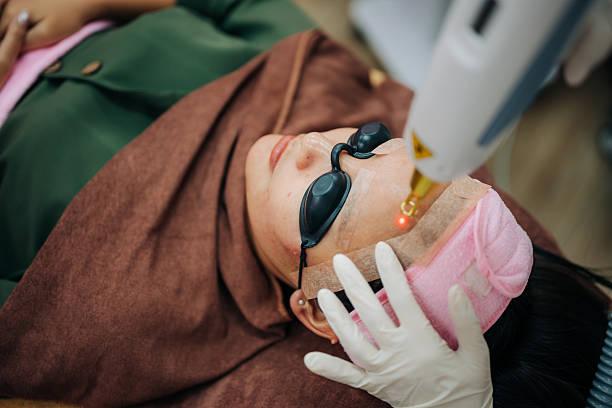
Not all scars respond to the same type of light-based treatment. A mark that appears red may require a different approach from a deep acne scar or a dark area of pigmentation. For this reason, Laser Scar Removal in Dubai involves more than choosing a device; the clinician must identify the main scar feature and select technology that addresses it appropriately.
Different laser families interact with the skin in different ways. Understanding their roles can help patients ask more informed questions during a dermatology consultation.
Why Different Scars Require Different Laser Technologies
Scars develop through changes in the skin's healing process. These changes may affect collagen structure, blood vessels, pigmentation, or the thickness of the tissue.
A dermatologist first evaluates the scar's appearance and underlying characteristics.
Atrophic scars
Atrophic scars appear depressed because tissue has been lost or the skin has become tethered to deeper structures. Selected resurfacing treatments may improve their texture, although deep or tethered scars can require additional procedures.
Raised scars
Hypertrophic scars are raised but remain within the boundaries of the original injury. Keloids can extend beyond those boundaries and may recur after treatment.
Certain lasers may help manage redness or selected surface characteristics, but raised scars often need a broader treatment plan.
Red and pigmented scars
Some scars remain red because of visible blood vessels. Others appear darker due to excess pigmentation after inflammation or injury.
These concerns may require vascular or pigment-focused technology rather than a resurfacing procedure.
Fractional CO2 Laser Technology
Fractional carbon dioxide, or CO2, lasers are ablative systems that create controlled columns of treatment in the skin. The surrounding untreated tissue can support the healing process.
This technology may be considered for selected acne scars and textural irregularities.
How fractional CO2 treatment works
The laser removes or affects tiny columns of tissue, depending on the device settings and treatment pattern. The controlled injury initiates a healing response that may contribute to gradual remodelling.
The depth, density, and intensity of treatment influence both the expected effect and recovery.
What patients should understand
Fractional CO2 treatment can involve redness, swelling, peeling, and a longer recovery period than some non-ablative options. Pigmentation changes and other complications are possible, particularly if the treatment is not carefully matched to the skin.
It is not appropriate for every scar or every skin type.
Erbium Laser Systems
Erbium lasers, including Er systems, are ablative technologies used for selected resurfacing applications.
They interact with water in the skin and can remove controlled amounts of tissue. Their characteristics differ from CO2 systems, including how energy is delivered and how surrounding tissue responds.
Potential applications
An erbium laser may be considered for certain superficial textural irregularities and resurfacing goals.
The choice between erbium and CO2 depends on scar depth, skin characteristics, treatment intensity, and the clinician's assessment. Neither is universally superior.
Non-Ablative Fractional Lasers
Non-ablative fractional systems deliver energy into targeted skin zones without removing the outer skin in the same way as ablative resurfacing.
They may be considered for selected textural concerns where a less intensive treatment approach is appropriate.
Recovery considerations
Some patients experience temporary redness, warmth, or swelling. Recovery is often different from ablative procedures, but several sessions may be recommended depending on the concern and response.
Less downtime does not mean the procedure is risk-free or suitable for all scars.
Vascular Lasers for Red Scar Appearance
Vascular lasers are designed to target blood vessels. They may be considered when redness is a prominent feature of a scar.
The selected wavelength and settings determine how the device interacts with blood vessels.
When vascular treatment may be considered
A vascular laser may be discussed for selected red scars, including some post-surgical marks or scars with persistent visible redness.
It does not directly correct every depressed or raised scar feature. If texture and redness are both concerns, a combination approach may be considered.
Pigment-Targeting Laser Technologies
Pigment-focused devices target selected pigment within the skin. Their use depends on the cause and depth of discolouration.
A dark mark after acne, for example, may be post-inflammatory hyperpigmentation rather than a structural scar.
Why diagnosis matters
Treating pigmentation without understanding its cause can lead to disappointing results or worsening discolouration.
Darker skin tones may be more prone to post-inflammatory hyperpigmentation after certain procedures. A dermatologist may choose conservative settings or consider a test spot when appropriate.
Comparing Laser Technology by Treatment Goal
| Technology family | Main target or effect | Possible scar-related use |
|---|---|---|
| Fractional CO2 | Ablative fractional resurfacing | Selected depressed scars and textural irregularities |
| Erbium laser | Controlled ablative resurfacing | Selected surface and texture concerns |
| Non-ablative fractional | Targeted heating within skin | Selected textural concerns with a different recovery profile |
| Vascular laser | Blood vessels | Persistent redness in selected scars |
| Pigment-targeting laser | Selected pigment | Certain forms of scar-associated discolouration |
The table provides a general overview. Actual suitability depends on the device, treatment settings, scar characteristics, and patient assessment.
How Specialists Select a Laser for Laser Scar Removal in Dubai
A treatment plan should be based on the patient's skin and the specific outcome being pursued.
Assessing skin tone and pigmentation risk
Skin tone can influence the choice of wavelength, energy, and treatment intensity. A history of pigmentation changes after inflammation or previous procedures is also relevant.
Considering scar depth and location
A shallow mark on the cheek may require a different plan from a deep scar near a joint or a raised surgical scar on the chest.
The location can also affect skin tension, healing, and the risk of complications.
Reviewing previous treatments
Previous laser sessions, injections, surgery, topical products, and scar procedures may influence the next step.
Patients should share their treatment history, including any complications or unusual healing responses.
Questions to Ask Before a Laser Procedure
Before proceeding, patients can ask:
-
What is the exact name of the proposed laser device?
-
Is the treatment intended for texture, redness, thickness, or pigmentation?
-
What evidence supports its use for my type of scar?
-
What recovery period should I expect?
-
What complications are relevant to my skin type?
-
Is a combination treatment more appropriate?
-
Is the device authorised for the proposed use in the UAE?
A device's authorisation for one purpose should not be assumed to cover every possible indication.
Clinic Note
Laser categories describe different treatment mechanisms. Fractional describes the pattern of energy delivery, while ablative describes tissue removal. A laser can be both fractional and ablative, as with fractional CO2 resurfacing. The correct choice depends on the scar's characteristics and the patient's risk profile.
Frequently Asked Questions
Is CO2 laser suitable for every scar?
No. CO2 laser may be considered for selected textural scars, but it is not suitable for every raised, pigmented, or vascular scar.
What is the difference between ablative and non-ablative lasers?
Ablative lasers remove controlled portions of tissue. Non-ablative systems deliver energy without removing the skin surface in the same way.
Can a vascular laser improve depressed scars?
A vascular laser primarily targets blood vessels and may help selected redness concerns. It does not usually correct the underlying depression by itself.
Are pico lasers used for all types of scars?
No. Pico technology is primarily used for selected pigment-related and other specific indications. It should not be assumed to correct deep structural scars.
How can I know which laser is suitable?
A dermatologist should assess the scar, skin tone, medical history, and treatment goals before recommending a device.
Explore Personalised Laser Options at Tajmeels Clinic
Selecting a laser should begin with a careful evaluation rather than a device name or general trend. Tajmeels Clinic can be approached for a consultation to discuss scar characteristics, available technologies, and realistic treatment options. Patients should ask about the proposed device, its intended use, expected recovery, and potential risks before making a decision.

 English
 Arabic
 French
 Spanish
 Portuguese
 Deutsch
 Turkish
 Dutch
 Italiano
 Russian
 Portuguese (Brazil)
 Greek
