

Rhinoplasty in Dubai: What Happens During Surgery?
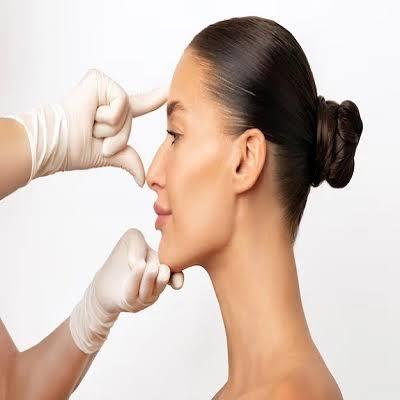
Rhinoplasty in Dubai(تجميل الأنف في دبي) involves carefully modifying the structure of the nose to address cosmetic concerns, functional difficulties, or both. Although the exact procedure varies from person to person, surgery generally follows a planned sequence, beginning with anaesthesia and ending with the application of protective support.
Understanding what happens inside the operating room can help patients feel more prepared and know what to expect. The surgical approach depends on nasal anatomy, the desired changes, and the complexity of the procedure.
How Is the Patient Prepared Before Surgery?
Before the procedure begins, the surgical team confirms the treatment plan and reviews the patient's medical information. The nose and surrounding facial area are prepared according to the planned surgical approach.
The patient is then positioned comfortably in the operating room. Monitoring equipment is used to observe important body functions throughout the procedure, helping the anaesthesia team maintain patient safety.
The planned changes are reviewed to ensure that the surgical team understands the areas requiring attention.
What Type of Anaesthesia Is Used?
Rhinoplasty is commonly performed under general anaesthesia, meaning the patient is asleep and does not feel pain during the operation. The anaesthesia team monitors the patient's condition throughout surgery.
The choice of anaesthesia depends on the procedure, medical history, and individual circumstances. Before surgery, patients should discuss any previous reactions to anaesthesia, existing medical conditions, and medications they take.
How Does the Surgeon Access the Nasal Structure?
The surgeon uses either an open or closed rhinoplasty approach to reach the underlying nasal framework.
In open rhinoplasty, a small incision is made across the columella, the tissue separating the nostrils, along with incisions inside the nose. This allows the nasal skin to be carefully lifted for better visibility of the underlying structures.
In closed rhinoplasty, incisions are made inside the nostrils. This approach allows certain changes to be performed without an external incision across the columella.
The choice depends on the complexity of the required modifications and the patient's anatomy.
How Is the Nasal Bridge Reshaped?
The nasal bridge may be adjusted when a patient has a prominent hump, uneven contour, or proportions that do not match their facial features.
Depending on the surgical plan, the surgeon may reshape bone and cartilage to create a smoother profile. In some cases, controlled adjustments are made to the nasal bones to achieve the intended contour.
The objective is to create a balanced appearance while preserving enough structural support for the nose to function properly.
What Happens During Nasal Tip Refinement?
The nasal tip is formed mainly by cartilage, which influences its projection, width, rotation, and definition. When refinement is required, the surgeon may adjust the cartilage using carefully planned techniques.
For example, a rounded tip may require changes to cartilage shape or positioning, while a drooping tip may need structural support or repositioning.
The approach depends on the existing anatomy, skin thickness, and the desired result. Maintaining appropriate support is important because excessive cartilage removal can affect both appearance and nasal function.
Are the Nostrils Adjusted During Surgery?
Some patients seek changes to the width or shape of their nostrils. When appropriate, the surgeon may perform alar base reduction, a technique that removes or repositions a small amount of tissue near the nostril base.
This step is not necessary for every rhinoplasty procedure. It is considered only when nostril proportions are part of the patient's treatment goals.
Careful planning helps maintain natural-looking nostril contours and avoid an overly narrow appearance.
Can Breathing Problems Be Addressed at the Same Time?
When a patient has a structural breathing concern, functional corrections may sometimes be combined with cosmetic rhinoplasty. These changes may involve correcting a deviated septum or supporting weakened areas of the nasal valve.
The decision depends on the cause of the obstruction and the findings of the nasal examination. Cosmetic reshaping alone does not necessarily improve airflow, so functional concerns must be evaluated separately.
How Is the Nose Supported After Reshaping?
Once the planned modifications are complete, the surgeon checks the nasal structure and closes the incisions with appropriate sutures. Internal support may be used when required, depending on the procedure.
A protective external splint is commonly placed over the nose to help maintain its position during the early healing period. The type and duration of support depend on the surgical technique and individual recovery needs.
How Long Does the Operation Take?
The duration of Rhinoplasty in Dubai varies according to the complexity of the surgery. A procedure involving limited reshaping may take less time than one requiring extensive structural changes or revision work.
Additional functional corrections can also influence operating time. Patients should follow the timing and preparation instructions provided by their surgical team rather than relying on a standard estimate.
What Happens Immediately After Surgery?
After the operation, the patient is moved to a recovery area where medical staff monitor their condition as the effects of anaesthesia wear off.
Temporary swelling, bruising, congestion, and mild discomfort are common during the early recovery period. Some patients may experience light nasal discharge, depending on the procedure.
Before discharge, the patient receives instructions about medication, rest, nasal care, follow-up appointments, and activities to avoid. A responsible adult may be needed to accompany the patient home, particularly after general anaesthesia.
Final Thoughts on Rhinoplasty in Dubai
Knowing what happens during Rhinoplasty in Dubai can make the surgical journey easier to understand, from anaesthesia and nasal reshaping to protective support and early recovery. Every procedure is different because nasal anatomy and treatment goals vary. A personalised surgical plan should prioritise both facial balance and structural stability. TAJMEELS DUBAI عيادة تجميل can be a starting point for individuals researching nose reshaping options and learning about the steps involved in the procedure.

 English
 Arabic
 French
 Spanish
 Portuguese
 Deutsch
 Turkish
 Dutch
 Russian
 Romaian
 Portuguese (Brazil)
 Greek
