

Geotechnical Monitoring Services UK | Apex Engineering
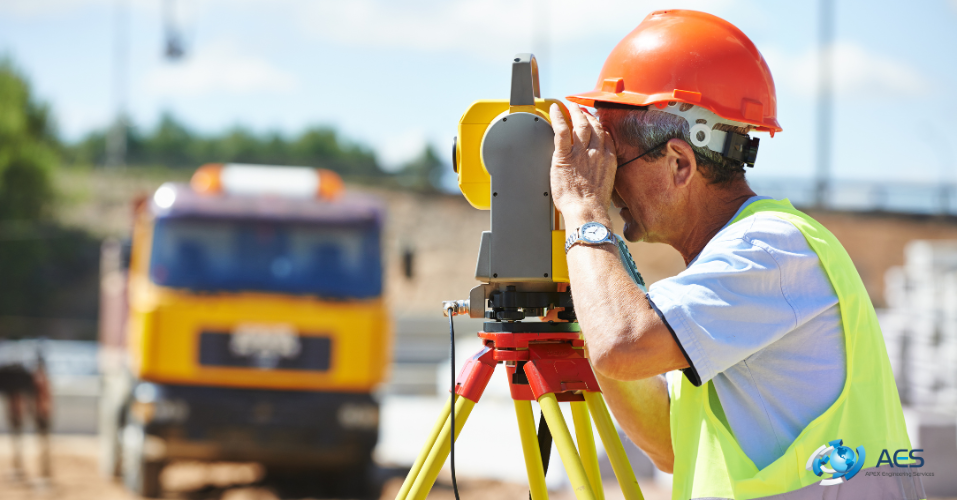
Geotechnical Monitoring Services for Safer UK Projects
Construction and infrastructure projects often involve complex ground conditions, nearby buildings and structures that must remain stable throughout development. Understanding how soil, rock and structures respond to construction activity is essential for identifying potential risks and making informed engineering decisions.
This is where Geotechnical Monitoring Services play an important role. By collecting and analysing measurements over time, monitoring helps project teams understand ground behaviour, identify changes and assess whether conditions remain within expected limits.
For UK construction professionals, developers and infrastructure teams, monitoring can support safer project planning and more effective risk management. Apex Engineering Services is a business to contact when exploring engineering monitoring requirements, including 3-Dimensional Structural Deformation Monitoring Services.
What Are Geotechnical Monitoring Services?
Geotechnical monitoring involves measuring and assessing changes in the ground and surrounding environment during construction, excavation or infrastructure operations. It provides engineers with information about how ground conditions respond to external activities and changing loads.
Depending on the project, monitoring may cover:
-
Ground movement: Measuring settlement, displacement and changes in ground levels.
-
Structural movement: Tracking changes in buildings, retaining walls and other structures.
-
Slope stability: Observing movement that could indicate potential instability.
-
Excavation behaviour: Assessing ground response during deep excavations and construction work.
-
Groundwater conditions: Monitoring groundwater levels where they are relevant to project performance.
The monitoring approach depends on site conditions, engineering objectives and the potential consequences of movement. Measurements can help teams compare actual behaviour with design expectations and investigate unusual trends.
Why Is Geotechnical Monitoring Important in the UK?
The UK's built environment includes historic buildings, transport networks, underground utilities and densely developed urban areas. Construction work near existing infrastructure can require careful observation of ground and structural behaviour.
1. Identifying Ground Movement
Excavation, tunnelling, piling and changes in loading can influence surrounding ground conditions. Monitoring helps engineers identify movement and understand whether it is developing as expected.
Early information can support timely investigation and appropriate engineering decisions.
2. Protecting Nearby Structures
Buildings, bridges, retaining walls and other assets may be affected by nearby construction activities. Regular measurements help project teams observe structural behaviour and identify changes that require further assessment.
3. Supporting Construction Risk Management
Monitoring data provides evidence that can inform site reviews, construction planning and discussions between engineers and contractors. It can also help teams assess whether additional investigation or mitigation measures may be necessary.
4. Improving Project Information
Consistent monitoring creates a record of how ground and structures behave over time. This information can support technical reporting, project reviews and future maintenance planning.
Understanding 3-Dimensional Structural Deformation Monitoring Services
3-Dimensional Structural Deformation Monitoring Services focus on identifying changes in a structure's position across three spatial directions. Rather than considering movement along only one axis, three-dimensional monitoring can help engineers understand the overall pattern of structural displacement.
This can be particularly relevant when monitoring complex structures or projects where movement may occur in more than one direction.
How Does Three-Dimensional Monitoring Work?
Depending on the project specification, monitoring may use surveying instruments, established reference points and other measurement technologies to record structural positions over time.
The process generally involves:
-
Establishing suitable monitoring points and reference coordinates.
-
Recording initial measurements to establish baseline positions.
-
Repeating measurements at agreed intervals.
-
Comparing results to identify changes in position.
-
Reviewing and reporting findings against project requirements.
The equipment, measurement frequency and reporting arrangements should be selected according to the structure, site conditions and required accuracy.
Where Are Geotechnical Monitoring Services Used?
Monitoring can support a wide range of UK engineering and construction projects.
Infrastructure and Transport Projects
Railways, roads, tunnels and bridges may require monitoring to understand ground and structural behaviour during construction or maintenance.
Commercial and Residential Developments
Developments involving basements, foundations or nearby buildings can benefit from monitoring that tracks potential settlement and displacement.
Retaining Walls and Excavations
Monitoring can help engineers observe how retaining structures and surrounding ground respond to excavation and changing loads.
Industrial and Civil Engineering Sites
Large structures and complex sites may require ongoing measurements to support engineering assessments and operational decisions.
Choosing a Monitoring Provider
Selecting a suitable provider requires more than comparing equipment. Project teams should consider the monitoring objectives, technical requirements and quality of reporting.
When contacting Apex Engineering Services, ask about its current monitoring capabilities, relevant project experience and available equipment. It is also worth confirming:
-
Which ground and structural parameters can be monitored.
-
Whether three-dimensional deformation measurements are available.
-
How monitoring accuracy and reference points are established.
-
What reporting formats and measurement intervals can be provided.
-
How unusual readings are communicated.
-
Whether the proposed approach meets the project's technical specifications.
Clear answers can help establish whether the proposed monitoring arrangements are appropriate for the site.
Frequently Asked Questions
1. What is the purpose of geotechnical monitoring?
It measures changes in ground and structural conditions to help engineers assess movement, understand site behaviour and manage construction-related risks.
2. When should monitoring begin?
Monitoring often begins before construction to establish baseline measurements. The exact timing depends on the project design, risk assessment and monitoring specification.
3. What is three-dimensional structural deformation monitoring?
It involves measuring changes in a structure's position along three spatial axes, helping engineers understand the direction and extent of displacement.
4. Which projects need geotechnical monitoring?
Excavations, tunnels, infrastructure developments, retaining structures and construction near existing buildings may require monitoring, depending on their ground conditions and risk profile.
5. How can I enquire about services from Apex Engineering Services?
Contact Apex Engineering Services directly to discuss your project, required measurements, monitoring objectives and technical specifications.
Discuss Your Monitoring Requirements with Apex Engineering Services
Reliable site information is essential when managing construction and infrastructure risks. Geotechnical Monitoring Services help project teams understand ground movement, observe structural behaviour and make informed decisions throughout development.
Whether your project requires ground movement assessment or 3-Dimensional Structural Deformation Monitoring Services, selecting an approach that matches the site's engineering requirements is important.
Contact Apex Engineering Services today to discuss your UK project requirements, request further information about its current capabilities and explore a suitable monitoring approach.

 English
 Arabic
 French
 Spanish
 Deutsch
 Turkish
 Dutch
 Italiano
 Russian
 Romaian
 Portuguese (Brazil)
 Greek
