

Islamic Course in UK | Study at City Hasanat Centre
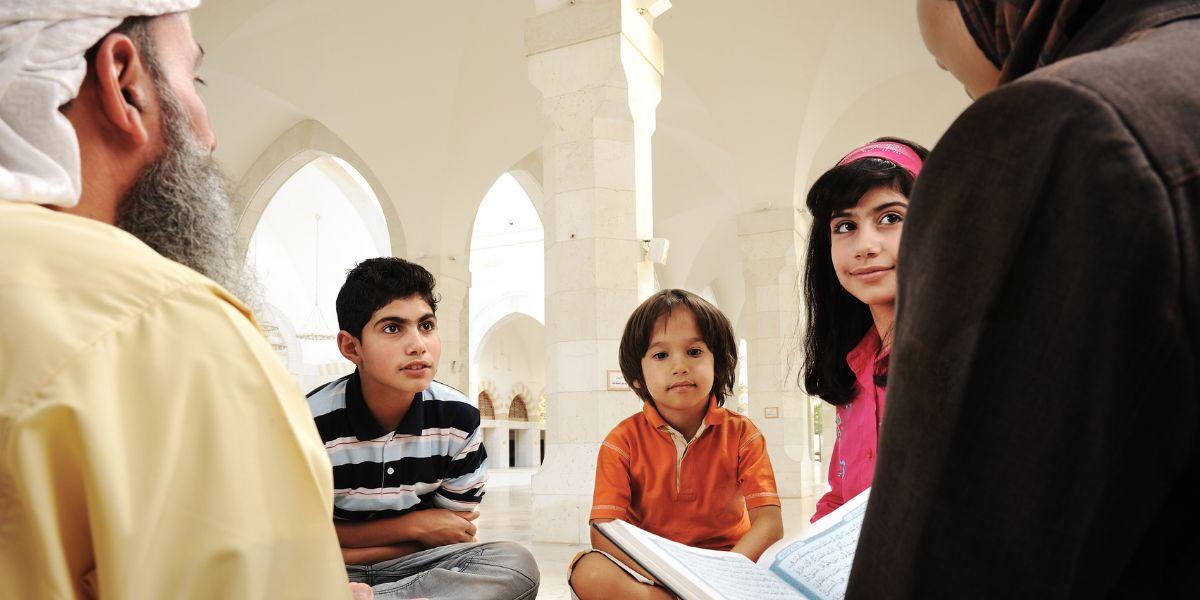
Islamic Course in UK Build Your Islamic Knowledge
Learning about Islam can be a meaningful journey at any stage of life. Whether you want to strengthen your understanding of the Quran, explore Islamic history or develop your knowledge of Arabic, structured learning can help you approach your studies with confidence.
For Muslims across the UK, finding an Islamic Course in UK that suits personal commitments, learning goals and existing knowledge is an important first step. A suitable programme can provide opportunities to study Islamic teachings, ask questions and develop a stronger connection with faith.
City Hasanat Centre is a centre to contact when exploring Islamic learning opportunities. If you are interested in Islamic Studies Arabic, understanding the subjects, teaching approach and available study arrangements can help you make an informed choice.
Why Consider an Islamic Course in UK?
Islamic education offers more than an introduction to religious concepts. It can help learners develop a deeper understanding of their beliefs, values and responsibilities.
A structured course may be useful for:
-
Building religious knowledge: Explore essential Islamic beliefs, practices and teachings.
-
Understanding the Quran: Develop familiarity with Quranic messages, themes and interpretation.
-
Learning Islamic history: Discover important events, personalities and developments in Muslim history.
-
Strengthening daily practice: Understand the principles behind everyday acts of worship and conduct.
-
Developing personal confidence: Build a foundation for asking informed questions and continuing independent study.
For adults, young people and families, the right learning environment can make Islamic education more accessible and engaging.
What Can You Learn Through Islamic Studies Arabic?
The phrase Islamic Studies Arabic brings together two connected areas of learning: understanding Islamic subjects and developing familiarity with the Arabic language. Arabic is particularly important for learners who want to engage more closely with the original language of the Quran and classical Islamic texts.
Course content varies between providers, but learners may wish to explore several key areas.
1. Quran Studies
Quran studies can introduce learners to the structure, themes and messages of the Holy Quran. Depending on the course, topics may include reading, recitation, basic interpretation and the importance of understanding context.
2. Arabic Language
Arabic lessons may cover reading, writing, pronunciation, vocabulary and grammar. Beginners can benefit from developing the fundamentals before progressing towards more advanced texts.
3. Islamic Beliefs and Practices
Learners may study core Islamic beliefs, the Five Pillars of Islam and the principles that guide Muslim worship and everyday life.
4. Hadith and Seerah
Hadith studies explore reports relating to the sayings and actions of Prophet Muhammad (peace be upon him). Seerah focuses on his life and the historical context of his message.
These subjects can help learners connect religious teachings with their historical and practical context.
Choosing the Right Islamic Course in UK
Not every learner has the same goals or starting point. Some may be new to Islamic education, while others may want to deepen existing knowledge or improve their Arabic.
Before selecting an Islamic Course in UK, consider the following factors.
Identify Your Learning Goals
Decide what you want to achieve. You might be interested in Quran reading, Arabic language development, Islamic history or a broader understanding of religious teachings.
Check the Course Level
Find out whether the programme is designed for beginners, intermediate learners or students with previous knowledge. A suitable starting level can make learning more manageable.
Understand the Teaching Format
Ask whether classes are delivered in person, online or through a combination of formats. Check lesson schedules and whether they fit around work, family and other commitments.
Ask About Teachers and Learning Materials
It is reasonable to ask about teachers' relevant knowledge, teaching experience, course materials and the way student progress is assessed.
Exploring Islamic Learning at City Hasanat Centre
Choosing a learning centre is an important part of the educational journey. City Hasanat Centre is a starting point for UK learners who want to enquire about Islamic education and available study options.
If you are considering enrolling, contact the centre to confirm its current courses, including whether Islamic Studies Arabic classes are available. You can also ask about:
-
Subjects covered and course objectives.
-
Admission requirements and suitable age groups.
-
Beginner and advanced learning options.
-
Class timings and delivery methods.
-
Fees, registration and learning materials.
-
Teacher qualifications and student support.
Getting clear information before enrolling helps you choose a programme that matches your needs and expectations.
Benefits of Continuing Islamic Education
Islamic learning can be a lifelong process. As learners gain knowledge, they may become more confident discussing religious topics, understanding key texts and applying Islamic principles thoughtfully.
Studying Arabic alongside Islamic subjects can also help learners recognise commonly used religious vocabulary and develop a better understanding of the language found in Islamic sources.
The most valuable progress often comes from consistency. Setting realistic study goals, revisiting lessons and asking questions can help learners build knowledge over time.
Frequently Asked Questions
1. Who can enrol in an Islamic course in the UK?
Eligibility depends on the individual provider and programme. Some courses may be suitable for beginners, while others may require previous knowledge or have specific age requirements.
2. What is included in Islamic Studies Arabic?
Depending on the syllabus, it may include Arabic reading, writing, grammar and vocabulary alongside subjects such as Quran studies, Islamic beliefs, Hadith and Seerah.
3. Do I need to know Arabic before starting?
Not necessarily. Some Arabic programmes begin with basic letters, pronunciation and vocabulary. Check the course level before applying.
4. Can adults study Islamic subjects?
Yes. Many learners explore Islamic education as adults. Ask the provider whether its current programmes accommodate adult students and different levels of experience.
5. How can I find out about courses at City Hasanat Centre?
Contact City Hasanat Centre directly to confirm current course availability, teaching arrangements, fees and enrolment requirements.
Begin Your Islamic Learning Journey Today
Choosing an Islamic Course in UK can be a positive step towards developing religious understanding and building knowledge that supports lifelong learning. Whether your interest is Quran studies, Arabic or wider Islamic subjects, selecting a programme that suits your goals and experience is essential.
If you are exploring Islamic Studies Arabic, take time to understand the syllabus, teaching approach and available learning arrangements before making a decision.
Contact City Hasanat Centre today to ask about its current Islamic education opportunities, discuss your learning interests and find out how you can take the next step.

 English
 Arabic
 Spanish
 Portuguese
 Deutsch
 Turkish
 Dutch
 Italiano
 Russian
 Romaian
 Portuguese (Brazil)
 Greek
