

What Happens During a G Cell Treatment Session? G Cell Treatment in Dubai Explained Step by Step
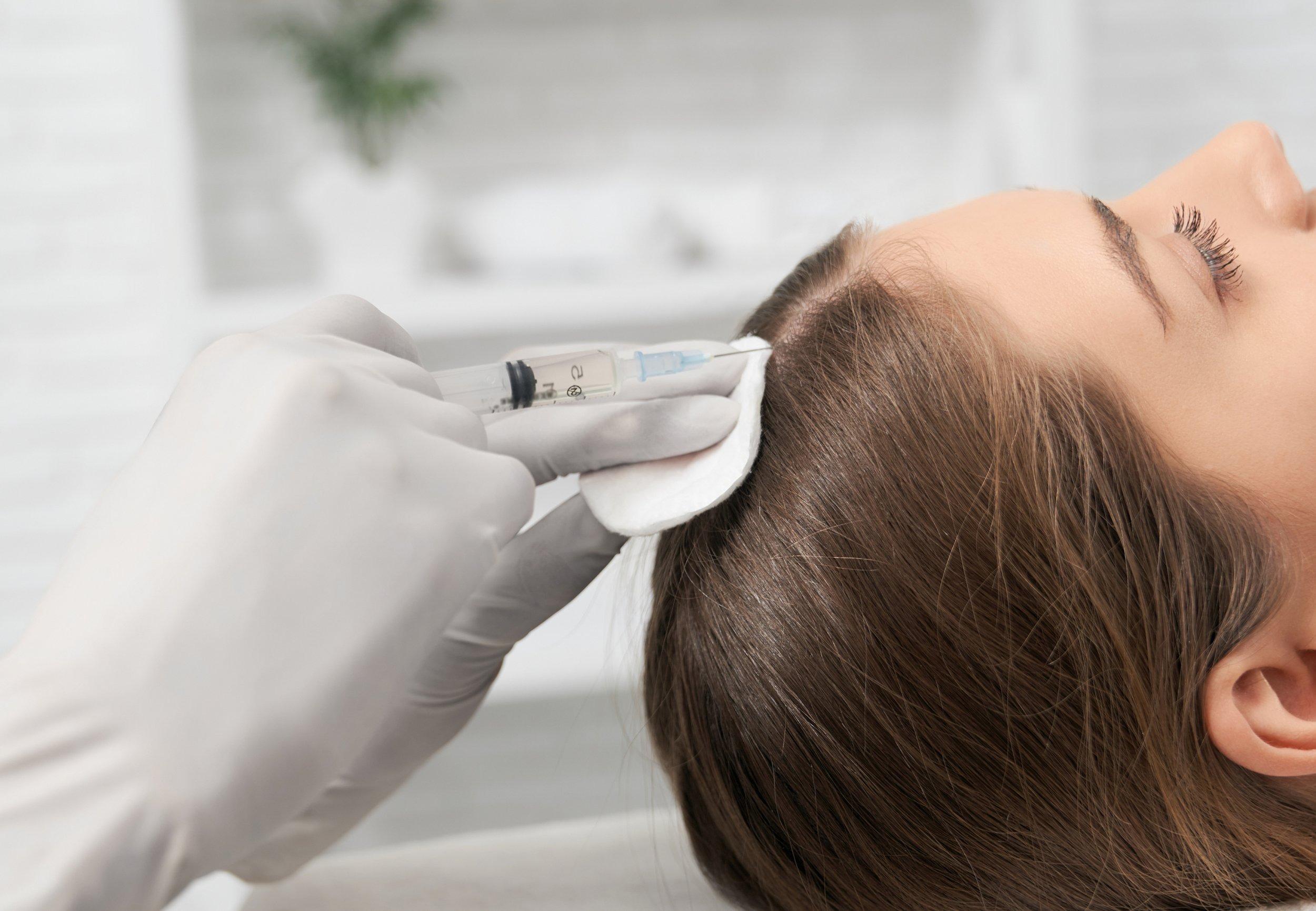
Most people considering a hair treatment have the same question: what actually happens on the day? The unknown can be more off-putting than the treatment itself, especially when a procedure involves a tissue sample and injections into the scalp. Knowing the steps in advance makes the appointment far less daunting and helps patients ask better questions when they get there. G Cell Treatment in Dubai is a regenerative hair treatment that uses the patient's own tissue to prepare a solution rich in regenerative cells, which is then injected into the areas of the scalp where hair is thinning.
The whole visit usually takes a few hours, and it is normally done in a single session. The appointment follows a clear sequence: a consultation and scalp assessment, a small tissue sample taken under local anaesthetic, preparation of the solution in the clinic, and then the injections themselves. Patients can normally return to their usual routine afterwards, with advice to avoid washing the hair or strenuous exercise for a short period.
This guide walks through the appointment step by step, explains how to prepare for it, covers what recovery looks like, and lists the clinics in Dubai where patients can discuss the treatment.
How G Cell Treatment Works
G Cell treatment begins with a small sample of the patient's own tissue, usually taken from behind the ear or from another discreet area of the scalp where hair is dense. The sample is then processed in the clinic using a specialised device that separates out the regenerative cells, including progenitor cells, from the tissue. The resulting solution is injected into the areas of the scalp where the hair is thinning.
The idea behind the treatment is that these cells can support the hair follicles in several ways: by encouraging the growth phase of the hair cycle, by supporting the tissue around the follicles, and by improving the environment in which hair grows. Because the cells come from the patient's own body, there is no donor and no risk of rejection in the usual sense. The treatment is usually given as a single session, although some patients may be advised to have a further session depending on how their hair responds.
Results appear gradually rather than instantly. Hair grows slowly, so any change in thickness or density is usually noticed over several months rather than weeks. Patients should understand that the treatment aims to improve the condition of existing hair and slow further thinning, rather than to restore a full head of hair where follicles have been inactive for many years. Results vary considerably between individuals, and no regenerative treatment can guarantee regrowth.
What Happens During the Appointment
The visit starts with the consultation. The practitioner examines the scalp and the pattern of hair loss, asks about medical history, current medication, allergies and previous hair treatments, and discusses what the patient hopes to achieve. A good practitioner will explain what G Cell treatment can and cannot do for the individual case, and will say so plainly if another option would suit the patient better.
Once the plan is agreed, the tissue sample is taken. The practitioner numbs a small area, usually behind the ear, with local anaesthetic and removes a tiny piece of tissue. Most patients describe the numbing injection as a brief sting, and the sampling itself as pressure rather than pain. While the patient waits, the clinic processes the sample using a specialised device that separates the regenerative cells and prepares the solution for injection.
The final part of the appointment is the injections. Using a very fine needle, the practitioner injects the prepared solution into the areas of the scalp where hair is thinning, working across the affected region in a series of small injections. Most patients describe this as a series of small pinches or brief discomfort. The practitioner then explains the aftercare: how to look after the scalp in the first days, when the hair can be washed, and what activities to avoid.
Clinics Offering G Cell Treatment in Dubai
Dubai has many clinics and hospitals where patients can explore hair restoration treatments. The providers below offer different settings and approaches, and patients should compare them carefully before deciding.
Enfield Royal Clinic
For patients who want a personalised assessment before any hair restoration treatment, Enfield Royal Clinic offers a setting where G Cell treatment can be discussed alongside other cosmetic options. A consultation can assess the pattern of hair loss, the condition of the scalp, and the overall health of the hair, so that the treatment plan is shaped around the individual rather than applied in a standard way. The clinic's approach focuses on honest, realistic advice about what regenerative treatment can and cannot achieve for each patient.
An important part of the process is the conversation before treatment. Patients should have the chance to explain how their hair has changed, to hear what G Cell treatment can and cannot do, and to understand that any improvement develops slowly over months rather than appearing after a single visit. The practitioner should also explain possible side effects, such as temporary redness, swelling or tenderness at the injection sites, and give clear aftercare instructions for the scalp in the days after treatment.
Patients should also ask about the qualifications and experience of the person performing the treatment, and about the equipment and process used to prepare the solution. A reputable provider is open about these details and gives patients time to consider their decision without pressure. Follow-up matters too: because results develop over months, review appointments allow the practitioner to check how the hair is responding and to discuss whether any further treatment is needed.
Before the appointment, patients should know what to bring and how to prepare. The practitioner may advise arriving with clean, dry hair and no styling products, and may ask for a list of current medications. Patients should also plan for a few hours at the clinic, since the consultation, sample, preparation and injections all take place in one visit. Knowing the sequence in advance helps the day run smoothly and removes much of the uncertainty.
Dynamic Life Clinic
Dynamic Life Clinic is among the aesthetic healthcare providers in Dubai where patients can explore regenerative treatments for hair thinning. Those considering G Cell treatment should discuss the pattern of their hair loss, what a realistic improvement would look like, and how this approach compares with other options such as PRP or hair transplantation. A suitable plan begins with an assessment of the scalp and hair density, along with a clear explanation of how the treatment works and how long any result may take to appear.
Emirates Hospital
Emirates Hospital provides a hospital-based healthcare environment where patients can discuss hair restoration treatments with appropriately qualified medical professionals. A hospital setting may suit patients who prefer their treatment within a full medical facility, particularly when other health conditions need consideration. Patients should confirm the availability of G Cell treatments and ask about the consultation process, the practitioner's experience, and the aftercare provided.
Cocoona Clinic
Cocoona Clinic is an aesthetic healthcare provider in Dubai that patients may consider when researching hair restoration treatments. Individuals interested in G Cell treatment can enquire about the clinic's assessment process, how the treatment is planned, and what follow-up is provided. Understanding the expected timeline of results and the possible side effects can help patients decide whether the treatment matches their goals.
Tajmeels Clinic
Tajmeels Clinic is a name patients may encounter while researching aesthetic treatments in Dubai. Those interested in G Cell treatment should enquire about the consultation process, the qualifications of the practitioner, and how the clinic follows up after treatment. A useful consultation should cover medical history, current medications, previous hair treatments, and expectations.
Dubai Cosmetic Surgery Clinic
Dubai Cosmetic Surgery Clinic is another provider patients may research when comparing hair restoration and cosmetic services. Individuals considering G Cell treatment should enquire about the techniques used, the assessment process, and how the clinic plans treatment for different patterns of hair loss. A thorough consultation should explain the expected course of treatment and the limitations of the procedure.
Al Zahra Hospital Dubai
Al Zahra Hospital Dubai offers a hospital-based environment where patients can investigate hair restoration treatments before deciding. A hospital setting may appeal to patients who want their treatment delivered within a broader medical facility. Patients should confirm the availability of G Cell services and consult the relevant specialist about suitable options and the assessment process.
King's College Hospital London Dubai
King's College Hospital London Dubai is another healthcare institution patients may consider when seeking professional guidance about hair restoration. Individuals exploring G Cell treatment can discuss their goals and medical history with an appropriate specialist before committing to treatment. Not every patient is suitable for this treatment, so identifying the right approach is an important part of the consultation.
How to Choose the Right Clinic for G Cell Treatment in Dubai
Choosing a provider is one of the most important decisions in the process. The quality of the result depends on the skill of the practitioner, the accuracy of the assessment, and the standard of aftercare.
Experience and Qualifications
The person performing the treatment should have appropriate medical qualifications and specific experience with regenerative hair treatments. Patients should ask how long the practitioner has been performing G Cell and similar treatments, how many procedures they carry out, and whether before-and-after photographs of similar cases can be reviewed.
Products and Techniques
Clinics may use different devices and preparation methods. Patients should ask how the solution is prepared, what equipment is used, and how the practitioner decides where to inject it. A reputable provider explains its approach and why, and does not rush the assessment.
Safety and Hygiene Standards
G Cell treatment should be performed in a clean, properly equipped clinical setting with sterile instruments and appropriate protocols. Patients should disclose medical conditions, medication use, allergies, and any history of scalp problems beforehand. They should also be told about potential side effects, such as temporary redness, swelling, tenderness, or bruising at the sample or injection sites.
Consultation and Assessment
A proper consultation should assess the pattern of hair loss, scalp condition, and medical history before any treatment is recommended. The practitioner may examine the scalp closely and discuss previous treatments and expectations. This assessment matters most when expectations are high, because a realistic plan protects both safety and satisfaction.
Aftercare and Follow-Up
After treatment, patients should receive clear written instructions, including how to care for the scalp, when hair can be washed, and what activities to avoid in the first days. Follow-up appointments allow the practitioner to review how the hair is responding over the following months.
Expected Results and Limitations
Results develop slowly over months, and the treatment aims to support existing follicles rather than create new ones. It cannot restore hair where follicles have been inactive for many years, and it cannot guarantee regrowth. Patients should ask for a clear explanation of what is realistic for their hair, and whether a different treatment, such as a hair transplant, might suit their goals better.
Frequently Asked Questions
How should I prepare for a G Cell treatment appointment?
Patients are usually advised to arrive with clean, dry hair and no styling products, and to bring a list of current medications and any previous hair treatments. The practitioner will explain any other preparation during the consultation, and patients should ask in advance if they are unsure about anything.
Will there be visible marks on my scalp afterwards?
There may be some temporary redness, slight swelling or tenderness at the injection sites, and a small dressed area where the tissue sample was taken. These effects usually settle within a few days, and most patients return to their usual routine the same day.
When can I wash my hair or exercise after treatment?
The practitioner will give specific aftercare advice, but patients are generally asked to avoid washing the hair and strenuous exercise for a short period after the appointment. Following these instructions carefully helps the scalp settle and gives the treatment the best chance to work.
Does G Cell treatment need to be repeated?
Most patients have a single session, and the result is reviewed after several months. Some patients are advised to have a further session depending on how their hair responds, but this should be decided at follow-up rather than promised in advance.
Can women have G Cell treatment?
Yes, women with thinning hair can be suitable candidates, provided the follicles are still active and the pattern of hair loss is appropriate. The consultation should assess the individual case, including the cause of the thinning, before any treatment is recommended.
Conclusion
A G Cell treatment appointment follows a clear sequence: consultation, a small tissue sample under local anaesthetic, preparation of the solution in the clinic, and a series of fine-needle injections into the scalp. The visit usually takes a few hours, and most patients return to their usual routine the same day. Knowing the steps in advance takes much of the uncertainty out of the decision.
When exploring G Cell Treatment, patients should prioritise qualified practitioners, careful assessment, proper equipment, and thorough aftercare. With the right provider and a realistic plan, G Cell treatment can be a straightforward step toward supporting the hair you still have.

 Arabic
 French
 Spanish
 Portuguese
 Deutsch
 Turkish
 Dutch
 Italiano
 Russian
 Romaian
 Portuguese (Brazil)
 Greek
