

How Long Do the Results of Rhinoplasty Surgery Last?
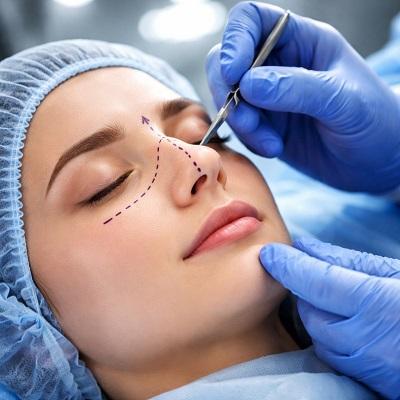
Rhinoplasty is a popular cosmetic procedure designed to reshape the nose, improve facial balance, and address certain functional concerns. Whether someone wishes to refine the nasal tip, reduce a prominent bridge, straighten the nose, or improve breathing, the procedure can offer long-lasting changes. However, one of the most common questions people have before undergoing treatment is how long the results will actually last.
For individuals considering Rhinoplasty Surgery in Oman, understanding the longevity of the results can help set realistic expectations and support informed decisions. In most cases, rhinoplasty results are considered permanent because the procedure changes the underlying bone, cartilage, and structural framework of the nose. Nevertheless, the nose continues to age naturally, and several factors can influence its appearance over time.
1. How Long Do Rhinoplasty Results Typically Last?
Rhinoplasty generally provides permanent structural changes to the nose. Unlike temporary cosmetic treatments that gradually wear off, surgical nose reshaping modifies the nasal framework to achieve a desired appearance. Once the tissues have healed and the final shape has developed, the results can last for a lifetime.
However, permanent results do not mean that the nose will look exactly the same forever. As the body ages, the skin loses elasticity, facial tissues change, and cartilage may gradually become weaker. These natural processes can slightly influence the appearance of the nose.
The majority of patients can enjoy their surgical results for decades without requiring another procedure. The key is allowing sufficient time for healing and following appropriate aftercare instructions.
It is also important to understand that the final appearance does not become visible immediately after surgery. Initial swelling may disappear within several weeks, but deeper swelling can take considerably longer to resolve. In some cases, the nose continues to refine for up to 12 to 18 months, particularly around the nasal tip.
2. What Factors Affect the Longevity of Rhinoplasty Results?
Although rhinoplasty is designed to create lasting changes, several factors can influence how well the results are maintained. Understanding these factors can help individuals protect their surgical outcomes.
Surgical Technique and Structural Changes
The surgical approach plays an important role in determining the long-term appearance of the nose. Rhinoplasty may involve modifying bone, reshaping cartilage, adjusting the nasal tip, or refining the overall nasal structure.
Careful attention to the underlying support of the nose is essential. A well-balanced structural approach can help maintain the desired shape while supporting normal nasal function.
Skin Type and Thickness
Skin characteristics can influence how the final results develop. Individuals with thicker nasal skin may experience longer-lasting swelling, particularly around the nasal tip. Thinner skin may reveal underlying structural changes more clearly.
Skin elasticity also changes with age. As collagen production gradually decreases, the skin may become less firm, which can slightly affect the appearance of the nose over time.
Age and Natural Facial Changes
Age is another important consideration. The nose continues to change throughout adulthood due to natural alterations in cartilage, skin, and supporting tissues.
As people grow older, the nasal tip may gradually become less supported or appear slightly lower. These changes are generally part of the natural ageing process rather than a sign that the original surgery has failed.
Lifestyle and Aftercare
Healthy lifestyle habits can support recovery and help maintain overall skin and tissue health. Avoiding smoking, protecting the skin from excessive sun exposure, and following postoperative instructions can contribute to better healing.
Protecting the nose from accidental injuries is particularly important during the recovery period.
3. When Can Patients Expect to See the Final Rhinoplasty Results?
One of the most important things to understand about rhinoplasty is that the healing process happens gradually. Although some improvements may be noticeable shortly after surgery, the nose needs time to settle into its final shape.
The recovery process can generally be divided into several stages.
First Week After Surgery
During the first week, swelling, bruising, and mild discomfort are common. A nasal splint may be used to protect and support the nose while the initial healing takes place.
At this stage, the nose may look swollen or different from the expected final result. This is completely normal.
First Few Weeks
As the initial swelling and bruising begin to improve, the nose gradually becomes more defined. Many individuals notice visible changes within the first few weeks.
However, the nasal tip and other areas may still appear swollen, making it too early to judge the final outcome.
Three to Six Months
During this period, a significant amount of swelling usually subsides. The nasal bridge and overall contours may become more refined, while subtle changes continue to develop.
Individuals often become more comfortable with their appearance as the healing process progresses.
Twelve to Eighteen Months
For many patients, the final results become clearer within 12 to 18 months. Some individuals, particularly those with thicker skin or more extensive nasal reshaping, may require additional time.
Patience is essential because the gradual reduction of swelling plays a major role in revealing the final nasal shape.
4. Can Rhinoplasty Results Change Over Time?
Although rhinoplasty results are generally permanent, some changes in nasal appearance can occur over the years. These changes are usually associated with natural ageing, environmental factors, or unexpected physical trauma.
Natural Ageing
As the body ages, skin elasticity decreases and the supporting structures of the nose gradually change. The nasal tip may become slightly droopy, while the surrounding facial features may also lose volume.
These changes can influence facial balance, even when the original surgical results remain stable.
Changes in Cartilage and Soft Tissue
Cartilage provides essential support to the nasal structure. Over time, natural changes in cartilage strength and flexibility may affect the shape of the nose.
The skin and soft tissues covering the nasal framework can also change, sometimes making certain features appear more prominent or less defined.
Accidental Injuries
An injury to the nose can potentially affect the surgical results. Sports injuries, falls, accidents, or direct impact may alter the nasal structure and cause changes in appearance or breathing.
Individuals who have undergone rhinoplasty should take appropriate precautions, especially during the early healing period when the nose is more vulnerable.
Residual Swelling and Healing Changes
In some cases, minor irregularities become noticeable as swelling decreases and the tissues settle. This does not necessarily mean that the surgery has been unsuccessful.
The final appearance should be evaluated only after sufficient healing time has passed.
5. How Can Patients Maintain Their Rhinoplasty Results for Longer?
While the structural changes achieved through rhinoplasty are generally long-lasting, proper care can support recovery and help protect the nose from avoidable damage.
The following habits can be beneficial:
-
Follow Postoperative Instructions: Following the recommended recovery guidelines helps protect healing tissues and supports a smoother recovery.
-
Avoid Smoking: Smoking can interfere with circulation and tissue healing. Avoiding tobacco products during recovery is particularly important.
-
Protect the Nose From Sun Exposure: Excessive ultraviolet exposure can contribute to skin damage. Using suitable sun protection helps maintain healthy skin.
-
Avoid Contact Sports During Recovery: Activities that may cause direct impact should be avoided until clearance is provided.
-
Attend Follow-Up Appointments: Regular postoperative assessments allow healing progress to be monitored and any concerns to be addressed.
-
Maintain a Healthy Lifestyle: Balanced nutrition, adequate hydration, and healthy daily habits support general tissue health.
-
Avoid Unnecessary Pressure on the Nose: During recovery, patients should be careful when wearing glasses, sleeping, or performing activities that may put pressure on the nasal structure.
It is important to remember that these habits cannot stop natural ageing. However, they can help reduce preventable complications and support the best possible long-term outcome.
6. Is Revision Rhinoplasty Ever Necessary?
Most individuals do not require another procedure after successful rhinoplasty. However, revision rhinoplasty may sometimes be considered if the initial results do not meet expectations, complications develop, or the nasal structure changes significantly.
Revision surgery may be recommended for several reasons, including:
-
Persistent breathing difficulties following the initial procedure.
-
Noticeable asymmetry or irregularities after complete healing.
-
Changes caused by accidental nasal injuries.
-
Structural concerns affecting nasal support.
-
Aesthetic results that differ significantly from the intended outcome.
It is essential to understand that revision rhinoplasty is generally more complex than primary surgery. The nasal tissues may contain scar tissue, and the available cartilage may be limited.
A thorough assessment is therefore necessary before considering another operation. In most situations, sufficient healing time should be allowed before any revision is planned.
Not every minor difference requires additional surgery. Sometimes, the appearance continues to improve naturally as swelling decreases and the tissues settle.
Frequently Asked Questions About Rhinoplasty Results
1. Are Rhinoplasty Results Permanent?
Yes, rhinoplasty generally produces permanent structural changes to the nose. The procedure reshapes bone and cartilage, allowing individuals to enjoy the results for many years. However, natural ageing and changes in skin elasticity may gradually influence nasal appearance.
2. How Many Years Does Rhinoplasty Last?
Rhinoplasty results can last a lifetime because the underlying nasal structure is surgically modified. Although the nose may change slightly with age, the improvements achieved through surgery are generally long-lasting.
3. When Does the Nose Reach Its Final Shape After Rhinoplasty?
Most initial swelling improves within a few weeks or months. However, complete refinement may take approximately 12 to 18 months, depending on skin thickness, surgical complexity, and individual healing.
4. Can the Nose Become Crooked Again After Rhinoplasty?
In some cases, the nose may develop changes due to trauma, healing complications, or natural structural changes. However, a successfully healed rhinoplasty generally maintains its intended shape over the long term.
5. Does Age Affect Rhinoplasty Results?
Yes, ageing can influence the appearance of the nose. Skin gradually loses elasticity, and cartilage and supporting tissues may change over time. These changes are natural and do not necessarily indicate that the surgery has failed.
6. Can Someone Undergo Rhinoplasty More Than Once?
Yes, revision rhinoplasty is possible when additional correction is medically or aesthetically appropriate. However, secondary surgery can be more complex, so an individual assessment is important before proceeding.
Final Thoughts
Rhinoplasty is generally a long-lasting surgical solution for individuals who wish to improve the appearance or function of their nose. Because the procedure modifies the underlying nasal framework, its results can remain stable for decades and often last a lifetime.
However, the final outcome depends on several factors, including surgical technique, skin characteristics, healing ability, lifestyle habits, and natural ageing. Allowing adequate recovery time, following postoperative instructions, and protecting the nose from injuries can all contribute to maintaining the desired appearance.
Anyone considering rhinoplasty should understand both the benefits and limitations of the procedure. A professional consultation can help establish realistic expectations, determine individual suitability, and provide guidance on achieving safe and satisfying long-term results.
Read More About Rhinoplasty Surgery : https://fakebook.com.br/blogs/7058/Can-Rhinoplasty-Surgery-Fix-Breathing-Problems

 Arabic
 French
 Spanish
 Portuguese
 Deutsch
 Turkish
 Dutch
 Italiano
 Russian
 Romaian
 Portuguese (Brazil)
 Greek
