

What Happens When Breast Implants Are Too Large for Your Natural Tissue?
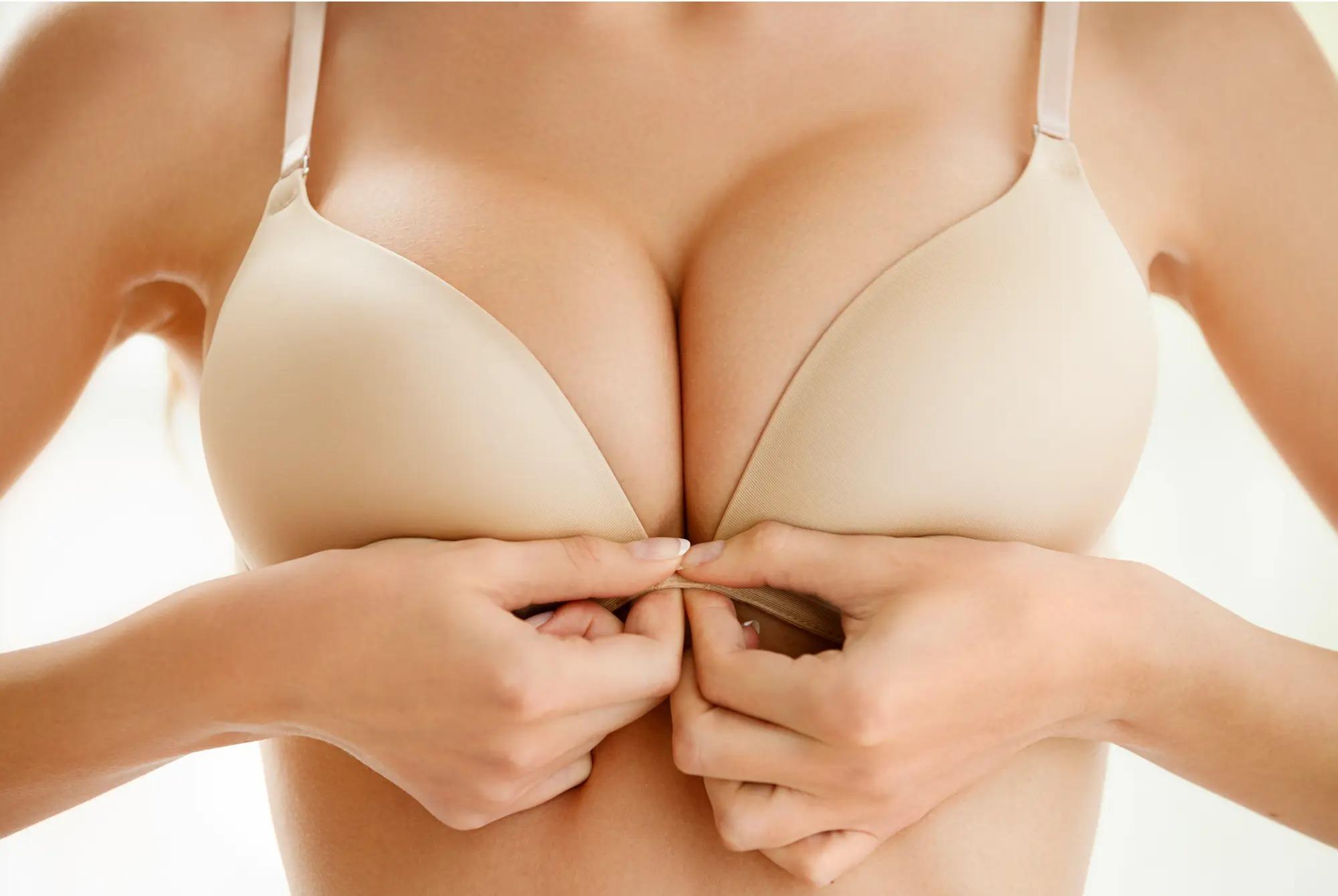
Choosing a larger breast implant may seem like an easy way to achieve a fuller appearance, but your natural breast tissue has limits. If an implant is too wide, heavy, or prominent for your existing anatomy, it can place unnecessary stress on the surrounding skin and supporting structures. During Breast Enlargement in Islamabad, surgeons assess breast width, tissue thickness, skin elasticity, and chest proportions to help select an implant that suits the patient's body.
The challenge is not simply finding an implant that fits inside the breast. It is choosing one that can be supported comfortably while creating a balanced appearance. Understanding what can happen when implants exceed your natural tissue capacity can help you make a safer and more informed decision.
Why Does Natural Breast Tissue Matter?
Your breast tissue and skin form the natural envelope that covers and supports an implant. The amount of existing tissue, its thickness, and its elasticity influence how much volume can be added without creating excessive tension.
Women with naturally small breasts may have limited tissue coverage, while those who have experienced pregnancy, breastfeeding, or significant weight loss may have stretched or thinner skin. These differences mean that the same implant size can produce very different results in two patients.
An implant should complement your natural anatomy rather than overwhelm it. This is why surgeons consider more than the volume or cup size a patient wants to achieve.
What Happens When an Implant Is Too Large?
An implant that exceeds the capacity of the surrounding breast tissues can create several aesthetic and physical concerns. The effects depend on implant weight, dimensions, tissue quality, surgical placement, and individual healing.
Some problems may become noticeable soon after surgery, while others develop gradually as the tissues respond to the implant over time.
Excessive Skin Stretching and Thinning
One possible consequence of an oversized implant is increased tension on the breast skin. The additional weight and volume can stretch the skin envelope, particularly when the patient has limited natural tissue or reduced elasticity.
Over time, excessive stretching may contribute to thinner-looking skin and reduced support. In some cases, implant edges may become more visible because there is less natural tissue covering them.
Thin or overstretched skin can make it harder to maintain a balanced breast contour. Patients with limited tissue coverage should discuss implant dimensions carefully before surgery.
Increased Risk of Breast Sagging
Larger implants are generally heavier, and their weight places additional demands on the natural supporting structures of the breast. If the skin and internal tissues cannot comfortably support that weight, the breasts may gradually descend.
This can contribute to a lower breast position, stretched skin, and changes in nipple orientation. The effect may be more noticeable in patients who already have some degree of breast sagging.
However, implant size is not the only factor. Ageing, pregnancy, weight fluctuations, skin quality, and natural anatomy also influence breast position.
Choosing a proportionate implant can help reduce unnecessary stress on the breast tissues, although it cannot eliminate the possibility of future sagging.
Implant Edges and Rippling May Become More Visible
When a patient has limited natural breast tissue, there may not be enough coverage to conceal the implant smoothly. This can make the implant edges easier to feel or see, particularly along the sides and lower portion of the breast.
Rippling refers to visible or palpable folds in the implant shell. It can occur with different implant types, but it may be more noticeable when tissue coverage is thin.
Surgeons consider tissue thickness, implant characteristics, and placement when planning surgery. Increasing implant volume without considering available tissue coverage may make these concerns more noticeable.
Discomfort and Pressure on Surrounding Tissues
An implant that is too large for the patient's anatomy may create a feeling of tightness, heaviness, or pressure. Some patients may experience discomfort during movement or when wearing certain clothing.
Temporary tightness is common during the early recovery period, so it does not automatically mean that an implant is oversized. Persistent or worsening discomfort requires assessment by the surgical team.
The weight of an implant can also influence the long-term demands placed on the breast skin and supporting structures. Comfort and tissue support should be considered alongside the desired cosmetic appearance.
Breast Asymmetry and Unbalanced Proportions
An implant that is too wide or prominent for the natural breast base may create an appearance that does not match the patient's chest dimensions. The breasts may look excessively projected, overly rounded, or disproportionate to the rest of the body.
Existing asymmetry can make planning more complicated. One breast may have less tissue coverage or a different skin envelope, meaning the same implant dimensions may not be suitable for both sides.
A balanced result depends on breast measurements and individual anatomy, not simply using the same implant size for every patient.
Common Warning Signs of an Oversized Implant
The following concerns may indicate that an implant is placing excessive demands on the surrounding tissues, although only a clinical assessment can establish the cause.
-
Visible implant edges: The implant outline becomes noticeable beneath thin breast tissue.
-
Persistent skin tension: The breast skin appears unusually stretched or tight beyond the expected healing period.
-
Excessive projection: The breasts appear disproportionate to the patient's chest width and body frame.
-
Progressive sagging: The breast position changes as the supporting tissues stretch.
-
Discomfort or heaviness: Persistent pressure or pain develops and requires medical evaluation.
-
Implant malposition: The implant moves from its intended position or creates an uneven breast contour.
These signs do not always mean that the implant is too large. Infection, capsular contracture, implant displacement, and other complications can produce overlapping symptoms.
How Do Surgeons Choose an Appropriate Implant Size?
Before recommending an implant, the surgeon examines the patient's breast dimensions and tissue characteristics. Measurements commonly include breast base width, existing tissue thickness, skin elasticity, nipple position, and the distance between anatomical landmarks.
The surgeon also considers implant volume, width, profile, and projection. These measurements help determine whether a particular implant is likely to fit the breast base and provide suitable coverage.
During Breast Enlargement in Islamabad, patients should discuss their preferred appearance while remaining open to professional recommendations. A surgeon may suggest a smaller implant if the requested size would place excessive tension on the tissues.
The best implant is one that balances aesthetic goals with anatomical suitability and long-term considerations.
Can an Oversized Implant Be Corrected?
If an implant is causing significant problems, treatment depends on the underlying issue. A surgeon may recommend monitoring, implant exchange, downsizing, repositioning, or additional procedures to improve breast support and contour.
In cases involving substantial skin stretching or sagging, a breast lift may be considered alongside implant revision. If the implant has moved or the surrounding capsule has become problematic, a different surgical approach may be needed.
Revision surgery is not automatically necessary for every patient with large implants. The decision should follow a proper examination and discussion of the potential benefits, limitations, and risks.
Patients should seek prompt medical advice if they experience sudden swelling, increasing pain, redness, fever, or a significant change in breast shape.
Choosing the Right Implant for Breast Enlargement in Islamabad
A successful breast augmentation plan should consider more than the size a patient hopes to achieve. Surgeon qualifications, accurate measurements, tissue assessment, implant documentation, and a clear understanding of possible complications all contribute to informed decision-making.
At Dynamic Aesthetic Clinic, patients considering Breast Enlargement in Islamabad can discuss implant sizing and breast anatomy with experienced professionals and qualified, board-certified surgeons. Through individual assessment and advanced surgical techniques, the team can recommend an approach that considers natural tissue capacity, body proportions, and realistic aesthetic expectations.
Meta Description: Breast Enlargement in Islamabad: learn how oversized implants affect natural tissue, skin support, breast shape, and long-term results.

 English
 Arabic
 French
 Spanish
 Deutsch
 Turkish
 Dutch
 Italiano
 Russian
 Romaian
 Portuguese (Brazil)
 Greek
