

What Is the Best Liposuction Option for Male Chest Fat?
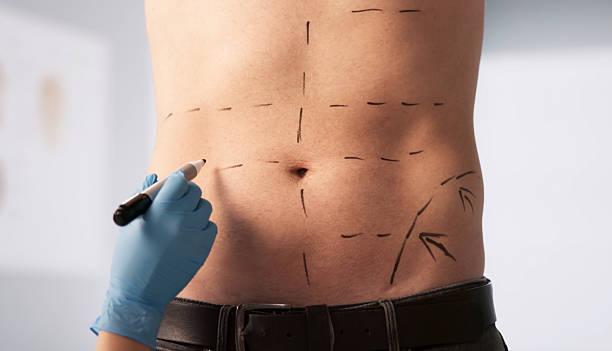
Excess fat around the male chest can affect body proportions and make some men feel uncomfortable wearing fitted clothing or participating in activities where their chest is visible. This fullness may result from weight changes, genetics, hormonal factors, or a condition known as gynecomastia. For men exploring surgical body-contouring options, Best Liposuction in Riyadh is a useful topic when learning how localized chest fat can be reduced to create a flatter, more defined appearance.
The most suitable treatment depends on whether chest enlargement is caused by excess fat, enlarged glandular tissue, loose skin, or a combination of these factors. Choosing the Best Liposuction in Riyadh requires a proper medical assessment because liposuction alone may not address every cause of male chest fullness. A qualified surgeon can identify the underlying concern and recommend an approach suited to the patient's anatomy and goals.
What Causes Excess Fat in the Male Chest?
Male chest fullness can develop for several reasons. Understanding the cause is important because different conditions may require different treatments.
Excess Fat Deposits
Some men naturally store more fat around the chest. Weight gain can also increase fat accumulation in this area, creating a fuller appearance. When the enlargement is mainly caused by fat, liposuction may be an appropriate option for selected patients.
Gynecomastia
Gynecomastia is the enlargement of glandular breast tissue in males. It may be associated with hormonal changes, certain medications, medical conditions, or other factors. Unlike ordinary fat deposits, glandular tissue cannot always be adequately treated with liposuction alone.
Loose Skin
After significant weight loss or changes in skin elasticity, excess skin may contribute to a sagging chest appearance. Removing fat without addressing substantial loose skin may not produce the desired contour.
What Is the Best Liposuction Option for Male Chest Fat?
There is no single liposuction technique that is best for every man. The appropriate method depends on the amount and type of tissue, skin quality, and the surgeon's assessment.
Traditional Liposuction
Traditional liposuction uses a thin cannula to loosen and remove excess fat through small incisions. It is a well-established technique and may be suitable when chest fullness is mainly caused by localized fat deposits.
VASER Liposuction
VASER liposuction uses ultrasound energy to help separate fat cells before they are removed. It may be considered for selected patients who want targeted chest contouring. However, it does not guarantee superior results or significant skin tightening for everyone.
Laser-Assisted Liposuction
Laser-assisted liposuction uses laser energy to help disrupt fat before removal. Some systems also generate tissue heating, but the amount of skin tightening varies. A surgeon can explain whether this approach is suitable for the patient's chest anatomy.
Power-Assisted Liposuction
Power-assisted liposuction uses a vibrating cannula to help loosen fat during removal. It may be useful in certain treatment situations, depending on the surgeon's experience and the patient's needs.
Is Liposuction Enough to Treat Gynecomastia?
Liposuction can be effective when male chest enlargement is primarily caused by excess fatty tissue. However, true gynecomastia involves enlarged glandular tissue, which may require surgical removal.
In some cases, surgeons combine liposuction with direct glandular tissue excision. This approach can address both fatty deposits and firm tissue beneath the nipple area. If significant loose skin is present, additional skin-removal techniques may also be discussed.
A proper examination is essential to distinguish between chest fat and glandular enlargement. Men who develop new, painful, or one-sided breast enlargement, nipple discharge, or a lump should seek medical evaluation before considering cosmetic surgery.
Who Is an Ideal Candidate for Male Chest Liposuction?
Men who have localized chest fat, maintain a relatively stable weight, and are in suitable overall health may be candidates for liposuction. Good skin elasticity can help the skin adapt after fat removal and support a smoother chest contour.
Candidates should have realistic expectations and understand that liposuction is not a weight-loss procedure. Men with significant glandular tissue or loose skin may need a different or combined surgical approach. A surgeon may also recommend medical evaluation when chest enlargement could be related to hormonal changes, medications, or another health condition.
What Happens During Male Chest Liposuction?
The process begins with a consultation, medical history review, and physical examination. The surgeon assesses the chest, identifies whether enlargement is caused by fat or glandular tissue, and discusses the expected outcome. The appropriate technique and anesthesia are selected according to the treatment plan.
Small incisions are made in discreet locations, and a cannula is used to remove targeted fat. If glandular tissue needs to be removed, the surgeon may perform an additional excision. Compression garments are commonly recommended after surgery to support the treated area during recovery.
Recovery After Male Chest Liposuction
Swelling, bruising, tenderness, and temporary changes in sensation are common after chest liposuction. Recovery varies depending on the amount of tissue treated and whether glandular excision is performed.
Patients should follow their surgeon's instructions about compression garments, wound care, sleeping positions, and physical activity. Light walking may be encouraged when appropriate, but heavy lifting and strenuous chest exercises should be avoided until the surgeon confirms they are safe. Final contours may take several months to develop as swelling settles.
Benefits and Possible Risks
Male chest liposuction may reduce localized fat, improve chest definition, and create a flatter-looking appearance in suitable candidates. When the underlying cause is correctly identified, treatment can help improve overall body proportions.
Like any surgical procedure, liposuction carries risks. These may include infection, bleeding, fluid accumulation, scarring, numbness, asymmetry, contour irregularities, and complications related to anesthesia. Additional risks may apply when glandular tissue or excess skin is removed. Patients should discuss all potential complications with their surgeon before deciding on treatment.
Book a Male Chest Contouring Consultation at Royal Clinic Saudia
If excess chest fullness is affecting your confidence, arrange a consultation at Royal Clinic Saudia to discuss your concerns. A qualified medical professional can assess whether the enlargement is caused by fat, glandular tissue, or loose skin and explain suitable treatment options based on your health and desired results.
FAQs:
Can liposuction remove male chest fat?
Yes. Liposuction can remove localized fat deposits from the male chest when excess fat is the main cause of enlargement. Glandular tissue may require surgical excision.
What is the difference between chest fat and gynecomastia?
Chest fat is made up of fatty tissue, while gynecomastia involves enlarged glandular breast tissue. A medical examination can help distinguish between the two.
Does male chest liposuction leave visible scars?
The procedure generally uses small incisions that may leave minor scars. Their visibility depends on incision placement, healing, and individual skin characteristics.
How long does it take to see results after male chest liposuction?
Some changes may become noticeable as swelling decreases, but the final chest contour can take several months to develop. Recovery varies from person to person.

 English
 Arabic
 Spanish
 Portuguese
 Deutsch
 Turkish
 Dutch
 Italiano
 Russian
 Romaian
 Portuguese (Brazil)
 Greek
