

Sessions, Healing and Aftercare: Your Guide to Scalp Micropigmentation Dubai
Sessions, Healing and Aftercare: Your Guide to Scalp Micropigmentation Dubai
Most people researching scalp micropigmentation focus on the finished result: a fuller-looking head of hair, a tidier hairline, or a scar that no longer stands out. What often gets less attention is the process itself — how many sessions are involved, what each one feels like, and how the scalp heals in between. Scalp Micropigmentation Dubai is a treatment that is built up gradually, and understanding the schedule helps patients plan around work, social occasions and the Dubai heat.
Scalp micropigmentation, usually shortened to SMP, uses tiny deposits of pigment placed into the scalp to recreate the look of hair density. It does not grow hair; instead, it reduces the contrast between thinning hair and the scalp beneath it, so the hair looks thicker. This guide walks through what happens session by session, how the scalp heals, what aftercare involves, and how SMP can help women and people with thinning crowns.
What Happens During SMP Sessions
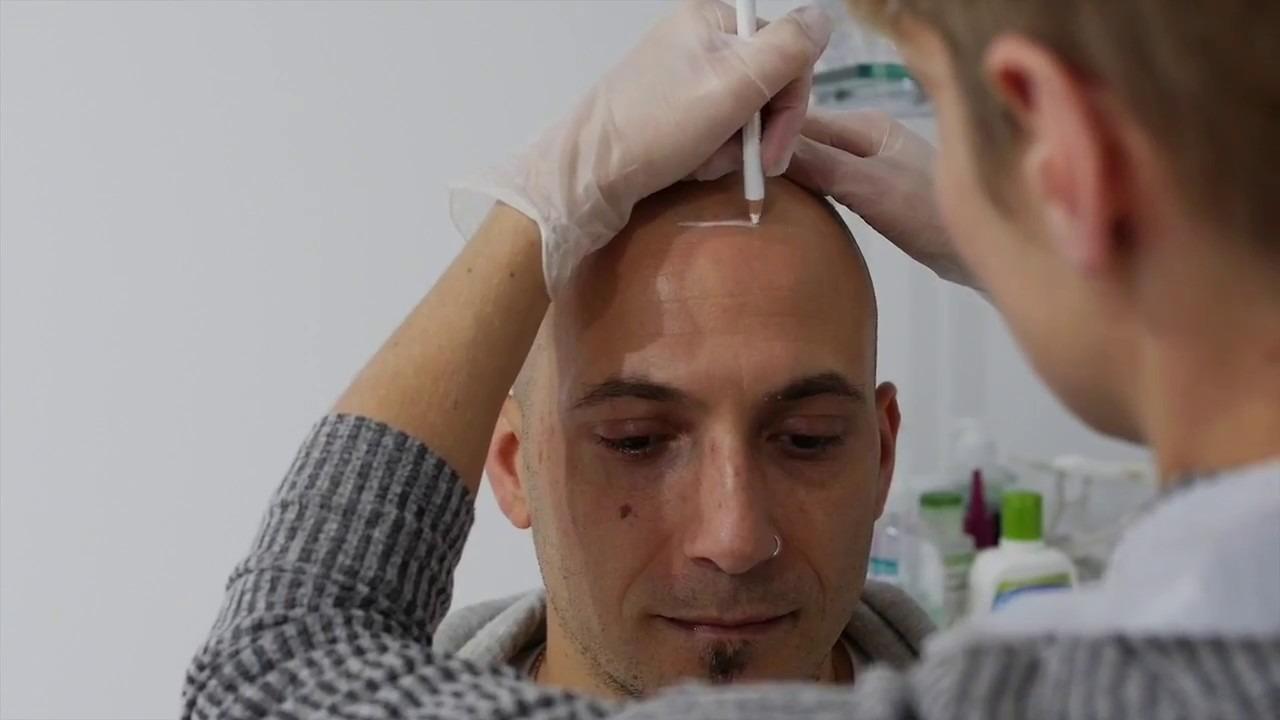
A typical course of SMP involves two to four sessions, spaced about a week apart. The first session is usually the longest, because it sets the shape of the hairline, the areas to be treated, and the base level of density. The practitioner draws the hairline and agrees it with the patient before any pigment is placed, then works across the scalp in small sections, placing dots of pigment matched to the patient's hair colour and skin tone. A session can take several hours, depending on the size of the area being treated.
The second session builds on the first. By this point the pigment has settled, so the practitioner can see how the colour has taken and where more density is needed. The dots are layered to deepen the colour and even out patchy areas. A third session, when needed, is usually shorter and focuses on fine-tuning — softening edges and filling remaining thin spots. Not everyone needs one, and a touch-up may be booked several weeks later, once the final result has fully settled.
Healing After Each Session and What Aftercare Involves
Healing after an SMP session is usually straightforward, but it follows a pattern that patients should expect. Immediately after treatment, the scalp may look red and feel tender, similar to a mild sunburn. The pigment often looks darker than the final result at this stage, because the skin is irritated and the pigment is sitting close to the surface. This darker appearance is normal and fades as the skin heals.
Over the next few days, the scalp begins to settle. Small scabs or flakes may form where the pigment was placed, and these should be left alone — picking at them can pull pigment out and leave uneven patches. The redness usually fades within a day or two. The colour softens over the following two to four weeks, and the final appearance of that session only becomes clear once healing is complete.
Aftercare instructions are an important part of the treatment, and patients should receive them in writing. For the first few days, patients are usually advised not to wash the scalp, to avoid heavy sweating and exercise, and to stay out of swimming pools and the sea. Direct sun should be avoided, and a hat or shade is sensible when going outdoors in Dubai's heat. Moisturising the scalp may be recommended once the initial healing has passed, but patients should follow the clinic's guidance rather than applying their own products.
The weeks between sessions are also a time to watch how the pigment behaves. If the scalp is irritated, itchy or unusually sore, patients should contact the clinic rather than waiting for the next appointment.
SMP for Women and Thinning Crowns
SMP is often discussed in the context of men with shaved heads, but it can also help women and people whose main concern is a thinning crown. For women, the pattern of hair loss is usually different: rather than a receding hairline, the hair thins across the top of the head and the parting widens. SMP can reduce the contrast between the scalp and the hair in these areas, so the parting looks narrower and the hair looks denser, without the need to shave the head.
Treating a thinning crown needs a careful approach. The crown is a swirl where the hair grows in different directions, and the pigment must follow that pattern to look natural, placed among the existing hair rather than as a solid block of colour. Because women usually keep their hair longer, the pigment should be subtle. Sessions, healing and aftercare are the same as for other areas, though women should ask when it is safe to resume washing and styling. As with any SMP treatment, the result is the appearance of density rather than real hair, and a consultation should establish whether the pattern of thinning will respond well.
Clinics Offering Scalp Micropigmentation Dubai
Dubai has a wide choice of clinics offering hair restoration and scalp treatments. The providers below offer different settings and approaches, and patients should compare how each one plans sessions, supports healing, and follows up after treatment.
Cocoona Clinic
Cocoona Clinic is a healthcare provider in Dubai that patients may consider when researching scalp treatments. Those interested in SMP can enquire about the clinic's assessment process, how it schedules sessions, and what aftercare guidance is provided between appointments.
Emirates Hospital
Emirates Hospital provides a hospital-based environment where patients can discuss scalp treatments with appropriately qualified medical professionals. A hospital setting may suit patients who prefer treatment within a full medical facility. Patients should confirm the availability of scalp micropigmentation and ask about the consultation and aftercare provided.
Tajmeels Clinic
Tajmeels Clinic is a name patients may encounter while researching scalp and hair services in Dubai. Those interested in SMP should enquire about the consultation process, the qualifications of the practitioner, and how the clinic follows up after treatment, along with clear aftercare guidance for the first week.
Enfield Royal Clinic
For patients who want the process explained properly before committing, Enfield Royal Clinic offers a setting where scalp micropigmentation is planned session by session, with time given to healing and aftercare. A consultation can assess the pattern of thinning, the tone of the scalp and hair, and whether SMP — or another approach — would suit the patient best. The plan should be shaped around the individual, including how many sessions are likely and what the recovery between them involves.
The session plan itself deserves a careful discussion. Patients should have the chance to ask what each session will cover, how the pigment will be layered, and what the scalp will look like in the days afterwards. Because the colour softens as the skin heals, a practitioner who explains this in advance helps patients avoid worrying when the result looks darker than expected straight after treatment. The clinic should also be clear about when a touch-up may be needed and what it involves.
Healing and aftercare should be part of the conversation too. Patients should leave each session with written instructions on washing, sun protection, exercise and swimming, and should know who to contact if the scalp is irritated or sore. Follow-up matters because the result settles over several weeks: a review appointment allows the practitioner to check the outcome and decide whether a further session is needed.
King's College Hospital London Dubai
King's College Hospital London Dubai is a healthcare institution patients may consider when seeking professional guidance about hair loss. Individuals exploring SMP can discuss their goals and medical history with an appropriate specialist before committing to treatment.
Al Zahra Hospital Dubai
Al Zahra Hospital Dubai offers a hospital-based environment where patients can investigate scalp treatments before deciding. Patients should confirm the availability of scalp micropigmentation and consult the relevant specialist about suitable options, the assessment process, and what follow-up care is included.
Dubai Cosmetic Surgery Clinic
Dubai Cosmetic Surgery Clinic is another provider patients may research when comparing scalp and hair restoration services. Individuals considering SMP should enquire about the techniques used, the assessment process, and how the clinic plans treatment for the hairline and crown.
Dynamic Life Clinic
Dynamic Life Clinic is among the healthcare providers in Dubai where patients can explore scalp treatments, including micropigmentation. Those considering SMP should discuss their pattern of thinning and what a realistic result would look like, and ask how many sessions may be needed and what the aftercare involves.
How to Choose the Right Clinic for Scalp Micropigmentation Dubai
Choosing a provider is one of the most important decisions in the process, and the session plan and aftercare should be part of the comparison.
Session Planning and Honesty About Numbers
A good clinic explains how many sessions are likely before treatment begins, and why. Patients should be cautious of any provider that promises a finished result in a single session, since SMP is designed to be built up gradually. Ask how the sessions will be spaced and what each one is meant to achieve.
Aftercare Support Between Sessions
The weeks between sessions matter as much as the sessions themselves. Ask whether the clinic provides written aftercare instructions, a contact for questions during healing, and a review appointment before the next session. A provider that checks in on healing is more likely to catch problems early.
Experience With Different Hair and Skin Types
SMP looks different on different skin tones, hair colours and patterns of thinning. Ask whether the practitioner has treated cases similar to yours — a thinning crown, a widening parting, darker skin, or grey hair — and whether photographs of similar cases can be reviewed.
Hygiene and Pigment Standards
SMP should be performed in a clean, properly equipped clinical setting with sterile needles and appropriate protocols. Patients should ask which pigments will be used and how the colour is matched. They should also disclose medical conditions, medication use, allergies, and any history of scalp conditions beforehand.
Consultation Quality
A proper consultation should assess hair loss, scalp condition and skin tone before any treatment is recommended. The practitioner may test the pigment on a small area and discuss the hairline design. This assessment matters most when expectations are high, because a realistic plan protects both safety and satisfaction.
Realistic Expectations and Long-Term Maintenance
The result is visible straight away but settles over a few weeks, and the pigment fades gradually over several years. Touch-ups are usually needed to maintain the look. Patients should ask for a clear explanation of what is realistic for them, how the result will age, and what a touch-up involves.
Frequently Asked Questions
How long does each SMP session take?
It depends on the size of the area being treated. A session can take two to four hours, and the first session is usually the longest because it sets the hairline shape and base density. Later sessions are often shorter, as they focus on adding detail and evening out the colour.
What should I avoid after a session?
For the first few days, patients are usually advised not to wash the scalp, to avoid heavy sweating and exercise, and to stay out of swimming pools and the sea. Direct sun should be avoided, and a hat is sensible outdoors. Patients should follow the clinic's written instructions, as advice can vary.
When can I wash my hair again after SMP?
Most clinics advise waiting a few days before washing the scalp, to let the pigment settle and the skin begin healing. The exact timing depends on the clinic's protocol, so patients should confirm it at the session. When washing resumes, it should be gentle, with lukewarm water and a mild shampoo.
Can I exercise or swim after scalp micropigmentation?
Strenuous exercise and swimming are usually best avoided for several days after each session. Sweat and chlorinated or sea water can irritate the healing scalp and affect how the pigment settles. Patients should ask the clinic when it is safe to return to their normal routine.
Does SMP suit women with thinning hair?
Yes, SMP can help women whose hair is thinning across the top of the head or whose parting has widened. The pigment is placed among the existing hair to make the scalp less visible, so the hair looks denser, and the head does not need to be shaved. Whether it suits a particular patient should be decided during the consultation.
Conclusion
Scalp micropigmentation is a gradual treatment, and the best results come from understanding the process as well as the outcome. When sessions are planned properly, healing is given time, and aftercare is followed carefully, the result can look convincing in everyday light — whether the aim is a fuller-looking crown, a narrower parting, or a tidier hairline.
When exploring Scalp Micropigmentation, patients should compare providers on how they plan sessions, support healing, and follow up between appointments. With the right practitioner and a realistic plan, SMP can be a practical way to feel more confident about thinning hair.

 English
 Arabic
 French
 Spanish
 Portuguese
 Deutsch
 Turkish
 Dutch
 Italiano
 Russian
 Portuguese (Brazil)
 Greek
