

Best Rhinoplasty in Dubai: What Makes a Natural-Looking Nose Result?
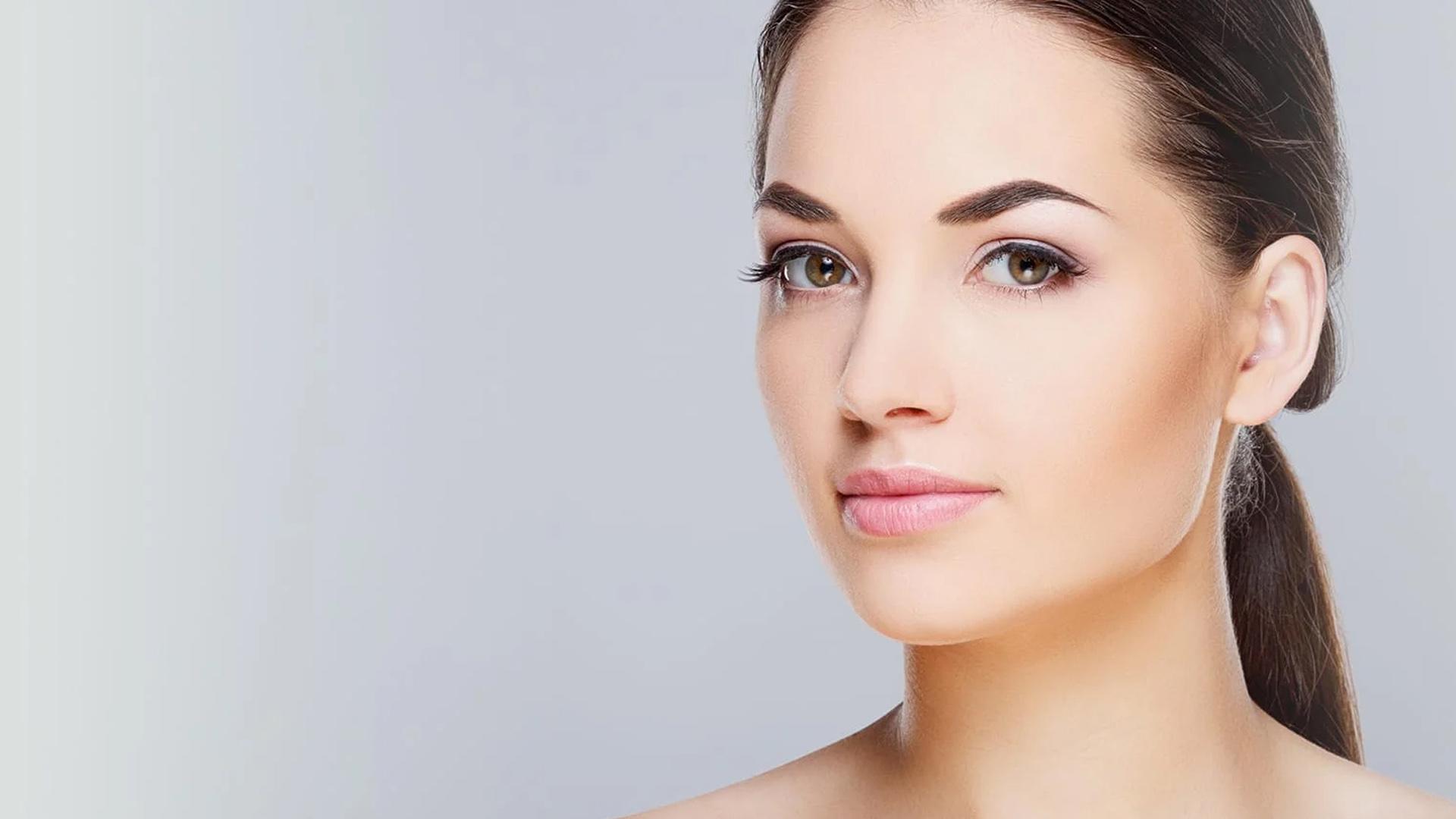
Rhinoplasty is more than a cosmetic procedure designed to change the shape of the nose. It is a personalised surgical approach that aims to improve facial harmony while preserving the features that make each person’s appearance unique. A successful result should complement the patient's existing facial structure rather than make the nose look noticeably different or artificial. This is why natural-looking outcomes have become an important consideration for people exploring Best rhinoplasty in dubai.
Every face has its own proportions, skin characteristics, nasal structure, and aesthetic balance. A nose that looks attractive on one person may not suit another. Therefore, achieving a natural appearance requires careful planning, an understanding of facial anatomy, and a surgical technique that respects the patient's individual features.
For individuals considering Rhinoplasty in dubai, understanding what contributes to a natural-looking result can help them make more informed decisions. From maintaining suitable nasal proportions to preserving functional support, several factors influence how the nose looks after surgery. The goal is not simply to create a smaller or more refined nose but to achieve an outcome that looks balanced, feels appropriate for the face, and remains consistent with the patient's natural appearance.
Understanding the Meaning of a Natural-Looking Rhinoplasty Result
A natural-looking rhinoplasty result is one in which the nose fits comfortably with the other facial features. It should not appear disconnected from the forehead, cheeks, lips, or chin. Instead, the changes should create a balanced appearance without drawing unnecessary attention to the surgical work.
Some patients may want to reduce a prominent nasal hump, while others may wish to refine a rounded tip, improve asymmetry, or adjust the overall nasal profile. Although these concerns differ, the underlying objective is often similar: achieving a nose that looks proportionate and complements the rest of the face.
Natural results do not necessarily mean making minimal changes. In certain cases, more noticeable structural adjustments may be needed to achieve the desired balance. However, each modification should be carefully considered in relation to the patient's anatomy.
An experienced rhinoplasty surgeon evaluates the nose as part of the entire face rather than treating it as an isolated feature. This broader perspective helps ensure that the final appearance remains harmonious.
Facial Proportions and Balance Play an Important Role
Facial proportions are among the most important considerations when planning rhinoplasty. The size, width, length, projection, and angle of the nose all influence how the face appears from different perspectives.
For example, reducing the nasal bridge too much may make the nose appear disproportionately small compared with the forehead and chin. Similarly, excessive tip rotation can change the natural character of the face. These changes may create an artificial appearance even when the nose itself appears technically refined.
A personalised surgical plan considers several facial relationships, including:
- The relationship between nasal length and overall facial height.
- The width of the nose in comparison with the cheeks.
- The angle between the nose and upper lip.
- The projection of the nasal tip in relation to the chin.
- The relationship between the nasal bridge and forehead.
These measurements are not intended to create a universal beauty standard. Instead, they help the surgeon understand which modifications may improve the patient's existing facial proportions.
The most appropriate result is one that respects individual anatomy and creates a natural transition between facial features.
Preserving the Patient's Original Facial Identity
One of the defining characteristics of natural-looking rhinoplasty is the preservation of facial identity. Every individual has distinctive features that contribute to their appearance, and the nose is an important part of that identity.
A surgical approach that attempts to reproduce the same nose shape for every patient can overlook these differences. For instance, a highly refined nose may suit someone with delicate facial features but appear out of proportion on a person with a broader facial structure.
Dr. Shahram Sajjadi's approach to rhinoplasty should be discussed in the context of each patient's aesthetic goals, nasal anatomy, and functional requirements. Rather than focusing exclusively on a particular nose shape, the planning process should consider how the proposed changes will work with the patient's existing features.
Preserving recognisable characteristics does not mean avoiding improvement. It means making carefully selected adjustments while maintaining the qualities that make the face look individual.
This balance is particularly important for patients who want their appearance to look refreshed or refined without making it obvious that they have undergone surgery.
Nasal Tip Refinement Without Creating an Artificial Appearance
The nasal tip is one of the most noticeable parts of the nose, particularly when viewed from the front and side. Its shape, projection, rotation, and definition can significantly influence the overall appearance of the face.
Some patients have a rounded or bulbous nasal tip, while others may have a tip that appears wide, drooping, or asymmetrical. Rhinoplasty can address these concerns through carefully planned structural adjustments.
However, excessive tip refinement can sometimes produce an unnatural appearance. A tip that is too narrow, sharply defined, or excessively elevated may not complement the patient's facial structure.
Natural-looking tip refinement focuses on achieving appropriate definition while maintaining structural support. The surgeon considers the thickness of the skin, the underlying cartilage, and the relationship between the tip and nasal bridge.
Patients with thicker nasal skin may require a different surgical strategy from those with thinner skin because the final definition can vary depending on tissue characteristics. Understanding these differences is essential when setting realistic expectations.
Maintaining a Natural Nasal Bridge and Profile
The nasal bridge has a major influence on the side profile. Some patients seek rhinoplasty because they have a prominent dorsal hump, while others want to improve a low or uneven bridge.
A natural-looking profile does not necessarily require a completely straight or unusually narrow bridge. The ideal shape depends on the patient's facial structure, gender-related aesthetic preferences, and personal goals.
When reducing a dorsal hump, the surgeon must consider how the bridge will connect with the nasal tip and surrounding facial features. Removing too much tissue can create an excessively scooped appearance, while insufficient correction may leave the original concern noticeable.
The objective is to achieve a smooth, proportionate contour that looks appropriate for the individual.
Preserving suitable nasal width and structural support is also important. A balanced bridge should complement the tip rather than create a disconnected or overly sculpted appearance.
The Importance of Choosing the Right Surgical Technique
The surgical technique used during rhinoplasty can influence both the appearance and structural characteristics of the nose. The appropriate method depends on the patient's anatomy, the complexity of the requested changes, and whether functional concerns also need attention.
Open and closed rhinoplasty are two commonly used surgical approaches.
In open rhinoplasty, the surgeon makes a small incision across the columella, the tissue separating the nostrils, to gain greater visibility of the underlying nasal structures. This approach may be useful when detailed structural modifications are required.
Closed rhinoplasty involves incisions made inside the nostrils. It can be appropriate for selected patients whose surgical requirements can be addressed through this approach.
Neither technique guarantees a more natural result. The surgeon's assessment, surgical planning, and ability to work with the patient's anatomy are more important than choosing a technique based on its name alone.
A suitable approach should provide the necessary access for the planned adjustments while maintaining the structural integrity of the nose.
How Nasal Function Contributes to a Successful Outcome
Although rhinoplasty is frequently associated with cosmetic improvements, nasal function is equally important. The nose plays a central role in breathing, and its internal structures must be considered during surgical planning.
Some patients have a deviated septum, narrow internal nasal passages, or structural irregularities that affect airflow. These concerns may need to be evaluated alongside external appearance.
A balanced surgical plan considers both aesthetic and functional requirements. For example, reducing the nasal bridge or modifying the tip should not compromise the support structures responsible for maintaining an open airway.
When functional correction is necessary, procedures such as septoplasty may be considered as part of an overall treatment plan.
The aim is to create a nose that looks proportionate while maintaining or improving its ability to function properly. This combination is an important part of evaluating the overall quality of a rhinoplasty result.
Skin Thickness and Its Influence on the Final Appearance
Skin thickness is another factor that can influence how natural a rhinoplasty result looks. Although the surgeon reshapes the underlying bone and cartilage, the skin and soft tissues determine how clearly those changes become visible.
Patients with thin nasal skin may show small irregularities more easily. This means that even minor structural changes need careful attention. On the other hand, thicker skin can make it more challenging to achieve a sharply defined nasal tip because the skin may conceal some of the underlying refinement.
For this reason, the surgical approach should be adapted to the patient's tissue characteristics. A technique that works well for someone with thin skin may not produce the same appearance in someone with thicker skin.
During consultation, the surgeon should assess skin thickness, cartilage strength, nasal shape, and healing characteristics before recommending a treatment plan. This helps establish realistic expectations and supports a more individualised approach.
Why Ultrasonic Rhinoplasty Can Support Precise Nose Reshaping
Ultrasonic rhinoplasty is an advanced approach that uses piezoelectric instruments to reshape nasal bones with controlled ultrasonic energy. It can be particularly useful when adjustments to the bony nasal bridge are required.
Traditional instruments and ultrasonic devices work differently when modifying nasal bone. The ultrasonic technique allows the surgeon to make controlled adjustments while limiting unnecessary disturbance to surrounding soft tissues.
Dr. Shahram Sajjadi introduced ultrasonic rhinoplasty in the UAE in 2014 and has incorporated this approach into his surgical practice. His approach emphasises precision, preservation of natural nasal structure, and facial harmony.
Plastic Surgeon in Dubai+1
However, ultrasonic technology alone does not determine the quality of the final result. The surgeon must still understand the patient's anatomy and select the most appropriate technique for the required correction.
The objective is to achieve a refined nasal shape without unnecessarily changing the natural character of the nose.
How Recovery Influences the Appearance of the Nose
The appearance of the nose changes gradually after rhinoplasty. Although some improvements may become noticeable during the early recovery period, swelling can temporarily affect the shape and definition of the nose.
The nasal bridge often becomes more defined as swelling decreases, while the tip may take longer to settle. This is particularly relevant for patients with thicker skin or those undergoing more complex structural modifications.
Most patients can expect the following general stages:
- First week: A nasal splint may be used to support the nose, and swelling or bruising can be noticeable.
- Second to fourth week: Initial swelling gradually decreases, allowing the nose to look more refined.
- Three to six months: Further improvements become visible as residual swelling continues to settle.
- Around twelve months: The final shape can generally be assessed more accurately, although some patients may experience longer healing periods.
Following post-operative instructions and attending scheduled appointments are important parts of the recovery process. Patients should also avoid judging their results too early because the nose needs sufficient time to heal.
Choosing a Surgeon for Natural-Looking Rhinoplasty in Dubai
Selecting the right surgeon is one of the most important decisions when considering nose reshaping. Rhinoplasty requires a combination of surgical knowledge, technical precision, and an understanding of facial aesthetics.
Patients researching Best rhinoplasty in dubai should look beyond promotional photographs and consider the surgeon's qualifications, relevant experience, and approach to individual treatment planning.
Dr. Shahram Sajjadi is a specialist plastic, reconstructive, and aesthetic surgeon with qualifications including MD, MRCS, and EBOPRAS. He is also licensed to practise in Dubai and has international surgical experience. His clinical interests include cosmetic and reconstructive rhinoplasty, with an emphasis on achieving natural facial harmony.
Award Winning Plastic Surgeon Dubai+1
Before proceeding, patients should discuss their concerns, desired changes, and expectations openly. Reviewing relevant before-and-after photographs can also help them understand the surgeon's aesthetic approach.
A detailed consultation should explain which modifications are appropriate, whether functional correction is required, and what results are realistically achievable.
Conclusion
A natural-looking rhinoplasty result depends on much more than changing the size or shape of the nose. Facial proportions, nasal tip definition, bridge structure, skin thickness, and breathing function all contribute to the overall outcome.
The most suitable approach is one that respects the patient's original facial identity while addressing their individual concerns. Careful surgical planning and an appropriate choice of technique help create a balanced appearance rather than an exaggerated or artificial result.
For anyone considering Rhinoplasty in dubai, choosing an experienced specialist and discussing realistic expectations are important steps towards making an informed decision. Dr. Shahram Sajjadi focuses on personalised surgical planning and natural-looking facial harmony, helping patients explore an approach that complements their individual features.
A consultation provides an opportunity to understand the available options and determine which surgical technique may be suitable for achieving the desired appearance.
Frequently Asked Questions
1. What makes a rhinoplasty result look natural?
A natural-looking result complements the patient's facial proportions, skin characteristics, and original features. The nose should appear balanced with the forehead, cheeks, and chin rather than looking excessively small, narrow, or reshaped.
2. How do I choose the right nose shape for my face?
The right nose shape depends on your facial structure, nasal anatomy, and personal preferences. A surgeon evaluates the nasal bridge, tip projection, width, and overall facial proportions before recommending suitable changes.
3. Can rhinoplasty improve both appearance and breathing?
Yes. Rhinoplasty can address cosmetic concerns and, when necessary, be combined with functional procedures such as septoplasty. This approach can improve nasal appearance while addressing structural problems that affect airflow.
4. Does ultrasonic rhinoplasty produce more natural results?
Ultrasonic rhinoplasty allows controlled reshaping of nasal bones using piezoelectric instruments. It can offer greater precision for certain corrections, but natural results ultimately depend on surgical planning, the surgeon's experience, and individual anatomy.
5. How long does it take to see the final rhinoplasty results?
Initial improvements are generally noticeable within the first few weeks. However, swelling continues to decrease over several months, particularly around the nasal tip. Final results are usually assessed around 12 months after surgery.
6. Is rhinoplasty suitable for patients with thick nasal skin?
Yes. Patients with thicker nasal skin may be suitable candidates, but their surgical approach needs to account for the additional soft tissue covering the underlying cartilage. Realistic expectations and careful planning are particularly important.
7. Can rhinoplasty preserve my original facial appearance?
Yes. A personalised rhinoplasty approach aims to improve specific nasal concerns while maintaining the patient's distinctive facial characteristics. The objective is to enhance facial harmony rather than create an entirely different appearance.
8. Why is a consultation important before rhinoplasty?
A consultation allows the surgeon to examine nasal anatomy, skin thickness, breathing function, and facial proportions. It also provides an opportunity to discuss aesthetic goals, suitable techniques, recovery expectations, and realistic outcomes.
9. Who should I consult for rhinoplasty in Dubai?
Patients should consult a qualified and experienced plastic surgeon who specialises in rhinoplasty and understands both nasal function and facial aesthetics. Dr. Shahram Sajjadi offers personalised rhinoplasty consultations in Dubai to discuss individual concerns and suitable surgical approaches.

 English
 Arabic
 French
 Spanish
 Portuguese
 Deutsch
 Dutch
 Italiano
 Russian
 Romaian
 Portuguese (Brazil)
 Greek
