

Botox Injections in Dubai: What Should You Know About Treating Crow's Feet?
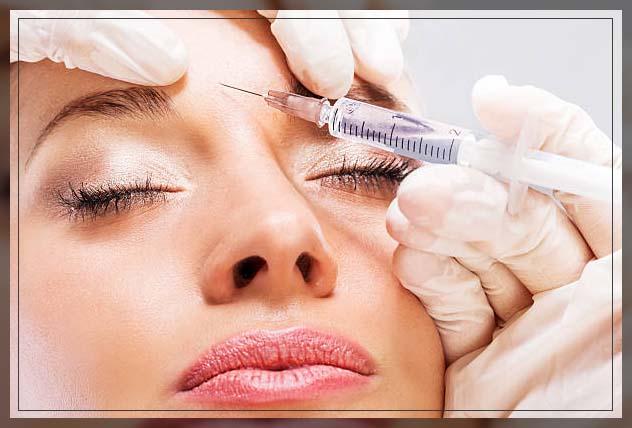
Crow's feet are the fine lines and wrinkles that develop around the outer corners of the eyes. They often become more noticeable when smiling, laughing, squinting, or making other facial expressions. Although these lines are a natural part of facial ageing, some people prefer to soften their appearance to achieve a smoother and more refreshed look.
Botox Injections in Dubai have become a popular option for individuals who want to address crow's feet without undergoing surgery. The treatment works by temporarily relaxing specific facial muscles responsible for creating expression-related wrinkles. When performed with an appropriate technique, it can soften existing lines while preserving a natural-looking smile.
However, treating the delicate eye area requires careful assessment, accurate injection placement, and an understanding of individual facial anatomy. The amount of Botox needed, the location of injections, and the expected results can vary from one person to another.
Dr. Camellia Kamyab focuses on understanding individual facial features and aesthetic goals when considering injectable treatments. Knowing how Botox works around the eyes can help patients make informed decisions about their treatment.
What Are Crow's Feet and Why Do They Develop?
Crow's feet are wrinkles that appear around the outer corners of the eyes. They usually extend outward from the corners in a pattern that resembles a bird's foot, which is how they received their name.
These lines primarily develop because of repeated facial movements. Every time someone smiles, laughs, or squints, the orbicularis oculi muscles contract. These circular muscles surround the eyes and help close the eyelids.
When the skin is young and elastic, it generally returns to its original position after facial movements. However, as collagen and elastin production gradually decrease, the skin becomes less resilient. Repeated muscle contractions can then contribute to lines that remain visible even when the face is relaxed.
Several factors influence how early and how noticeably crow's feet develop:
- Natural ageing: Changes in collagen, elastin, and skin thickness can make expression lines more visible.
- Facial expressions: Frequent smiling and squinting contribute to repeated skin folding around the eyes.
- Sun exposure: Ultraviolet radiation can accelerate visible skin ageing.
- Genetics: Inherited skin characteristics can influence wrinkle development.
- Skin hydration: Dehydrated skin may make fine lines appear more noticeable.
Understanding these factors helps explain why crow's feet do not look the same in everyone and why treatment should be individually planned.
How Does Botox Work for Crow's Feet?
Botox is a purified form of botulinum toxin type A that is used in carefully controlled amounts for aesthetic treatments. It works by temporarily reducing communication between specific nerves and the muscles they activate.
For crow's feet, the treatment focuses on selected areas of the orbicularis oculi muscle. By reducing the strength of muscle contractions, Botox helps limit the repeated folding of the skin around the outer eye area.
The objective is not to completely stop facial movement. Instead, an experienced practitioner aims to reduce excessive muscle activity while allowing the patient to smile and express emotions naturally.
This distinction is particularly important when treating the eye area because the muscles surrounding the eyes contribute to expressions that make a person's face look lively and recognisable.
Botox is most effective for dynamic wrinkles, which are lines that become more noticeable during facial expressions. Fine lines that remain visible when the face is completely relaxed may require a broader skin-rejuvenation approach depending on their depth and underlying causes.
Which Areas Around the Eyes Can Be Treated?
Crow's feet generally appear along the outer sides of the eyes, but their pattern and extent differ between individuals. Some people develop short, fine lines close to the eye, while others have deeper wrinkles that extend towards the temples.
Botox treatment may target selected points around the lateral eye area, depending on the patient's muscle activity and wrinkle distribution.
The main treatment considerations include:
Outer Eye Corners: These are the most common areas treated for crow's feet. Reducing muscle contraction here can soften the lines that appear when smiling.
Upper Lateral Eye Area: Some individuals develop wrinkles that extend slightly upwards or outwards from the eye corners. Treatment planning considers the direction and strength of muscle movement.
Lower Lateral Eye Area: Fine lines may also appear below the outer corners of the eyes. This area requires particularly careful assessment because of the delicate surrounding structures.
Not everyone needs treatment in all these areas. The injection pattern should be determined through an individual facial assessment rather than following a standard placement for every patient.
What Happens During a Botox Appointment?
A Botox appointment generally begins with a consultation to understand the patient's concerns, medical background, facial movements, and desired outcome.
The practitioner may ask the patient to smile, squint, and relax their face. These movements help identify the muscles responsible for the visible wrinkles and show how the skin changes during different expressions.
The appointment usually involves several stages.
Initial Facial Assessment
The practitioner examines the appearance of crow's feet when the face is relaxed and during smiling. This helps distinguish dynamic expression lines from wrinkles that remain visible at rest.
Facial symmetry, muscle strength, skin quality, and the natural position of the eyebrows are also considered.
Treatment Planning
An individual treatment plan is developed based on the location and depth of the wrinkles. The practitioner determines the appropriate injection points and dosage according to the patient's anatomy and aesthetic goals.
People with stronger facial muscle activity may require a different approach from those with relatively mild muscle contractions.
Preparing the Treatment Area
The skin around the eyes is cleaned before the procedure. The practitioner may identify the planned injection points to guide accurate placement.
Administering Botox
Small amounts of Botox are injected into selected muscles using a fine needle. The number of injections depends on the treatment plan and the distribution of crow's feet.
The procedure is generally brief, and patients can usually return to their normal daily activities afterwards, following the practitioner's instructions.
How Much Botox Is Needed for Crow's Feet?
There is no single dosage that is suitable for everyone. The amount of Botox required depends on several factors, including muscle strength, wrinkle severity, facial anatomy, and the patient's preferred appearance.
Someone with pronounced crow's feet and strong muscle contractions may need a different dosage from someone with mild expression lines.
The practitioner's goal is to achieve an appropriate reduction in muscle activity without creating an overly restricted appearance.
Using more Botox does not automatically produce better results. A personalised dosage is important because the eye area requires a balance between wrinkle reduction and natural facial expression.
During consultation, the practitioner can explain the recommended dosage and how it relates to the patient's individual facial characteristics.
When Will You See Results After Botox?
Botox does not produce its full effect immediately. The treatment gradually reduces muscle activity over the days following the injections.
Some patients begin noticing changes within three to five days, while the full effect generally develops over approximately 10 to 14 days.
As the muscles become less active, crow's feet may appear softer when smiling or squinting. The degree of improvement depends on the initial wrinkle depth, muscle strength, and individual response to treatment.
A follow-up assessment may help the practitioner evaluate the outcome once the treatment has fully developed. This also provides an opportunity to discuss whether the results match the patient's expectations.
How Long Do Crow's Feet Botox Results Last?
Results from Botox treatment for crow's feet are temporary. In many individuals, the effects last approximately three to four months, although the duration varies.
Several factors can influence how long the results remain noticeable:
- Individual metabolism and response to treatment.
- Strength and activity of the treated muscles.
- Dosage and injection technique.
- Previous experience with Botox.
- Natural changes in facial muscle activity over time.
As the effects gradually wear off, muscle movement returns and expression lines may become visible again.
Patients who wish to maintain their results can discuss an appropriate treatment schedule with their practitioner. Appointments should be based on individual needs rather than following an unnecessarily frequent injection routine.
How Can You Maintain a Natural Appearance After Treatment?
One of the main concerns people have about Botox is whether their facial expressions will look different. When treatment is carefully planned, the objective is to soften wrinkles without removing the natural movement that makes the face expressive.
Several considerations help support a balanced outcome.
Individual Muscle Assessment: Understanding how strongly the muscles contract helps determine the appropriate treatment approach.
Conservative Treatment Planning: The practitioner should consider the patient's preferences and avoid unnecessary muscle relaxation.
Accurate Injection Placement: The location and depth of injections influence how the surrounding muscles respond.
Facial Symmetry: Both sides of the face should be assessed to understand differences in muscle strength and movement.
Appropriate Follow-Up: Reviewing the results after the treatment has developed allows the practitioner to assess the overall appearance.
A natural-looking result should complement the patient's existing facial features rather than make the eye area appear noticeably different.
What Can You Do to Support Healthy Skin Around the Eyes?
Botox addresses muscle-related expression lines, but maintaining healthy skin around the eyes also involves an appropriate skincare routine.
The skin surrounding the eyes is relatively delicate, so consistent care can help support its appearance and overall condition.
Some useful habits include:
- Applying broad-spectrum sunscreen regularly to protect against ultraviolet exposure.
- Wearing sunglasses outdoors to reduce squinting in bright conditions.
- Using a gentle moisturiser suitable for the eye area.
- Avoiding unnecessary rubbing or pulling of the delicate skin.
- Maintaining adequate hydration.
- Following a consistent skincare routine recommended for your skin type.
These habits do not replace Botox treatment, but they can complement an overall approach to facial skin maintenance.
Is Botox Suitable for Everyone With Crow's Feet?
Botox may be suitable for adults who want to soften expression-related wrinkles around the eyes. However, suitability depends on individual circumstances and should be established during a professional consultation.
People with very fine dynamic lines may benefit from a different treatment approach compared with those who have deeper wrinkles that remain visible at rest.
The consultation should also consider previous injectable treatments, medical history, current medications, and individual expectations. Pregnancy, breastfeeding, certain neuromuscular conditions, and allergies to treatment ingredients may affect suitability.
Patients should provide complete and accurate information so the practitioner can determine whether Botox is an appropriate option.
Why Choose a Personalised Approach to Botox in Dubai?
The eye area is one of the most expressive parts of the face. Even small differences in muscle strength and injection placement can influence the overall result.
A personalised approach is therefore important when considering Botox in dubai
for crow's feet.
Dr. Camellia Kamyab considers individual facial anatomy, wrinkle patterns, muscle activity, and aesthetic preferences when planning treatment. Rather than using an identical injection pattern for every patient, the consultation helps establish an approach that reflects the person's natural features.
Patients should also feel comfortable discussing their expectations, asking questions about dosage, and understanding the likely timeline of results.
Choosing a qualified medical practitioner who understands facial anatomy and has experience with injectable treatments is an important part of making an informed decision.
Conclusion
Crow's feet are a natural part of facial ageing and develop primarily through repeated contractions of the muscles surrounding the eyes. Although these lines are normal, some individuals prefer to soften their appearance while maintaining natural facial expressions.
Botox Injections in Dubai offer a non-surgical approach to treating dynamic wrinkles around the outer corners of the eyes. By temporarily reducing the activity of selected muscles, the treatment can help create a smoother and more refreshed appearance.
However, successful treatment depends on more than simply administering injections. Understanding muscle strength, wrinkle distribution, facial anatomy, dosage, and individual expectations is essential when developing an appropriate treatment plan.
Dr. Camellia Kamyab can assess individual concerns and discuss whether Botox is suitable for crow's feet. A professional consultation provides an opportunity to understand the treatment process, expected results, and the approach best suited to your facial features.
Frequently Asked Questions About Botox for Crow's Feet
1. What are crow's feet?
Crow's feet are fine lines and wrinkles that develop around the outer corners of the eyes. They are usually more noticeable when smiling, laughing, or squinting because of repeated contractions of the muscles surrounding the eyes.
2. Can Botox completely remove crow's feet?
Botox can significantly soften dynamic crow's feet by temporarily reducing the muscle activity responsible for expression lines. However, it may not completely remove deeper wrinkles that remain visible when the face is relaxed.
3. How long does Botox take to work for crow's feet?
Initial improvements may become noticeable within three to five days. The full effect generally develops within 10 to 14 days, although individual responses can vary.
4. How long do Botox results around the eyes last?
Results commonly last around three to four months. The duration depends on individual muscle activity, metabolism, dosage, and response to treatment.
5. Does Botox affect your smile?
When appropriately administered, Botox aims to soften crow's feet while preserving natural facial expressions. The practitioner considers individual muscle anatomy and smile patterns when selecting injection points and dosage.
6. How many Botox injections are needed for crow's feet?
The number of injections varies according to the patient's wrinkle pattern, muscle strength, and treatment plan. A practitioner determines the injection points during the initial facial assessment.
7. Can younger adults get Botox for crow's feet?
Some younger adults develop expression lines around the eyes and may consider Botox. Suitability depends on individual concerns, medical history, and professional assessment rather than age alone.
8. Is Botox effective for wrinkles visible without smiling?
Botox is primarily effective for dynamic wrinkles caused by muscle movement. Lines that remain visible when the face is relaxed may need additional skin-rejuvenation approaches depending on their depth and skin condition.
9. Can Botox for crow's feet be combined with other facial treatments?
Yes, Botox may be incorporated into a broader facial rejuvenation plan. Other treatments may address skin texture, hydration, or volume changes. The appropriate combination depends on individual needs and should be discussed with a qualified practitioner.
10. How can I book a Botox consultation with Dr. Camellia Kamyab in Dubai?
You can visit the official Dr. Camellia Kamyab website and explore the Botox treatment page to learn more about the service and arrange a consultation. During the appointment, your facial features, concerns, and aesthetic goals can be assessed to determine an appropriate treatment plan.

 English
 Arabic
 French
 Portuguese
 Deutsch
 Turkish
 Dutch
 Italiano
 Russian
 Romaian
 Portuguese (Brazil)
 Greek
