

How to Choose a Suitable Laser Tattoo Removal Treatment
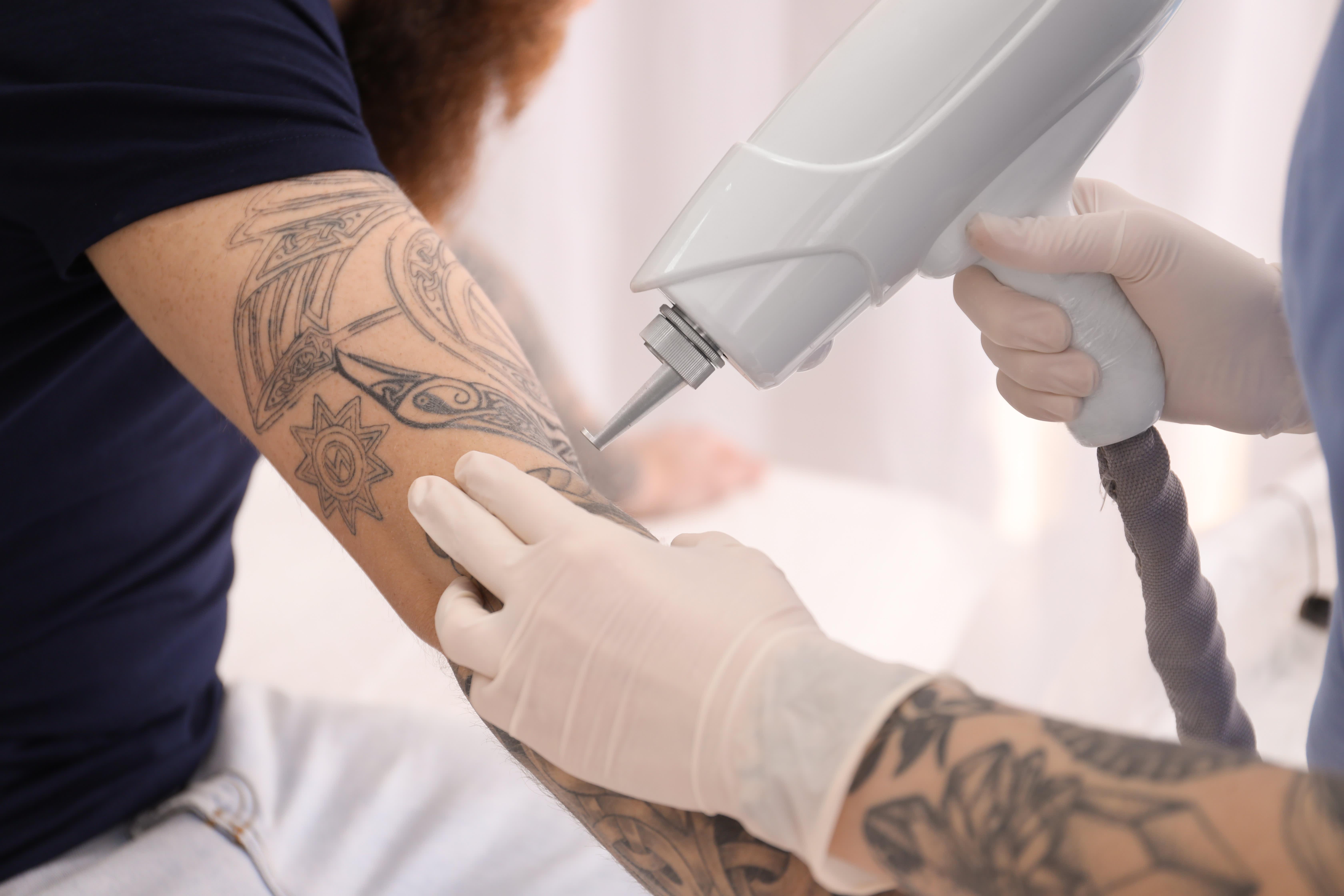
Tattoo removal has become an increasingly popular option for people who want to remove unwanted tattoos, fade old ink, or prepare their skin for a new design. Whether a tattoo no longer reflects your personality or you are unhappy with its appearance, choosing the right removal treatment is essential for achieving safe and satisfactory results. However, not every tattoo responds to the same laser technology, and several factors influence the removal process.
Choosing a suitable laser tattoo removal in Islamabad treatment requires understanding your tattoo's characteristics, skin type, available laser technologies, and the qualifications of the treatment provider. A professional assessment helps determine which approach is appropriate for your individual needs while reducing the risk of unwanted skin reactions.
Understand How Laser Tattoo Removal Works
Laser tattoo removal uses concentrated light energy to break tattoo ink into smaller particles. The body's natural immune system gradually processes and eliminates these particles over time.
Different ink colours absorb different wavelengths of laser energy. Therefore, the choice of laser depends on the tattoo's colour, depth, and ink composition.
Common technologies include:
-
Q-switched lasers: These lasers deliver short energy pulses to target tattoo pigments and are commonly used for different ink colours.
-
Picosecond lasers: These devices deliver extremely short pulses and can help break pigment into smaller particles.
-
Nd:YAG lasers: Available in different wavelengths, these lasers are frequently used for darker tattoo pigments and may be suitable for various skin tones when properly selected.
A qualified practitioner should recommend the technology according to your tattoo and skin characteristics rather than choosing a laser based only on its popularity.
Consider Your Skin Type and Tattoo Characteristics
One of the most important steps in selecting laser tattoo removal is evaluating your skin and tattoo. Different skin tones respond differently to laser energy, and inappropriate settings may increase the risk of pigmentation changes or burns.
Before selecting a treatment, consider the following factors:
Skin Type: Your natural skin tone and tendency to develop pigmentation changes influence laser selection and treatment settings.
Tattoo Colour: Black and dark blue inks often respond differently from green, yellow, red, and lighter pigments. Some colours require specific wavelengths and may be more difficult to remove.
Tattoo Age: Older tattoos may have already experienced some natural fading, although their response to laser treatment varies.
Ink Depth and Density: Professional tattoos may contain more concentrated or deeply deposited ink, potentially requiring additional sessions.
Tattoo Size and Location: Larger tattoos generally require more treatment time. Areas with different blood circulation may also respond differently.
A proper evaluation helps establish realistic expectations and an appropriate treatment plan.
Choose the Right Laser Technology
Not every laser treatment is suitable for every tattoo. Understanding the available technology can help you discuss appropriate options with your practitioner.
Here are some important considerations:
-
For black tattoos: Certain Nd:YAG laser wavelengths are commonly used to target dark pigments.
-
For coloured tattoos: Different wavelengths may be needed depending on the specific ink colour.
-
For complex tattoos: A combination of wavelengths may be considered when multiple ink colours are present.
-
For sensitive skin: Treatment settings should be adjusted carefully according to skin characteristics and medical history.
Avoid selecting a clinic simply because it advertises the latest laser machine. The practitioner's ability to assess the tattoo and use appropriate settings is equally important.
Check the Clinic's Experience and Safety Standards
Selecting a qualified clinic is just as important as choosing the right laser technology. Laser tattoo removal requires technical knowledge, appropriate equipment, and an understanding of skin reactions.
Before booking an appointment, evaluate the following:
-
Qualified professionals: Check the credentials and relevant experience of the person performing the procedure.
-
Suitable equipment: Ask about the laser technology, wavelengths, and whether the equipment is appropriate for your tattoo.
-
Hygiene standards: The treatment environment should follow proper cleaning and infection-control practices.
-
Consultation process: A responsible clinic should assess your skin, tattoo, and medical history before treatment.
-
Aftercare guidance: You should receive clear instructions about protecting and caring for the treated area.
A trustworthy provider will explain possible side effects, limitations, expected sessions, and realistic outcomes instead of promising complete removal.
Understand the Number of Sessions and Recovery Time
Laser tattoo removal is usually a gradual process rather than a one-time procedure. Multiple sessions are commonly required because the body needs time to process the fragmented ink particles.
The number of sessions depends on several factors:
-
Tattoo size, colour, and ink density.
-
Type and depth of tattoo pigment.
-
Skin characteristics and individual healing response.
-
Laser technology and treatment settings.
-
Spacing between treatment sessions.
Temporary redness, swelling, tenderness, blistering, or changes in pigmentation may occur after treatment. Your practitioner should explain which reactions are expected and when medical assessment is necessary.
Allowing adequate recovery time between sessions is important. Avoid rushing the process, as treating the same area too frequently may increase the risk of complications.
Follow Proper Aftercare Instructions
Aftercare plays an important role in supporting skin recovery following laser tattoo removal. Even when the treatment is performed correctly, neglecting aftercare can increase irritation and infection risks.
Follow these general recommendations:
-
Keep the treated area clean and follow your practitioner's wound-care instructions.
-
Avoid scratching, picking, or removing blisters.
-
Protect the treated skin from direct sunlight.
-
Avoid applying harsh skincare products until the skin has healed.
-
Do not expose the treated area to unnecessary friction.
-
Contact your healthcare provider if you notice increasing pain, spreading redness, pus, or fever.
Always follow the specific instructions provided by your treatment professional because aftercare requirements may vary.
Consider a Professional Clinic in Islamabad
Finding a suitable laser tattoo removal clinic in Islamabad involves more than comparing treatment prices. Patients should prioritise professional assessment, appropriate laser technology, hygiene, and transparent communication.
SKN Cosmetics in Islamabad is an option patients can consider when exploring professional aesthetic and skin treatment services. Before proceeding with laser tattoo removal, individuals should discuss their tattoo characteristics, skin type, treatment expectations, and medical history during a consultation. Ask the clinic about its available laser technology, practitioner qualifications, safety protocols, expected treatment sessions, and aftercare support. These details can help patients make an informed decision and understand whether the proposed treatment is appropriate for their needs.
Make an Informed Decision Before Starting Treatment
Choosing a suitable laser tattoo removal treatment requires careful research and professional guidance. Instead of focusing only on price or advertising claims, evaluate the technology, practitioner's experience, clinic standards, and personalised treatment approach.
Remember these key points before booking:
-
Get a professional tattoo and skin assessment.
-
Understand which laser technology is recommended and why.
-
Discuss possible risks and realistic removal expectations.
-
Ask about session intervals and overall treatment costs.
-
Follow all recommended aftercare instructions.
The right treatment plan should prioritise skin safety while considering your desired results. A personalised approach and realistic expectations can help you make a more confident decision about removing an unwanted tattoo.
Frequently Asked Questions (FAQs)
Q1. Which laser is best for tattoo removal?
Q-switched and picosecond lasers are commonly used. The suitable option depends on tattoo colour, skin type, and ink depth.
Q2. How many sessions are needed for tattoo removal?
Most tattoos require multiple sessions, depending on their size, colour, density, and individual response.
Q3. Is laser tattoo removal safe?
It can be performed safely by qualified professionals using appropriate equipment and settings, although side effects are possible.
Q4. Can all tattoo colours be removed?
No. Some colours, particularly certain green, yellow, and light pigments, can be more difficult to remove.
Q5. Does laser tattoo removal leave scars?
Scarring is possible but can be reduced through proper treatment techniques and appropriate aftercare.

 English
 Arabic
 French
 Spanish
 Portuguese
 Deutsch
 Turkish
 Dutch
 Italiano
 Russian
 Romaian
 Greek
