

Choosing Rhinoplasty Surgery in Dubai
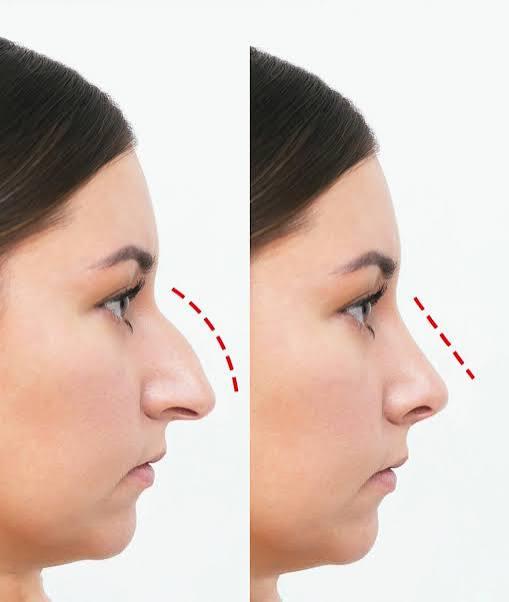
Deciding to undergo nose reshaping requires careful thought, research, and a clear understanding of the available options. People may consider surgery to improve nasal proportions, refine a particular feature, or address structural concerns that affect breathing. Choosing Rhinoplasty Surgery in Dubai involves evaluating more than the desired appearance; it also means understanding professional qualifications, surgical techniques, safety measures, and recovery requirements.
A well-informed decision begins with identifying personal goals and learning whether surgery is an appropriate option.
Identify Your Main Reasons for Considering Surgery
Before exploring treatment options, consider which aspects of your nose you would like to address. Some individuals are concerned about a prominent bridge, while others want to refine the tip, improve nasal alignment, or correct changes caused by an injury.
It is useful to distinguish between appearance-related concerns and functional problems. If breathing is affected, an assessment of the internal nasal structure may be necessary.
Having clear priorities can make the consultation more productive and help establish realistic goals.
Check Professional Qualifications and Experience
One of the most important considerations is the professional responsible for planning and performing the procedure. Patients should verify that the surgeon has appropriate specialist qualifications and an active licence to practise in Dubai.
Experience with nasal procedures is also relevant because rhinoplasty requires an understanding of bone, cartilage, skin, and nasal function. Patients can ask about the surgeon's experience with procedures similar to the one being considered.
It is equally important to understand who will provide anaesthesia and where the surgery will take place.
Understand the Available Surgical Techniques
Rhinoplasty can be performed using different approaches, and the choice depends on the patient's anatomy and treatment requirements.
Open Rhinoplasty
This approach involves a small incision across the columella, the tissue between the nostrils. It can provide direct access to the nasal framework and may be considered for more complex structural adjustments.
Closed Rhinoplasty
In this approach, incisions are made inside the nostrils. It may be appropriate for selected procedures where the required changes can be performed through internal access.
Neither technique is automatically better for everyone. The appropriate method should be explained according to the individual's nasal structure and desired changes.
Review the Treatment Plan Carefully
A personalised treatment plan should identify the areas being addressed and explain the expected changes. Patients should understand whether the procedure focuses on the bridge, tip, nostrils, septum, or several structures.
The consultation should also cover the limitations of surgery. For example, skin thickness and cartilage strength can influence how much refinement is possible.
Ask how the planned changes will complement your facial proportions rather than focusing only on making the nose smaller or copying a particular appearance.
Discuss Risks and Safety Measures
Every surgical procedure involves potential risks. Rhinoplasty complications may include bleeding, infection, anaesthesia-related problems, persistent swelling, changes in sensation, breathing difficulties, or dissatisfaction with the outcome.
Before proceeding, patients should receive clear information about these possibilities and how complications are managed. They should also understand the facility's safety arrangements, preoperative assessments, and postoperative support.
A decision should never be based only on promotional photographs or promises of guaranteed results.
Consider the Total Recovery Commitment
Recovery is an important part of choosing Rhinoplasty Surgery in Dubai. The first stage may involve bruising, swelling, and temporary congestion, while deeper healing continues for several months.
Patients should consider their work responsibilities, travel plans, and personal commitments before selecting a surgery date. They should also arrange assistance for the journey home and the initial recovery period when required.
Understanding the expected healing timeline helps avoid unrealistic expectations about when the final result will become visible.
Evaluate Before-and-After Photographs Carefully
Photographs can help patients understand the types of improvements that may be possible. However, images should be viewed as examples rather than guarantees.
Look for cases involving similar nasal characteristics and discuss how individual differences may influence the result. Lighting, camera angles, facial expressions, and the stage of healing can all affect how photographs appear.
A responsible consultation should explain what is achievable for your own anatomy.
Ask Important Questions During Consultation
Before making a final decision, patients should feel comfortable asking about the recommended technique, expected results, possible complications, anaesthesia, recovery instructions, and follow-up appointments.
It is also reasonable to ask what happens if healing does not progress as expected or if additional treatment is needed. Clear answers can help patients understand the entire process before agreeing to surgery.
Making a Confident and Informed Choice
Choosing nasal surgery is a personal decision that should be based on accurate information rather than pressure or unrealistic expectations. Reviewing professional credentials, understanding the surgical plan, discussing risks, and considering recovery can help patients make a thoughtful choice.
Rhinoplasty Surgery in Dubai may be an option for individuals seeking selected aesthetic or functional improvements. At TAJMEELS CLINIC, patients can discuss their concerns, learn about suitable treatment approaches, and explore their options with a focus on individual nasal anatomy and realistic goals.
For More Details, Contact Us Through:
WhatsApp: +971 56 203 8751
Phone: +971 4 373 9000
Social Media:

 English
 Arabic
 French
 Portuguese
 Deutsch
 Turkish
 Dutch
 Italiano
 Russian
 Romaian
 Portuguese (Brazil)
 Greek
