

Baseball Bats Canada: Choosing the Right Bat for Training and Competition
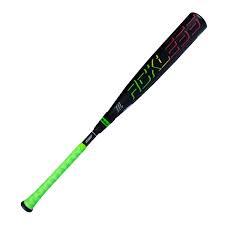
Baseball is a sport that requires coordination, timing, strength, and concentration. Whether someone is learning the fundamentals or playing in a competitive league, having suitable equipment can make a meaningful difference to their experience. A baseball bat is one of the most important pieces of equipment because it directly influences how a player makes contact with the ball, develops their swing, and performs at the plate.
Selecting the right bat involves more than choosing a preferred colour or design. Players need to consider factors such as length, weight, material, barrel diameter, grip, and league regulations. Age, physical strength, experience, and personal hitting style also influence which bat may be appropriate. Understanding these features can help athletes and parents compare available options and make a practical decision.
Why Choosing the Right Baseball Bat Matters
A baseball bat is designed to help players hit the ball with control and consistency. Its length, weight distribution, and construction can affect swing mechanics and the player's ability to make solid contact. A bat that feels comfortable can help athletes develop better timing and confidence during practice and games.
Using a bat that is too heavy may make it difficult to maintain proper swing mechanics. Players might struggle to generate bat speed or complete their swing smoothly. On the other hand, a bat that is too light may not provide the feel or balance a player prefers. Finding an appropriate weight is therefore an important part of selecting equipment.
Comfort also matters during repeated practice. Players often take numerous swings during training sessions, so the handle, grip, and overall balance should feel manageable. A suitable bat allows athletes to focus on their technique rather than constantly adjusting to uncomfortable equipment.
Understanding Different Types of Baseball Bats
Baseball Bats Canada is a useful starting point for players and families who want to explore baseball bat options and compare different designs. Bats are available in several materials and constructions, each offering different characteristics. Understanding these differences helps buyers identify equipment that matches their playing level, preferences, and competition requirements.
Wooden bats are traditionally associated with professional baseball and certain amateur leagues. They are commonly made from materials such as maple, ash, and birch. Each type of wood has its own characteristics related to hardness, flexibility, grain structure, and feel. Players who practise with wooden bats may develop a better understanding of contact and swing control.
Aluminium bats are popular in many youth and amateur baseball environments. They are generally valued for their durability and consistent construction. Composite bats use engineered materials and may feature different weight distributions and performance characteristics. Some models combine materials to create hybrid designs. Before choosing any type, players should check which construction is permitted in their league.
Selecting the Correct Bat Length
Bat length is one of the first measurements players should consider. A bat that is too long may feel difficult to control, while one that is too short may not provide the reach a player needs. The goal is to find a length that allows comfortable movement and a controlled swing.
Age and height can provide a starting point when comparing bat sizes. However, these measurements should not be the only factors. Two players of the same age or height may have different strength levels, body proportions, and swing mechanics. Personal comfort should therefore remain part of the selection process.
Players can use a bat-sizing chart to identify a recommended starting range. After that, they should consider how the bat feels during practice movements. A suitable length should allow the player to maintain balance and move the bat through the hitting zone without unnecessary strain.
Parents should pay attention to growing athletes because their equipment requirements may change over time. A bat that was comfortable at the beginning of a season may become less suitable as a young player develops physically. Reviewing the size periodically can help ensure that the equipment continues to match the player's needs.
Understanding Bat Weight and Drop Weight
Bat weight influences how easily a player can swing and control the equipment. A heavier bat may feel more substantial, but it can also require greater strength and coordination. A lighter model may be easier to move quickly, although players should still consider how its balance feels during a complete swing.
Drop weight is another important measurement. It is calculated by subtracting the bat's weight in ounces from its length in inches. For example, a bat measuring 30 inches and weighing 20 ounces has a drop weight of -10. This measurement helps buyers compare the relationship between length and weight across different models.
Players should avoid choosing a bat based only on its advertised drop weight. Two bats with the same measurement may still feel different because of their construction and weight distribution. Testing the balance and considering personal swing mechanics can provide a better understanding of whether a particular model is appropriate.
Bat Materials and Their Characteristics
The material used in a bat can influence its feel, durability, maintenance requirements, and performance characteristics. Wooden bats offer a traditional hitting experience and are available in different wood types. Maple is generally known for its hardness, while ash is often associated with a more flexible feel. Birch provides characteristics that fall between those commonly associated with maple and ash.
Aluminium bats are widely used in many youth baseball settings. They are manufactured in different designs and may offer a relatively consistent feel over repeated use. Their construction can make them a practical choice for players who participate in regular training and games.
Composite bats are made using engineered materials and may feature specific weight distribution and construction designs. Hybrid models combine materials, such as an aluminium barrel with a composite handle. Buyers should review manufacturer information carefully because construction, certification, and approved use can vary between models.
Sport Excellence: Exploring Baseball Bats and Sports Equipment
Sport Excellence provides an online platform where athletes, parents, and sports enthusiasts can explore products for different sporting activities. Its baseball bat collection offers customers a relevant place to browse available equipment and compare options according to their requirements. Players can review individual product descriptions to understand the construction, measurements, and intended use of different models.
The Sport Excellence website gives customers a starting point for exploring sports equipment and accessories. When browsing its collection, buyers should consider bat length, weight, material, league requirements, and personal comfort. Checking the product specifications can help customers understand the differences between available options before making a decision.
Parents and coaches can also use product information to guide younger athletes. Choosing equipment that matches a player's current ability and physical development can make practice more comfortable. Comparing different measurements and reviewing manufacturer recommendations helps families make informed choices as players progress through different stages of the sport.
Choosing a Bat for Different Playing Levels
Players at different stages of development may have different equipment requirements. Beginners generally benefit from a bat that feels comfortable and manageable. Learning to maintain balance, develop a consistent stance, and coordinate the swing is often more important than selecting advanced equipment.
Youth players need bats that match their size and strength. A suitable length and weight can help them practise proper mechanics without unnecessary difficulty. Parents should avoid selecting a bat simply because it is longer or heavier than the player's current equipment. The most important consideration is whether the athlete can control it comfortably.
Experienced and competitive players may have more specific preferences. They might consider barrel construction, balance, handle design, and the overall feel of the bat. Players who participate in organized leagues should also confirm that the selected model meets the relevant certification standards and competition rules.
Understanding Barrel Diameter and Bat Balance
The barrel is the wider part of a baseball bat that makes contact with the ball. Barrel diameter can influence the bat's overall design and the size of its hitting surface. Different leagues may have specific requirements regarding permitted barrel dimensions, so buyers should check the rules before purchasing equipment.
Bat balance is another feature worth considering. Some bats are designed with a more balanced weight distribution, while others have more weight toward the barrel. Balanced designs may feel easier for certain players to control through the swing. End-loaded designs can feel different and may suit athletes who prefer additional weight toward the hitting end.
There is no single balance type that works for everyone. Players should consider their strength, swing speed, and personal comfort. Comparing product specifications and testing different designs, when possible, can help identify a suitable option.
Grip, Handle Design, and Comfort
The handle is the part of the bat that players hold during their swing. Its thickness, shape, and grip material can influence comfort and control. A handle that feels too large or too small may make it difficult to maintain a secure hold throughout a hitting session.
Some bats include a factory-installed grip, while others allow players to add or replace grip tape. Additional grip material may provide cushioning or a different surface texture. Players should select an option that feels secure without restricting natural hand movement.
Grip condition also deserves attention. Over time, regular use can cause grip material to become worn, loose, or uncomfortable. Replacing damaged grip tape can help maintain a consistent feel and make the bat more comfortable to use during training.
Checking League Certifications and Bat Regulations
Before purchasing a baseball bat, players should confirm that it is approved for their intended league or competition. Different organizations may follow different standards depending on the age group and level of play. Certification markings can help identify whether a bat meets the requirements of a particular competition.
Some leagues use specific standards for bat performance, construction, or barrel dimensions. A bat that is permitted in one competition may not be accepted in another. Players and parents should review official league rules rather than assuming that every commercially available model is suitable.
Checking these details before buying can prevent unnecessary inconvenience during registration, training, or match preparation. Coaches and league administrators can also provide guidance about approved equipment for a particular age group.
Maintaining and Caring for Baseball Bats
Proper care can help keep a baseball bat in suitable condition. Players should inspect the barrel, handle, grip, and end cap regularly for visible damage. Cracks, dents, loose components, or significant changes in the bat's condition may indicate that it should no longer be used.
Storage also plays an important role. Bats should be kept in a dry location and protected from extreme temperatures. Leaving equipment inside a hot vehicle for extended periods may affect certain materials, particularly composite constructions. Following the manufacturer's storage recommendations can help preserve the bat.
Players should also use their bats according to the intended purpose. Some models are designed for specific types of baseballs or playing environments. Avoiding unsuitable use and checking product instructions can help reduce unnecessary wear. Regular inspection before practice and competition is a simple way to maintain equipment responsibly.
Conclusion
Choosing a suitable baseball bat involves understanding several important features, including length, weight, drop weight, material, barrel diameter, handle design, and balance. Each factor can influence comfort and swing control, so players should compare available options according to their age, strength, experience, and playing requirements.
It is equally important to check league certifications and follow manufacturer recommendations. Regular inspection, suitable storage, and proper maintenance can help preserve equipment throughout the season. By considering these details and reviewing product specifications carefully, players and families can select a bat that supports comfortable practice, skill development, and confident participation in baseball.

 English
 Arabic
 French
 Spanish
 Portuguese
 Deutsch
 Turkish
 Dutch
 Italiano
 Russian
 Romaian
 Portuguese (Brazil)
