

Nose Surgery in Dubai: Exploring Surgical Options for Better Breathing
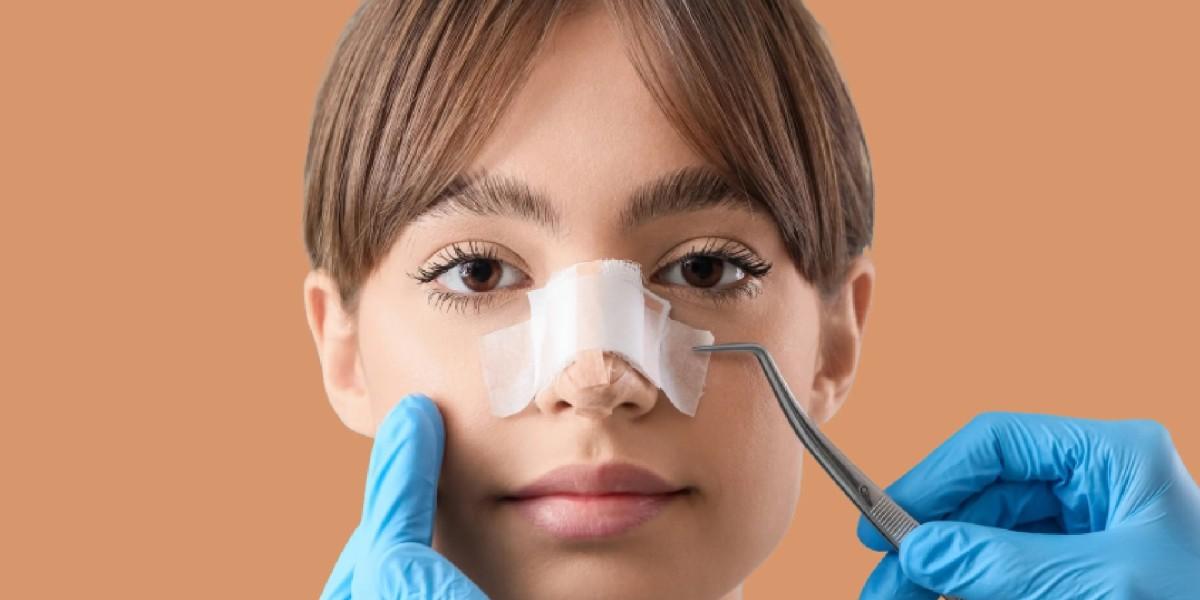
Breathing comfortably is essential for good health, restful sleep, physical activity, and overall quality of life. However, nasal obstruction, structural irregularities, a deviated septum, enlarged turbinates, and other nasal conditions can make normal breathing difficult. Nose Surgery in Dubai offers patients an opportunity to explore surgical treatments designed to improve nasal function while considering the overall structure of the nose. At Perfect Doctors Clinic, patients can learn about different surgical approaches, understand their options, and discuss treatment plans based on their individual needs.
Modern nasal surgery focuses on more than external appearance. Although many people associate nose surgery with cosmetic improvements, several procedures are performed primarily to correct internal structural problems and improve airflow. Depending on the patient's condition, a surgeon may recommend septoplasty, turbinate reduction, functional rhinoplasty, or a combination of procedures. Understanding these options helps patients make informed decisions and establish realistic expectations.
Patients researching Rhinoplasty Dubai, Rhinoplasty in Dubai, and Nose Surgery cost in Dubai should understand that the most appropriate treatment depends on the underlying nasal concern. A detailed assessment is important before selecting a procedure because nasal obstruction can have several different causes.
Understanding the Purpose of Nose Surgery in Dubai
Nose surgery includes several surgical procedures that address the structure, function, or appearance of the nose. Some operations focus on improving airflow, while others reshape the nasal framework. In certain cases, functional and cosmetic concerns can be addressed during the same surgical treatment.
The nose contains several important structures, including nasal bones, cartilage, the septum, turbinates, and internal nasal passages. These structures work together to filter, warm, and humidify incoming air. When one or more structures become obstructed or incorrectly positioned, breathing may become uncomfortable.
Common reasons patients consider nasal surgery include:
- Persistent nasal congestion or obstruction.
- A deviated nasal septum.
- Enlarged nasal turbinates.
- Structural irregularities following an injury.
- Difficulty breathing through one or both nostrils.
- Nasal valve collapse.
- Certain structural conditions affecting airflow.
- Cosmetic concerns involving the shape or proportions of the nose.
The correct surgical approach depends on identifying the source of the problem. For this reason, an appropriate examination is an essential part of the treatment process.
How Nasal Structure Affects Breathing
The nasal passages provide the main route for air entering the respiratory system. Their internal structure influences how easily air travels through the nose. Even a relatively small structural irregularity can contribute to noticeable breathing difficulties.
The Role of the Nasal Septum
The nasal septum is the wall separating the left and right nasal passages. It consists of cartilage and bone. Ideally, it should be positioned relatively centrally, allowing air to move through both sides of the nose.
A deviated septum occurs when this wall is displaced towards one side. Some people are born with this condition, while others develop it following an injury or changes during growth. Depending on the degree of deviation, it may narrow one nasal passage and contribute to persistent obstruction.
The Function of Nasal Turbinates
Turbinates are structures inside the nose covered with a specialised lining. They help regulate airflow, warm incoming air, and maintain moisture. However, when these structures become enlarged, they may reduce the available space inside the nasal passages.
Enlarged turbinates can be associated with allergies, chronic inflammation, and other nasal conditions. Treatment may involve medication or a surgical procedure, depending on the cause and severity.
Understanding Nasal Valve Problems
The nasal valve is one of the narrowest areas of the nasal airway. It plays an important role in controlling airflow. Weakness or narrowing in this region may contribute to breathing difficulties, particularly during physical activity or deep inhalation.
A specialist may evaluate the nasal valve when assessing patients who experience persistent obstruction despite other treatments.
Different Nose Surgery Options for Better Breathing
There is no single operation suitable for every patient. The choice of surgery depends on the location and nature of the obstruction, the patient's medical history, and the expected functional improvement.
Septoplasty for a Deviated Nasal Septum
Septoplasty is a procedure designed to straighten or reposition the nasal septum. It is commonly considered when a deviated septum contributes to significant nasal obstruction.
During the procedure, the surgeon accesses the septum through the nostrils and adjusts the cartilage or bone responsible for narrowing the airway. The aim is to improve the space available for airflow while preserving appropriate structural support.
Septoplasty primarily addresses internal nasal function. It does not necessarily change the external appearance of the nose. Patients who also have cosmetic concerns may discuss whether an additional procedure is appropriate.
Turbinate Reduction Surgery
Turbinate reduction may be recommended when enlarged turbinates contribute to nasal obstruction. The procedure aims to reduce their size while preserving as much healthy tissue and natural function as possible.
Different techniques may be considered, depending on the patient's anatomy and the surgeon's assessment. The objective is to create more room for airflow without unnecessarily affecting the normal functions of the nasal lining.
Before surgery, patients may be advised to consider appropriate medical treatments, particularly when allergies or inflammation are contributing to turbinate enlargement.
Functional Rhinoplasty
Functional rhinoplasty focuses on correcting structural problems that interfere with nasal breathing. It may involve improving nasal support, addressing internal narrowing, or correcting structural irregularities.
Unlike purely cosmetic procedures, functional rhinoplasty has breathing improvement as a central treatment objective. However, changes to the internal nasal framework may also influence the external appearance of the nose.
Patients exploring Rhinoplasty surgery should understand that the procedure can involve different techniques depending on whether the primary concern is functional, cosmetic, or both.
Nasal Valve Repair
Nasal valve repair may be considered when weakness or narrowing in the nasal valve contributes to airflow restriction. Depending on the condition, a surgeon may use cartilage grafting or other structural techniques to support the affected area.
The treatment approach is individualised because nasal valve problems can involve different anatomical structures. A detailed examination helps determine whether valve repair is appropriate.
Combined Nasal Procedures
Some patients have more than one structural problem. For example, a deviated septum may occur alongside enlarged turbinates or nasal valve narrowing.
In selected cases, multiple procedures may be performed during the same operation. Combining treatments can address different sources of obstruction, but the decision depends on clinical suitability and the patient's overall health.
Cosmetic and Functional Rhinoplasty: Understanding the Difference
Rhinoplasty is commonly associated with reshaping the nose. However, it can also be used to address structural issues that affect breathing.
Cosmetic rhinoplasty focuses primarily on changing the external appearance of the nose. Patients may wish to modify the nasal bridge, tip, width, or overall proportions. Functional rhinoplasty focuses on improving the internal structures responsible for airflow.
Some patients have both functional and aesthetic concerns. In these circumstances, a surgeon may assess whether both objectives can be addressed through a combined approach.
What Is Cosmetic Rhinoplasty?
Cosmetic rhinoplasty is performed to modify the appearance of the nose. The procedure may involve reshaping cartilage, adjusting nasal bones, refining the nasal tip, or improving the relationship between different facial features.
Patients considering Rhinoplasty Dubai should communicate their aesthetic preferences clearly while understanding the limitations of surgery. The goal is to develop a treatment plan that considers facial proportions, nasal structure, and individual expectations.
What Is Functional Rhinoplasty?
Functional rhinoplasty aims to improve nasal airflow by correcting structural abnormalities. Depending on the patient's needs, the surgeon may address the nasal valve, cartilage support, or other internal structures.
Functional and cosmetic procedures are not interchangeable. The recommended approach should reflect the actual cause of the patient's concerns rather than relying only on external appearance.
Can Both Procedures Be Performed Together?
In suitable cases, cosmetic and functional rhinoplasty may be performed during the same operation. This approach can be considered when a patient has both breathing difficulties and concerns about nasal appearance.
The surgeon must carefully evaluate the structural requirements of the nose. Preserving or restoring adequate support is important because excessive alteration of nasal structures may compromise function.
Choosing the Right Rhinoplasty Treatment Options
Selecting an appropriate surgical procedure requires a clear understanding of the patient's nasal anatomy and treatment objectives. There are several Rhinoplasty treatment options, and each has a different purpose.
At Perfect Doctors Clinic, patients can discuss their concerns and learn about the available approaches during a professional consultation. The treatment plan should be based on a clinical assessment rather than a general preference for a particular technique.
Open Rhinoplasty
Open rhinoplasty involves a small incision across the columella, the tissue separating the nostrils. This approach allows the surgeon to lift the skin and obtain a more direct view of the underlying nasal framework.
It may be considered for cases requiring detailed structural correction, significant reshaping, or complex reconstruction. The appropriate technique depends on the patient's anatomy and the planned surgical changes.
Closed Rhinoplasty
Closed rhinoplasty involves incisions made inside the nostrils. The technique does not require an external columellar incision.
It may be suitable for selected cases where the required adjustments can be performed through an internal approach. Whether open or closed surgery is more appropriate depends on the complexity of the procedure and the surgeon's assessment.
Revision Rhinoplasty
Revision rhinoplasty is performed when a patient requires additional surgery following an earlier rhinoplasty. Reasons may include persistent structural concerns, unsatisfactory results, or breathing difficulties that remain after the initial procedure.
Revision surgery can be more complex because the existing anatomy may have been altered by previous operations. Careful assessment is particularly important before planning further treatment.
Preservation Rhinoplasty
Preservation rhinoplasty is a technique that aims to maintain selected natural nasal structures while making planned changes to the nose. Depending on the patient's anatomy, it may involve approaches that preserve certain elements of the nasal bridge.
Not every patient is suitable for this technique. The surgeon must evaluate the nasal framework and determine whether preservation methods can achieve the intended functional and aesthetic objectives.
Who May Benefit from Nose Surgery?
Nose surgery may be considered by individuals experiencing persistent nasal obstruction or structural concerns that affect breathing. However, having nasal congestion does not automatically mean that surgery is necessary.
A professional assessment can help establish whether the symptoms are caused by a structural problem, inflammation, allergies, or another condition.
Patients who may benefit from an evaluation include those who:
- Experience ongoing difficulty breathing through the nose.
- Have a diagnosed deviated septum.
- Experience obstruction associated with enlarged turbinates.
- Have nasal structural changes following an injury.
- Experience symptoms related to nasal valve narrowing.
- Have functional concerns following previous nasal surgery.
- Have both breathing difficulties and cosmetic concerns.
The decision to proceed with surgery should be made after discussing the potential benefits, limitations, alternatives, and expected recovery.
What to Expect During a Nose Surgery Consultation
A consultation is an important opportunity to understand the cause of nasal obstruction and explore appropriate treatment options. Patients should provide accurate information about their symptoms, previous treatments, medical history, and expectations.
Medical History and Symptom Assessment
The surgeon may ask when breathing difficulties began, whether symptoms affect one or both nostrils, and whether they become worse during particular activities or seasons.
Information about allergies, previous nasal injuries, earlier operations, medications, and existing medical conditions may also be relevant.
Examination of the Nasal Structure
An examination may involve assessing the external nose and internal nasal passages. Depending on the symptoms, the surgeon may use additional assessment methods, such as nasal endoscopy, to examine internal structures more closely.
The purpose is to identify the anatomical factors that may be contributing to obstruction.
Discussion of Treatment Options
After the assessment, the surgeon can explain which procedures may be appropriate. Patients should understand the differences between septoplasty, turbinate reduction, functional rhinoplasty, and other possible treatments.
This discussion should also include realistic expectations, recovery requirements, and whether non-surgical treatment may be appropriate.
Individualised Treatment Planning
Every nose has a different structure. An individualised plan considers the patient's anatomy, breathing concerns, health, and personal objectives.
Patients seeking Best doctors in dubai should prioritise appropriate qualifications, relevant surgical experience, clear communication, and a careful approach to treatment planning.
Understanding Rhinoplasty Before and After Expectations
Before-and-after photographs can help patients understand the types of changes that may be possible through nasal surgery. However, they should not be treated as a guarantee of identical outcomes.
Rhinoplasty before and after comparisons may show changes in the nasal bridge, tip definition, alignment, or overall facial balance. For functional procedures, visual photographs may not fully demonstrate improvements in breathing because many important changes occur inside the nose.
Patients should consider the following points when reviewing surgical photographs:
- Every patient's nasal anatomy is different.
- Skin thickness and cartilage structure influence the final appearance.
- The extent of surgical changes varies between procedures.
- Swelling can affect the early postoperative appearance.
- Functional improvement may not be visible in photographs.
- Final results require sufficient healing time.
A useful consultation should explain what changes are realistic for the patient's individual anatomy.
How to Prepare for Nose Surgery
Preparation helps patients approach surgery with a clear understanding of the procedure and recovery requirements. The surgeon will provide instructions based on the planned operation and the patient's health.
Discuss Medications and Medical Conditions
Patients should disclose all prescription medicines, over-the-counter products, supplements, allergies, and existing medical conditions. Certain medications may need to be adjusted before surgery, but changes should only be made under medical guidance.
Follow Preoperative Instructions
The surgical team may provide instructions about eating, drinking, hygiene, and other preparations before the procedure. Patients should follow these directions carefully.
Arrange Support During Recovery
It may be helpful to arrange transportation after surgery and have someone available during the initial recovery period. Patients should also prepare a comfortable resting area and allow sufficient time away from demanding activities.
Set Realistic Expectations
Understanding the purpose of the operation is important. Patients should know whether the primary objective is to improve airflow, correct a structural problem, change the external appearance, or address a combination of concerns.
Understanding Rhinoplasty Recovery
Recovery varies according to the type and extent of nasal surgery. A patient undergoing septoplasty may have a different recovery experience from someone having complex functional or cosmetic rhinoplasty.
Rhinoplasty recovery generally involves an initial healing period followed by gradual improvement as swelling decreases and the tissues settle.
The First Few Days
During the initial days, patients may experience swelling, congestion, mild discomfort, or temporary difficulty breathing through the nose. These symptoms can vary depending on the procedure.
The surgeon may provide instructions about medication, cleaning, rest, and caring for the nose. Patients should avoid manipulating the surgical area and follow all postoperative guidance.
The First Few Weeks
Swelling and bruising may gradually improve during the following weeks. Some patients may return to light daily activities when cleared by their surgical team.
However, strenuous exercise, heavy lifting, and activities that could cause nasal injury may need to be avoided for a period determined by the surgeon.
Long-Term Healing
Nasal tissues continue to heal after the initial recovery period. Changes in swelling and tissue settling can influence the appearance of the nose over several months.
Patients should attend scheduled follow-up appointments so the surgeon can assess healing and address any concerns.
Tips for Supporting Recovery
Patients can support their recovery by following the instructions provided by their medical team.
Helpful general measures may include:
- Resting adequately during the initial healing period.
- Keeping the head elevated if recommended.
- Avoiding pressure on the nose.
- Following prescribed medication instructions.
- Avoiding smoking during the period advised by the surgeon.
- Protecting the nose from accidental impact.
- Attending all scheduled follow-up appointments.
Individual instructions may differ, so patients should not rely on general advice instead of their surgeon's recommendations.
What Influences Rhinoplasty Results?
Rhinoplasty results depend on several factors, including nasal anatomy, the surgical technique, the extent of correction, and the healing process.
For functional surgery, the intended outcome is improved airflow or correction of a specific structural problem. For cosmetic surgery, the objective is to achieve the agreed changes while maintaining appropriate nasal support and facial balance.
Important factors that may influence the outcome include:
Individual Nasal Anatomy
The shape, strength, and thickness of nasal cartilage and skin can influence surgical planning and healing. These characteristics also affect which techniques are suitable.
The Type of Procedure
Septoplasty, turbinate reduction, functional rhinoplasty, and cosmetic rhinoplasty have different objectives. The expected results should be discussed according to the procedure being considered.
Healing and Postoperative Care
Following postoperative instructions and attending follow-up appointments are important parts of the recovery process. Swelling may take time to settle, and the final outcome should not be judged too early.
Realistic Treatment Goals
A successful treatment plan should be based on achievable objectives. Patients should understand that surgery can improve selected structural problems but cannot guarantee perfect symmetry or a particular appearance.
Nose Surgery Cost in Dubai: Factors to Consider
The Nose Surgery cost in Dubai can vary considerably depending on the type of operation, the complexity of the case, and the facilities required. There is no single price that applies to every patient.
Patients researching Rhinoplasty cost in Dubai should understand that cosmetic rhinoplasty and functional nasal surgery may involve different surgical requirements.
Several factors can influence the overall cost.
Type of Nasal Procedure
A straightforward septoplasty may involve different resources and surgical time from a complex functional rhinoplasty or revision procedure. The selected treatment has an important influence on the overall cost.
Complexity of the Condition
Patients with multiple structural concerns may require more detailed surgical planning. The complexity of correcting the underlying problem can affect the procedure and associated costs.
Surgeon's Experience and Expertise
The surgeon's qualifications, relevant experience, and area of specialisation may influence the professional fees. Patients should evaluate credentials and suitability rather than choosing a provider based only on price.
Hospital and Anaesthesia Fees
The surgical facility, anaesthesia requirements, operating-room arrangements, and postoperative care may contribute to the total cost.
Follow-Up Care
Patients should ask whether consultations and postoperative appointments are included in the quoted fee. Understanding what is covered helps avoid confusion when comparing treatment estimates.
A personalised consultation at Perfect Doctors Clinic can help patients understand the recommended procedure and the factors involved in estimating treatment costs.
How to Choose a Rhinoplasty Clinic in Dubai
Selecting an appropriate provider is an important decision when considering nasal surgery. Patients should look beyond promotional claims and focus on clinical suitability, professional qualifications, and clear communication.
When researching a Rhinoplasty clinic in Dubai, consider the following factors:
Check Professional Qualifications
Confirm that the surgeon has appropriate medical qualifications, relevant specialist training, and experience in the type of nasal procedure being considered.
Understand the Surgeon's Experience
Different nasal procedures require different techniques. Patients should ask about the surgeon's experience with functional rhinoplasty, septoplasty, turbinate reduction, or revision surgery, depending on their needs.
Review the Consultation Process
A suitable consultation should include an assessment of the nasal structure, discussion of symptoms, and explanation of available treatments. Patients should have the opportunity to ask questions and understand the proposed approach.
Discuss Functional and Aesthetic Goals
If breathing improvement is the main priority, the treatment plan should clearly address the cause of obstruction. If cosmetic changes are also important, patients should discuss how these objectives may be considered without compromising nasal function.
Understand the Facility and Aftercare
Patients should ask where the operation will take place, what postoperative support is available, and how follow-up appointments are arranged.
At Perfect Doctors Clinic, patients can explore their nasal surgery concerns and discuss suitable treatment options through an individualised consultation.
Why Consider a Perfect Doctors Clinic for Nasal Surgery?
Choosing a clinic involves understanding the consultation process, the available expertise, and how treatment recommendations are developed. Patients considering Nose Surgery in Dubai should look for an approach that takes both nasal function and individual expectations into account.
Perfect Doctors Clinic provides a setting where patients can discuss their concerns about nasal breathing and explore potential surgical options. The consultation process should help patients understand the nature of their condition, the purpose of a recommended procedure, and the steps involved in treatment.
Patients may wish to discuss:
- Whether their symptoms are related to a deviated septum.
- Whether enlarged turbinates contribute to nasal obstruction.
- Whether functional rhinoplasty may be appropriate.
- Whether cosmetic and functional concerns can be addressed together.
- What recovery may involve.
- Which factors influence the expected treatment cost.
- What follow-up care is required.
Patients researching Best Rhinoplasty surgeons in Dubai or Best rhinoplasty surgeons in Dubai should assess the surgeon's relevant qualifications and experience. The phrase Best rhinoplasty surgeon in Dubai should not be treated as a guaranteed ranking or outcome; the most suitable surgeon is one whose expertise and treatment approach match the patient's individual needs.
The phrase Dr perfect celebrity may also appear in online searches. Patients should verify the identity, professional credentials, and relevant experience of any practitioner before making a treatment decision. Clear information is more valuable than relying on promotional descriptions.
Best Rhinoplasty Surgeons in Dubai: Important Factors to Consider
Finding an appropriate surgeon requires more than comparing prices or viewing promotional material. Patients should consider professional credentials, surgical experience, communication, and the suitability of the proposed treatment.
When researching the Best Rhinoplasty surgeons in Dubai, consider the following points:
- Verify the surgeon's professional qualifications and relevant licensing.
- Ask about experience with the specific nasal procedure.
- Discuss functional and cosmetic treatment objectives.
- Understand the proposed surgical technique.
- Review relevant patient photographs where available.
- Ask about recovery and follow-up appointments.
- Discuss possible complications and realistic expectations.
Common Myths About Nose Surgery
Misunderstandings about nasal procedures can make it difficult for patients to decide whether surgery is appropriate. Understanding the facts can support more informed discussions.
Myth 1: All Nose Surgery Is Cosmetic
Not all nasal surgery is performed to change appearance. Septoplasty, turbinate reduction, and functional rhinoplasty may be recommended to address structural problems that affect breathing.
Myth 2: Rhinoplasty Always Improves Breathing
Cosmetic rhinoplasty does not automatically improve airflow. Functional improvement depends on identifying and correcting the specific structural problem.
Myth 3: One Surgical Technique Is Suitable for Everyone
The appropriate technique depends on the patient's anatomy, symptoms, and treatment objectives. Open, closed, and functional approaches have different indications.
Myth 4: Recovery Is the Same for Every Patient
Recovery depends on the procedure, the extent of surgical correction, and individual healing. Patients should follow their own postoperative instructions.
Myth 5: The Final Result Is Visible Immediately
Swelling can affect the appearance of the nose after surgery. Final assessment may require several months, depending on the procedure and healing process.
Conclusion: Make an Informed Decision About Nose Surgery in Dubai
Nasal obstruction can affect everyday comfort, sleep, and physical activity. Understanding the cause of the problem is the first step towards selecting an appropriate treatment. Nose Surgery in Dubai includes several surgical options, such as septoplasty, turbinate reduction, functional rhinoplasty, and nasal valve repair. Each procedure serves a different purpose, and the right choice depends on the patient's anatomy and clinical needs.
Patients researching Rhinoplasty Dubai, Rhinoplasty in Dubai, Nose Surgery cost in Dubai, and Best doctors in dubai should prioritise a detailed assessment, relevant surgical experience, realistic expectations, and appropriate postoperative care. Perfect Doctors Clinic can be a starting point for discussing nasal concerns and exploring suitable treatment options. With a clear understanding of the available procedures and their objectives, patients can make more confident decisions about improving nasal function and achieving their personal treatment goals.
Frequently Asked Questions About Nose Surgery in Dubai
1. What is Nose Surgery in Dubai?
Nose Surgery in Dubai refers to surgical procedures that address the structure, function, or appearance of the nose. Depending on the patient's needs, treatment may include septoplasty, turbinate reduction, functional rhinoplasty, cosmetic rhinoplasty, or nasal valve repair. The recommended procedure depends on the underlying condition and the patient's treatment objectives.
2. Which nose surgery is best for improving breathing?
The most appropriate procedure depends on the cause of nasal obstruction. Septoplasty may be recommended for a deviated septum, while turbinate reduction may help when enlarged turbinates contribute to restricted airflow. Functional rhinoplasty or nasal valve repair may be considered for other structural problems. A specialist assessment is necessary to determine the suitable approach.
3. What is the difference between septoplasty and rhinoplasty?
Septoplasty focuses on correcting the nasal septum to improve airflow through the nasal passages. Rhinoplasty generally involves reshaping the nose and may address cosmetic or functional concerns. Some patients may benefit from combining both procedures when they have internal obstruction and external structural concerns.
4. Can rhinoplasty improve breathing?
Yes, functional rhinoplasty may improve breathing when structural problems contribute to nasal obstruction. The procedure may address nasal valve narrowing, structural weakness, or other abnormalities. However, cosmetic rhinoplasty alone does not necessarily improve airflow. The surgeon must identify the underlying cause before recommending treatment.
5. How much does Nose Surgery cost in Dubai?
The Nose Surgery cost in Dubai varies according to the procedure, case complexity, surgeon's fees, anaesthesia, surgical facility, and follow-up requirements. Septoplasty, cosmetic rhinoplasty, and revision rhinoplasty may have different costs. A personalised consultation is the best way to obtain an estimate based on the recommended treatment.
6. How long does Rhinoplasty recovery take?
Rhinoplasty recovery varies depending on the surgical technique and extent of correction. Initial swelling and congestion generally improve during the first few weeks, while deeper healing continues for longer. Patients should follow their surgeon's instructions and attend scheduled follow-up appointments to monitor progress.
7. What should I expect from Rhinoplasty before and after surgery?
Rhinoplasty before and after comparisons may show changes in the nasal bridge, tip, alignment, and overall appearance. However, functional improvements may not be visible in photographs. Patients should discuss realistic expectations with their surgeon because anatomy, skin thickness, and healing can influence the final outcome.
8. What factors affect Rhinoplasty results?
Rhinoplasty results depend on the patient's nasal anatomy, the selected surgical technique, the extent of correction, and individual healing. Following postoperative instructions and attending follow-up appointments are also important. Patients should understand that results vary and that perfect symmetry or a specific appearance cannot be guaranteed.
9. How do I choose a Rhinoplasty clinic in Dubai?
When choosing a Rhinoplasty clinic in Dubai, patients should consider the surgeon's qualifications, relevant surgical experience, consultation process, facility standards, and postoperative care. It is also important to understand the proposed procedure and ask questions about expected outcomes, recovery, and cost before making a decision.
10. Can cosmetic and functional nose surgery be performed together?
Yes, cosmetic and functional procedures may be combined in suitable cases. For example, a surgeon may address a deviated septum or nasal valve problem while also making selected changes to the external appearance of the nose. Whether combined surgery is appropriate depends on the patient's anatomy, health, and treatment goals.

 English
 Arabic
 French
 Portuguese
 Deutsch
 Turkish
 Dutch
 Italiano
 Russian
 Romaian
 Portuguese (Brazil)
 Greek
