

Chemical Peel in Dubai: A Step-by-Step Breakdown of the Procedure
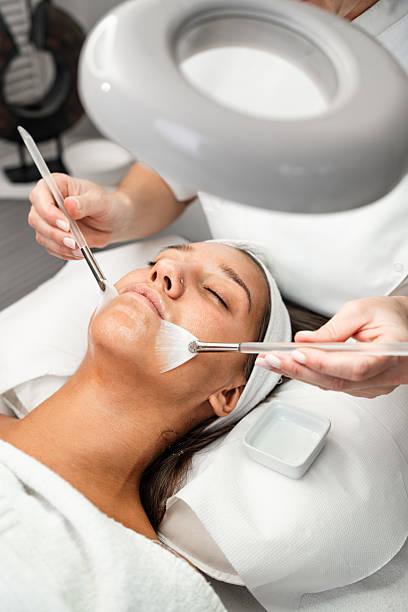
Knowing how a professional skin treatment is performed can help patients feel more confident about their decisions. A Chemical Peel in Dubai involves applying a carefully selected chemical solution to exfoliate specific layers of the skin. Although the procedure may appear straightforward, each stage requires attention to skin condition, formulation, application technique, and treatment response.
The process differs according to whether a superficial, medium-depth, or deeper peel is selected. Understanding the sequence also helps patients recognise why professional assessment and aftercare are important parts of the procedure.
Step 1: Initial Skin Assessment
Before treatment, the clinician examines the skin and discusses the patient's concerns. The purpose is to identify whether a chemical peel is suitable and determine which formulation may be appropriate.
The assessment may cover:
-
Skin tone and sensitivity
-
Acne activity and pore congestion
-
Pigmentation type and distribution
-
Surface texture and fine lines
-
Previous cosmetic treatments
-
History of skin irritation or allergies
-
Current medications and skincare products
-
Recent sun exposure or tanning
The clinician should also ask about conditions such as eczema, active infections, cold sores, and a history of abnormal scarring.
Identifying the Main Treatment Objective
A peel intended for mild dullness may differ from one being considered for acne-prone skin or selected pigmentation concerns. The clinician should clarify the treatment goal and explain what the procedure can realistically achieve.
Deep acne scars, raised scars, and some pigment conditions may require alternatives or a combination of treatments.
Step 2: Selecting the Appropriate Peel Formulation
The next stage involves choosing the chemical agent and treatment depth. Common ingredients include glycolic acid, lactic acid, mandelic acid, salicylic acid, and trichloroacetic acid.
Each has different properties and clinical uses. Selection depends on the patient's skin condition, treatment area, and risk factors.
The clinician should explain the proposed formulation, its intended effect, possible side effects, and expected recovery.
Why Treatment Strength Is Personalised
Concentration is only one factor affecting the intensity of a peel. The formulation's pH, exposure time, application method, and skin condition also influence the response.
A stronger formulation is not automatically more suitable. Conservative treatment may be preferable for patients with sensitive skin or a tendency toward post-inflammatory pigmentation.
Step 3: Preparing the Skin for Application
Once suitability is confirmed, the treatment area is prepared. The skin is usually cleansed to remove makeup, oil, and surface impurities.
Depending on the protocol, the clinician may use a preparation solution or other steps to ensure consistent application.
The skin is examined again for unexpected irritation, broken areas, or signs of infection. If the skin is not suitable on the day, treatment may be postponed.
Step 4: Applying the Chemical Solution
The selected solution is applied to the intended treatment area using the method appropriate for the formulation.
Patients may notice:
-
Tingling
-
Mild warmth
-
Temporary stinging
-
A feeling of tightness
The sensation varies between individuals and treatment types. The clinician monitors the skin throughout application and follows the product-specific protocol.
Patients should communicate any unusual or intense discomfort rather than assuming that stronger sensations mean better results.
Monitoring the Skin's Response
The clinician observes the treated area for the expected response. Application time and technique depend on the formulation.
Some products require neutralisation, while others are removed according to their instructions. Patients should not attempt to adjust or neutralise professional-strength peel solutions themselves.
Step 5: Removing or Neutralising the Peel
The next step depends on the chemical agent. Certain formulations are neutralised after the required exposure period, while others are removed or managed according to the manufacturer's instructions.
This stage is important because different acids have different application protocols. A patient should be able to ask which type of formulation is being used and how it will be managed.
After removal or neutralisation, the clinician checks the treated skin and assesses its immediate response.
Step 6: Applying Post-Treatment Products
A suitable moisturiser or protective product may be applied to support comfort. The clinician may also recommend specific products for use during the recovery period.
The aftercare plan should be tailored to treatment depth. Patients should receive clear guidance about cleansing, hydration, sunscreen, and temporary restrictions on active skincare ingredients.
Step 7: Following the Recovery Instructions
The skin may show redness, dryness, tightness, or peeling after treatment. These effects vary and are not equally noticeable after every peel.
Caring for the Skin at Home
Patients should generally:
-
Cleanse gently using approved products.
-
Apply a suitable moisturiser.
-
Use broad-spectrum sunscreen as directed.
-
Avoid picking or pulling peeling skin.
-
Pause irritating exfoliants and retinoids until cleared.
-
Avoid unapproved facial treatments during recovery.
-
Follow the clinic's instructions about heat and strenuous activity.
The skin should be allowed to recover naturally. Excessive scrubbing or trying to accelerate peeling can increase irritation and pigmentation risk.
Step 8: Reviewing the Treatment Outcome
A follow-up review may be recommended depending on the peel's depth and the patient's skin condition.
The clinician can assess healing, discuss visible changes, and decide whether further treatment is appropriate. If the skin has not recovered fully, another procedure may need to be delayed.
The review should also consider whether the original concern has improved. A different approach may be necessary if the problem involves deep scarring or a pigment condition that does not respond adequately to exfoliation.
How Long Does the Procedure Take?
The appointment duration varies according to the treatment area, formulation, and preparation required. A superficial facial peel may take less time than a more involved procedure.
Patients should ask the clinic how much time to allow for consultation, preparation, application, and post-treatment guidance. Recovery time is separate from the appointment itself and depends on treatment depth.
Safety Points Patients Should Understand
Chemical peels can cause complications if the formulation or application is unsuitable. Possible risks include:
-
Excessive irritation or chemical burns
-
Persistent redness
-
Infection
-
Post-inflammatory hyperpigmentation
-
Uneven skin tone
-
Delayed healing
-
Scarring in uncommon cases
Patients with darker skin tones or a history of pigmentation changes may require particularly careful planning. A clinician should also consider active skin conditions and any recent cosmetic procedures.
Clinic Note
A professional chemical peel is a sequence of clinical decisions, not simply the application of an acid. Assessment, formulation selection, controlled application, and recovery guidance all contribute to the treatment plan. Patients should understand each stage before giving consent.
Frequently Asked Questions
Is the skin cleansed before a chemical peel?
Yes. The treatment area is generally cleansed to remove makeup, oil, and surface impurities before the solution is applied.
Does every chemical peel need neutralisation?
No. Some formulations require neutralisation, while others are removed or managed according to their specific instructions.
Can I feel stinging during application?
Temporary tingling, warmth, or stinging may occur. Patients should tell the clinician if discomfort becomes intense or unusual.
Will the clinician monitor my skin during the procedure?
The skin should be monitored throughout application, with the treatment managed according to the selected formulation and protocol.
Can I wash my face immediately afterward?
Follow the clinic's specific instructions. Cleansing recommendations depend on the product used and the treatment protocol.
Is a follow-up appointment always necessary?
Not every superficial treatment requires the same review schedule. Follow-up depends on peel depth, skin response, and clinical advice.
Can I repeat the procedure if I do not see immediate results?
Further treatment should only be considered after the skin has recovered and the clinician has reviewed the response.
Explore Chemical Peel Treatment at Tajmeels Clinic
Understanding the procedure helps patients make informed decisions about skin resurfacing. From the initial assessment to post-treatment care, every stage should be based on individual skin characteristics and realistic goals.
At Tajmeels Clinic, patients can discuss their concerns and available chemical peel options with the clinical team. A consultation can help clarify the treatment process, expected recovery, and whether exfoliation is appropriate for the skin's needs.

 English
 Arabic
 French
 Spanish
 Portuguese
 Deutsch
 Turkish
 Dutch
 Italiano
 Russian
 Romaian
 Portuguese (Brazil)
