

How a Laser Hair Lightening Session in Dubai Works on Peach Fuzz and Vellus Hair
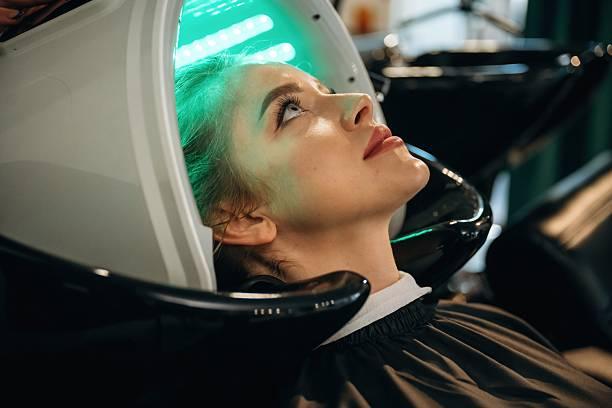
Soft facial hair, often called peach fuzz, is a normal part of skin appearance. It usually consists of fine, short hairs that may be more visible on certain areas of the face or under bright lighting. People who prefer a less noticeable appearance sometimes explore cosmetic treatments designed to change how unwanted hair looks. A Laser Hair Lightening Session in Dubai may be discussed for selected darker fine hair, but its suitability for very light vellus hair requires careful consideration.
Vellus hair differs from thicker terminal hair in both structure and pigment. Because light-based technologies rely on specific interactions with their intended targets, not every type of fine hair responds in the same way. Understanding this distinction helps patients avoid unrealistic expectations.
What Is Peach Fuzz and How Does Vellus Hair Differ?
Peach fuzz is the everyday term commonly used for vellus hair. It is usually soft, fine, and relatively short, and it can appear across the cheeks, forehead, chin, and other parts of the face.
Characteristics of vellus hair
Vellus hair generally has a smaller diameter and less pigment than coarse terminal hair. It may be difficult to see from a distance but can become noticeable under direct lighting or when viewed closely.
Its main characteristics include:
-
Fine strands with a soft texture.
-
Usually shorter length than terminal hair.
-
Often lighter pigmentation.
-
Distribution across many areas of the face and body.
-
Variation in visibility between individuals.
Not all facial hair is vellus hair. Some people have darker or thicker terminal hair around the upper lip, chin, or jawline.
Why hair type matters in cosmetic treatment
The difference between vellus and terminal hair influences treatment selection. A device designed to interact with pigment in darker hair may have limited effectiveness when the target contains very little pigment.
This is one reason a professional examination is important before recommending a light-based procedure.
How a Laser Hair Lightening Session in Dubai Is Intended to Work
The treatment is described by Tajmeels Clinic as a cosmetic procedure intended to make unwanted hair lighter and less visible against the skin.
However, patients should understand that the precise mechanism depends on the device and protocol. Conventional laser hair-removal systems generally use selective absorption by melanin to heat follicular structures. That mechanism should not automatically be described as a proven method of bleaching the hair shaft.
Understanding the role of hair pigment
Melanin is the pigment responsible for much of the natural colour in hair and skin. Its presence can influence how light energy interacts with tissue.
Darker hair generally contains more pigment than very light vellus hair. This difference can affect how a light-based device responds to the treatment area.
Why the exact device matters
The phrase laser hair lightening does not identify a single universal technology. Different devices use different wavelengths and operating principles.
Before proceeding, patients should ask the clinic:
-
What device is being used?
-
What is its intended mechanism for changing hair appearance?
-
Is it suitable for vellus hair?
-
How does the device distinguish the intended target from surrounding skin?
-
What results are realistic for the specific treatment area?
Clear answers help patients understand what the procedure can reasonably achieve.
Can Light-Based Treatment Affect Very Fine Peach Fuzz?
Very fine vellus hair may contain too little pigment to respond predictably to technologies that rely on melanin absorption. This is an important limitation to discuss before treatment.
Lightly pigmented hair may respond differently
The appearance of peach fuzz can be influenced by hair colour, skin tone, lighting, and density. Hair that looks dark against one complexion may appear less visible against another.
A professional should assess the actual hair rather than make a recommendation based only on the patient's description.
Treatment should not be assumed to work on every facial area
The cheeks, forehead, upper lip, and chin can have different hair characteristics. Even within one treatment area, fine and darker strands may coexist.
The clinician should explain whether the proposed procedure is suitable for each area and avoid treating the entire face as if all hair were identical.
Peach Fuzz Versus Coarse Facial Hair
Understanding the difference between vellus and terminal hair helps patients choose a more appropriate cosmetic option.
| Feature | Vellus Hair | Terminal Hair |
|---|---|---|
| Texture | Fine and soft | Usually thicker and coarser |
| Pigment | Often lighter | Often more pigmented |
| Length | Usually shorter | Can grow longer |
| Visibility | May be subtle | Often more noticeable |
| Treatment response | Can be less predictable for pigment-based devices | Depends on pigment and device suitability |
This distinction is particularly relevant for people with mixed facial hair patterns.
What Happens During a Consultation?
A consultation should identify the type of hair, assess the skin, and establish the patient's preferred outcome.
Hair and skin examination
The clinician examines hair colour, thickness, density, and distribution. Skin tone, sensitivity, pigmentation history, and previous cosmetic procedures should also be considered.
Medical and skincare history
Patients should disclose medications, topical treatments, recent sun exposure, and any history of unusual skin reactions.
If hair growth has recently become thicker or more widespread, the clinician may recommend investigating possible underlying factors before proceeding.
Patch testing
A patch test may be used to observe the skin's response to the selected equipment and settings. It is a useful precaution when recommended, but it cannot guarantee the absence of later reactions.
What Results Should You Expect?
Patients should not assume that a procedure designed for darker visible hair will produce the same effect on nearly transparent peach fuzz.
The possible outcome depends on the hair's pigment, thickness, the selected technology, and individual response. The clinician should explain whether the goal is achievable before recommending a session.
If the hair is extremely fine and lightly pigmented, another grooming or cosmetic approach may be more suitable.
Alternative Options for Managing Peach Fuzz
Not every person needs a laser-based procedure to manage fine facial hair. Other approaches may be considered according to skin sensitivity and personal preference.
Dermaplaning
Dermaplaning uses a specialised blade to remove surface dead skin cells and fine facial hair. It provides temporary hair removal rather than changing the pigment of the hair.
It may not be suitable for every skin condition, especially when active irritation or certain inflammatory concerns are present.
Threading
Threading removes hair from the root and is often used for smaller facial areas. However, it may cause temporary redness or irritation, particularly on sensitive skin.
Gentle facial grooming
Some people prefer carefully selected facial grooming methods. The appropriate option depends on hair density, skin sensitivity, and the desired result.
Safety Considerations for Fine Facial Hair Treatment
The face contains delicate areas that require careful treatment planning. Light-based procedures should be performed by appropriately trained professionals using suitable equipment and protective measures.
Potential reactions may include redness, swelling, warmth, and irritation. More serious complications, including burns or pigmentation changes, are possible if treatment is unsuitable or incorrectly administered.
Patients should ask about protective eyewear, patch testing, device suitability, and aftercare before starting.
Clinic Note: Peach fuzz and terminal facial hair are not interchangeable treatment targets. Because vellus hair is often lightly pigmented, ask whether the selected technology is appropriate for your particular hair type before proceeding.
Frequently Asked Questions
Is peach fuzz the same as vellus hair?
Peach fuzz is a common term for the soft, fine hair known as vellus hair. It is generally shorter and less pigmented than coarse terminal hair.
Can laser hair lightening make all peach fuzz invisible?
No universal result can be promised. Very fine or lightly pigmented hair may respond unpredictably, depending on the technology and treatment method.
Does vellus hair contain melanin?
Vellus hair can contain melanin, but it is generally less pigmented than darker terminal hair. The amount varies between individuals and hair areas.
Should I have a patch test before treatment?
A patch test may be recommended to assess the skin's response. It is particularly useful when the clinician identifies sensitivity or other risk factors, but it does not remove all treatment risks.
Is dermaplaning better for peach fuzz?
Dermaplaning directly removes fine facial hair and surface dead skin cells, while hair lightening aims to make hair less visible. The more appropriate option depends on the patient's preference and skin condition.
Choosing the Right Approach for Peach Fuzz
Fine facial hair is normal, and treatment is a personal choice rather than a skincare requirement. Patients interested in changing its appearance should first understand whether their hair is vellus or terminal and whether the proposed technology can realistically address it.
At Tajmeels Clinic, patients considering a Laser Hair Lightening Session in Dubai can discuss peach fuzz, facial hair visibility, and available cosmetic options during a consultation. A professional assessment helps clarify suitability and establish realistic expectations.

 Arabic
 French
 Spanish
 Portuguese
 Deutsch
 Turkish
 Dutch
 Italiano
 Russian
 Romaian
 Portuguese (Brazil)
 Greek
