

Why Do Warts Keep Coming Back?
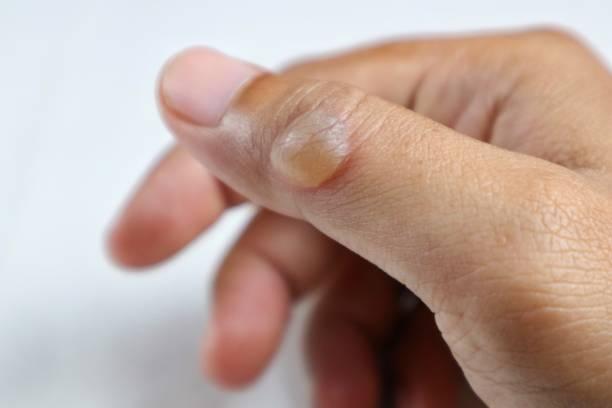
Warts are common skin growths caused by certain types of the human papillomavirus (HPV). They can develop on the hands, feet, fingers, face, and other parts of the body. Although treatments can remove visible warts, some people notice that the growths return after a few weeks or months. This can be frustrating, especially when the same area has already been treated.
People exploring Warts Removal Treatment in Riyadh often want to understand why warts keep returning despite previous removal procedures. The main reason is that removing the visible growth does not always eliminate HPV from the surrounding skin. The virus may remain in the area and cause another wart to develop. Understanding the possible causes of recurrence can help individuals choose appropriate treatment and reduce the risk of spreading.
What Causes Warts to Come Back?
Warts can return for several reasons, including the persistence of HPV, incomplete removal, and reinfection. The exact cause may differ from one person to another.
HPV May Remain in the Skin
Wart removal treatments generally target the visible growth rather than guaranteeing the complete elimination of HPV. The virus may remain in nearby skin cells even after the wart disappears. If it becomes active again, a new wart can develop in the same area or nearby.
Incomplete Removal of Wart Tissue
Some treatments may not completely destroy the affected tissue, particularly when warts are thick, deep, or located in difficult areas. If some infected tissue remains, the growth may gradually become visible again.
A Weakened Immune Response
The immune system plays an important role in controlling HPV. People with weakened immune systems may have more difficulty clearing the infection, which can increase the likelihood of persistent or recurring warts.
Certain medical conditions and treatments that suppress immune function can affect the body's ability to control viral infections. Individuals in these situations should discuss recurring warts with a healthcare professional.
Spreading the Virus to Nearby Skin
Picking, scratching, biting, or shaving over a wart can transfer HPV to nearby areas. Small cuts and skin irritation may provide opportunities for the virus to enter the skin, resulting in additional growths.
Reinfection Through Direct Contact
HPV can spread through direct skin contact and contact with contaminated personal items. Sharing razors, nail clippers, towels, or other grooming tools may increase the risk of transferring the virus. Walking barefoot in shared wet areas can also expose the feet to certain wart-causing HPV types.
Can Different Types of Warts Keep Returning?
Yes. Recurrence can occur with different types of warts, although the location and characteristics may influence treatment.
Common Warts
Common warts usually appear on the fingers, hands, and around the nails. They may return if HPV remains in nearby skin or spreads through nail biting, picking, or scratching.
Plantar Warts
Plantar warts develop on the soles of the feet and can be difficult to treat because pressure from walking may cause them to grow inward. Thickened skin can also make treatment more challenging.
Flat Warts
Flat warts are small, smooth growths that often appear in clusters on the face, hands, or legs. Scratching or shaving over affected areas may spread the virus and cause additional warts.
Filiform Warts
Filiform warts are narrow, finger-like growths commonly found around the nose, mouth, and eyes. Their sensitive locations require careful professional assessment and treatment.
How Can You Reduce the Risk of Warts Coming Back?
Although recurrence cannot always be prevented, certain habits may help reduce the chances of spreading HPV and developing new growths.
Avoid Picking or Scratching Warts
Touching or picking at warts can transfer the virus to surrounding skin. Avoid biting nails or pulling at growths around the fingers. If a wart becomes irritated, seek advice about suitable care.
Maintain Personal Hygiene
Wash your hands regularly, particularly after touching an affected area. Avoid sharing towels, razors, nail clippers, socks, or other personal grooming items.
Protect Your Feet
Wear footwear in communal showers, swimming pool areas, and changing rooms. Keep your feet clean and dry, and avoid sharing shoes or socks with others.
Follow Treatment Instructions
After a removal procedure, follow the specialist's instructions for cleaning, dressing, and protecting the treated area. Attend recommended follow-up appointments so the healing process and treatment results can be assessed.
What Are the Best Treatment Options for Recurrent Warts?
When warts continue returning, a dermatologist may recommend a different treatment approach or a combination of methods. The choice depends on the wart type, location, size, previous treatments, and the patient's overall skin condition.
Topical Treatments
Topical products containing salicylic acid may help remove certain types of warts by gradually breaking down affected skin layers. Prescription medicines may also be considered for persistent growths. These treatments require consistent use and may not be suitable for sensitive areas such as the face or genitals.
Cryotherapy
Cryotherapy uses liquid nitrogen to freeze wart tissue. The treated area gradually forms a blister or heals as the damaged tissue is removed. Multiple sessions may be needed, especially for stubborn or recurring warts.
Laser Treatment
Laser treatment may be considered for selected persistent warts that have not responded to other methods. It uses focused energy to target affected tissue. A specialist should assess suitability and explain possible side effects, including temporary discomfort, pigmentation changes, and scarring.
Electrosurgery or Surgical Removal
For certain stubborn growths, a healthcare professional may recommend electrosurgery or surgical removal. These procedures physically destroy or remove the affected tissue. The choice depends on the wart's location, size, and previous treatment response.
When Should You Seek Professional Advice?
Recurring warts should be assessed when they repeatedly return, spread to other areas, become painful, or interfere with daily activities. Medical evaluation is especially important for growths on the face, around the nails, or in the genital area.
A healthcare professional should also examine any growth that bleeds, changes colour, grows rapidly, or does not respond to treatment. Not every skin growth is a wart, so confirming the diagnosis is important before another removal procedure.
Considering Warts Removal Treatment in Riyadh can help individuals explore suitable options with professional guidance. A dermatologist can review previous treatments, identify possible reasons for recurrence, and recommend a personalised approach to managing the condition.
Book a Wart Removal Consultation at Royal Clinic Saudia
If your warts keep returning or spreading, consider arranging a consultation at Royal Clinic Saudia. A professional skin assessment can help identify the growths, review suitable treatment options, and provide guidance on aftercare to support better skin health.
FAQs:
Why do warts return after removal?
Warts may return because HPV can remain in surrounding skin cells even after the visible growth has been removed. Incomplete treatment or reinfection may also contribute to recurrence.
Can recurring warts indicate a weak immune system?
Not necessarily. Warts can return in people with healthy immune systems because HPV may remain in the skin. However, frequent or persistent outbreaks may warrant medical assessment, particularly if immunity is weakened.
How can I prevent warts from spreading after treatment?
Avoid picking or scratching the treated area, follow aftercare instructions, keep the skin clean, and avoid sharing personal grooming tools. Protecting the area from unnecessary irritation may also help.
What is the best treatment for warts that keep coming back?
The best option depends on the wart's type, location, and previous treatment history. A dermatologist may recommend topical medicines, cryotherapy, laser treatment, or another professional procedure based on an individual assessment.

 English
 Arabic
 French
 Spanish
 Portuguese
 Deutsch
 Turkish
 Dutch
 Italiano
 Russian
 Romaian
 Greek
