

Food Box Packaging Guide: Materials, Design & Ordering Tips
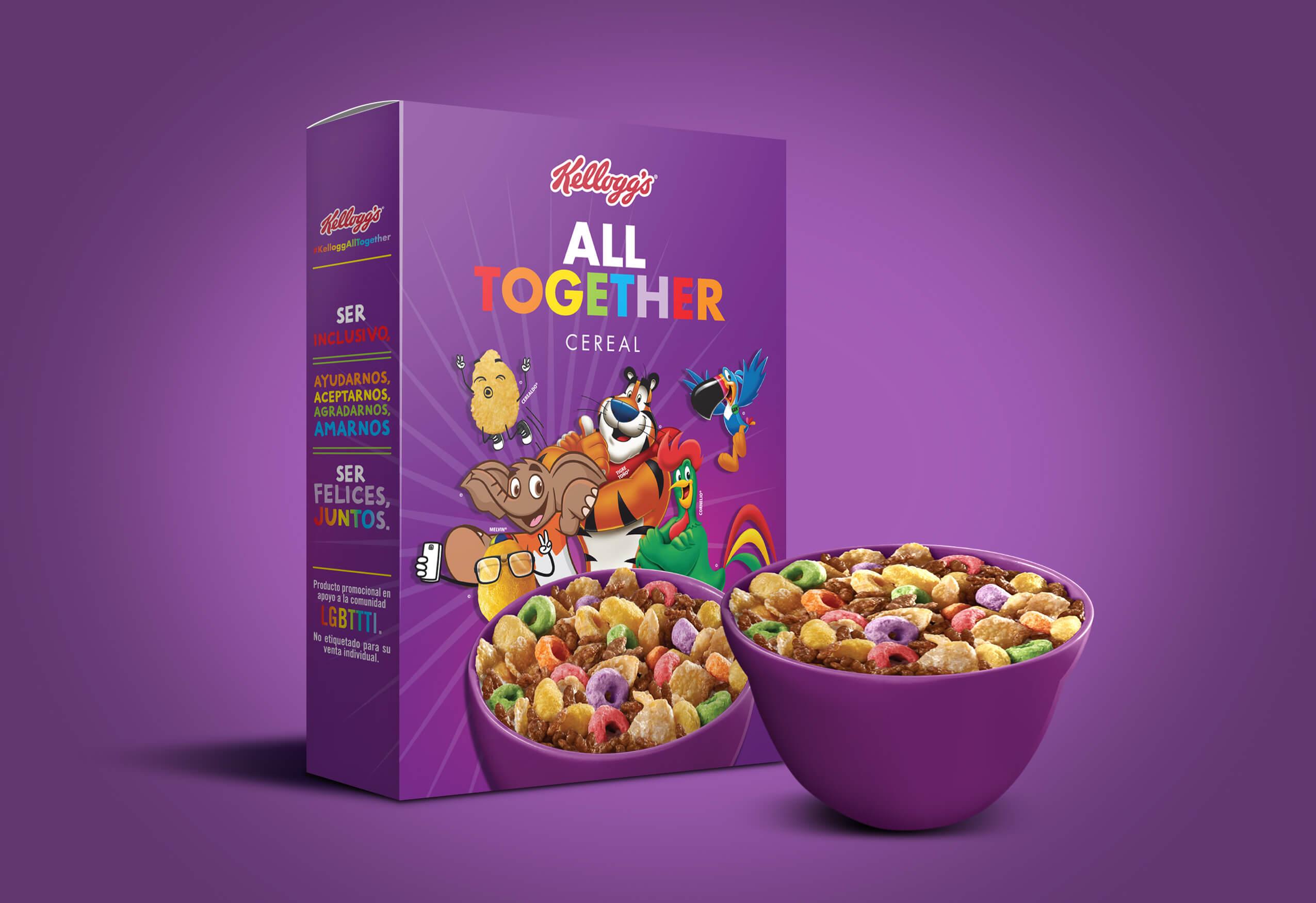
How Smart Packaging Helps Your Food Brand Stand Out on Crowded Shelves
Walk down any grocery aisle and you will notice how quickly you decide what to pick up. Before you read an ingredient list, the box has already made its pitch. That is why custom food packaging boxes have become one of the smartest investments for small and mid-size food brands. They protect what is inside, tell your story, and give shoppers a reason to choose you over the brand next to you.
Why Packaging Influences Buying Decisions
Packaging is not just a container. It is a silent salesperson. According to an Ipsos survey commissioned by the Paper and Packaging Board, 72% of American consumers say packaging design influences their purchasing decisions. That number explains why even established brands refresh their boxes regularly.
For newer companies, the opportunity is even bigger. Well-designed custom food packaging boxes let a small bakery, snack startup, or specialty tea company look as polished as a national competitor, often without the huge minimum orders that once made this level of branding impossible.
Core Benefits for Food Brands
Stronger Brand Recognition
Consistent colors, typography, and logo placement make your product recognizable from across the aisle or in a crowded online thumbnail. Repeat exposure builds trust, and trust builds repeat purchases.
Better Product Protection
Food is fragile in its own ways. Crushed crackers, stale cookies, and torn bags all lead to bad reviews. A box built to fit your product, with the right thickness and inserts, reduces damage in shipping and on the shelf.
Clear Communication
Your box is prime real estate for nutrition facts, allergen warnings, cooking instructions, and a short brand story. Keep the hierarchy simple so the most important message gets read first.
Choosing the Right Materials
Prioritize Food Safety
Anything that touches or sits near food must meet safety standards. In the United States, the FDA regulates food contact materials, so ask your supplier for documentation confirming that inks, coatings, and liners are approved for food use. For greasy or moist items, a grease-resistant liner prevents leaks without hurting the look of the outside. A reliable supplier will explain these details openly when you request custom food packaging boxes. If they cannot, treat that as a warning sign.
Consider Sustainable Options
Shoppers increasingly check whether packaging is recyclable. Kraft paperboard, recycled cardboard, and water-based inks are popular choices that support a greener message. If you make an environmental claim, keep it specific and honest, because vague "eco-friendly" labels can backfire.
Design Tips That Convert
Start with your shopper, not your personal taste. Study what competitors are doing, then deliberately differ in color or layout. Use no more than two or three main colors, give your logo breathing room, and let one strong image or phrase lead.
Breakfast brands show how this works in practice. Custom cereal boxes need to stand out in one of the busiest aisles in the store, so bold color blocking, a clear flavor name, and a visible product image help shoppers decide quickly. Size matters too. Taller, slimmer custom cereal boxes catch the eye, but they still have to fit standard shelving and shipping cartons.
Finish also changes perception. Matte coatings feel premium and modern, gloss makes colors pop, and spot UV highlights a logo or key word. Always request a physical sample or digital proof before approving a full run, since screen colors rarely match printed ones exactly.
Planning Your Order
Before contacting a printer, gather your product dimensions, weight, target quantity, and budget. Decide whether the boxes will sit on shelves, ship to customers, or both, since each use calls for different strength and finishes. Compare at least three quotes, and ask about turnaround times, setup fees, and minimum quantities.
Brands that treat custom food packaging boxes as part of their marketing, not just a cost, tend to plan better and waste less. Many start with a small first run to test the design, then reorder in larger quantities once sales confirm demand.
Frequently Asked Questions
How long does production usually take?
Timelines vary by supplier and complexity, but proofing, printing, and shipping commonly take a few weeks. Ask for a written schedule and order earlier than you think you need to, especially before holiday seasons.
Can small brands afford custom printing?
Yes. Digital printing has lowered minimums, so many suppliers now accept small runs. This makes custom food packaging boxes realistic even for home-based and early-stage businesses.
Is it worth designing a box for just one product?
Often, yes. A signature box can anchor a whole product line. Even a single flagship item, such as custom cereal boxes in a distinctive shape, can become the face of your brand.
Final Thoughts
Great packaging earns attention, protects your product, and communicates your values in a few seconds. Start with food-safe materials, design for your shopper, and test before scaling. When you treat custom food packaging boxes as a strategic asset rather than an afterthought, they work harder for every dollar you spend.

 Arabic
 French
 Spanish
 Portuguese
 Deutsch
 Turkish
 Dutch
 Italiano
 Russian
 Romaian
 Portuguese (Brazil)
 Greek
