

National Research Nuclear University MEPhI: Radiation Safety Training and Laboratory Practices
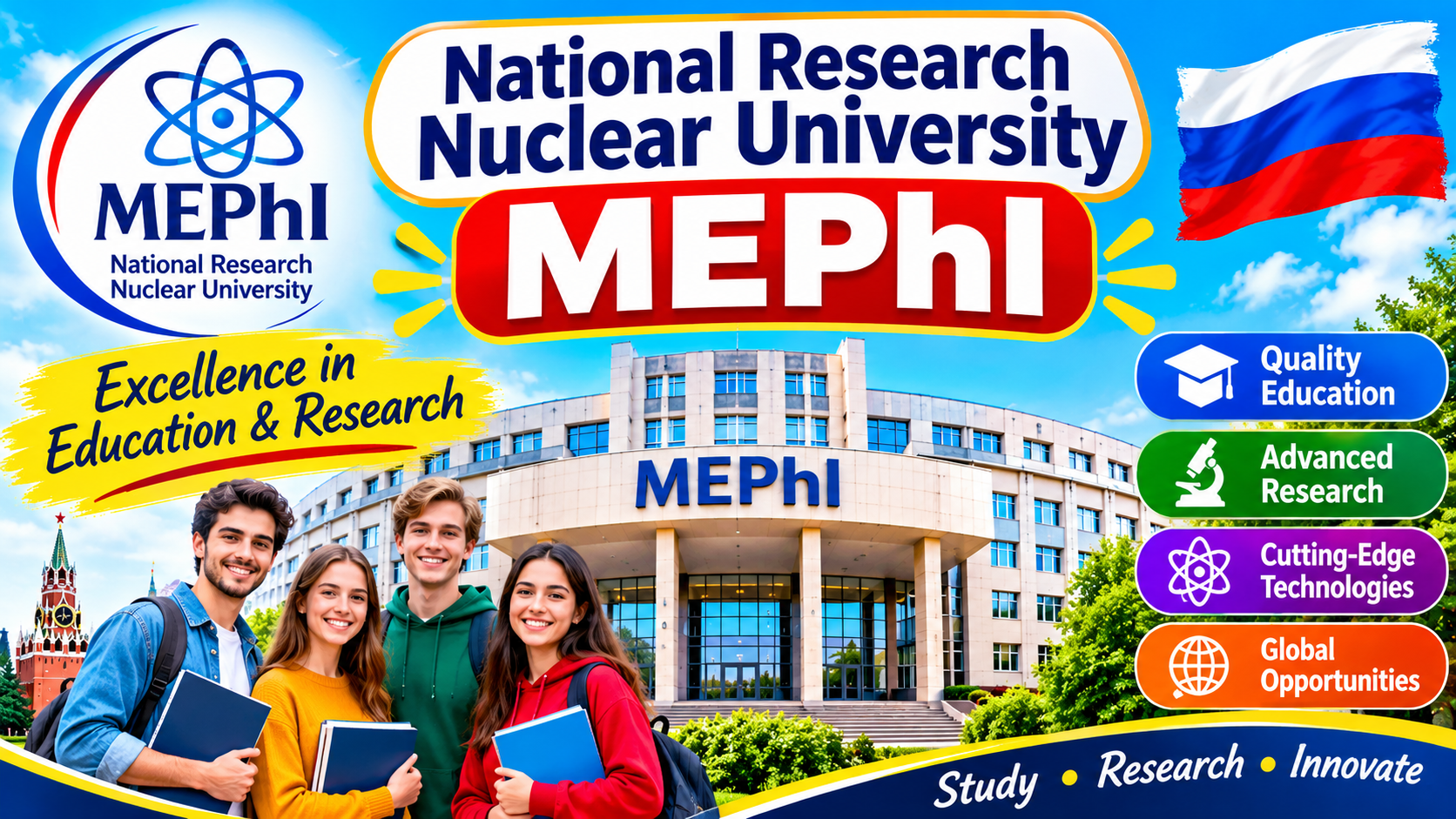
Radiation safety is an essential part of nuclear science, medical physics, and advanced scientific research. Students working with radiation-related technologies need to understand how radiation affects people and the environment, how exposure is measured, and which protective measures should be followed. National Research Nuclear University MEPhI offers academic programmes and research opportunities in nuclear science, radiation physics, and safety technologies, making these subjects relevant for students interested in scientific and technical careers.
1. Understanding Radiation Safety Training
Radiation safety training introduces students to the scientific principles and procedures required when working with ionising radiation. It explains the potential risks associated with radioactive materials and radiation-producing equipment, along with methods used to reduce unnecessary exposure.
At National Research Nuclear University MEPhI, radiation safety is an established academic area within its Institute of Nuclear Physics and Engineering. The institute lists Radiation Safety among its educational fields and includes a Department of Radiation Physics and Safety of Nuclear Technologies.
Important learning areas may include:
-
Fundamentals of radiation physics
-
Biological effects of ionising radiation
-
Radiation measurement and dosimetry
-
Radiation monitoring techniques
-
Protective equipment and shielding
-
Nuclear technology safety procedures
These subjects help students understand the importance of Radiation Protection and Safety in research facilities, industrial environments, and specialised medical institutions.
2. Academic Programmes and Learning Opportunities
Students interested in radiation-related subjects can explore the university's specialised programmes. Its official master's programme listings include Radioecology and Radiation Protection, while the Institute of Nuclear Physics and Engineering also identifies Radiation Safety as an educational field.
The academic approach connects physics, engineering, environmental studies, and nuclear technologies. Students can develop knowledge of how radiation interacts with different materials and how safety measures are designed for professional environments.
National Research Nuclear University MEPhI also has academic areas related to nuclear physics, radiation technologies, and experimental methods. These subjects provide a broader understanding of the scientific principles behind radiation applications.
Applicants should check the latest programme information, eligibility requirements, and language of instruction before selecting a course.
3. Laboratory Practices and Practical Learning
Laboratory learning is important because radiation-related concepts require careful measurement, observation, and technical understanding. Depending on the selected programme, practical activities may introduce students to radiation detection instruments, monitoring systems, and experimental methods.
Common laboratory learning areas can include:
-
Understanding radiation survey instruments
-
Studying radiation measurement techniques
-
Learning the principles of dosimetry
-
Examining shielding materials and their applications
-
Understanding contamination monitoring procedures
-
Recording and analysing experimental observations
At National Research Nuclear University MEPhI, research and educational activities are connected with nuclear physics, radiation technologies, and engineering. These areas can help students understand how laboratory methods support scientific investigation and safety management.
Practical activities must always follow authorised laboratory procedures and supervision. Students should never handle radioactive sources independently without the required training and permission.
4. Importance of Radiation Protection and Safety
Radiation Protection and Safety focuses on reducing unnecessary radiation exposure while allowing scientific and medical activities to be performed responsibly.
Three widely recognised principles are time, distance, and shielding. Reducing the time spent near a radiation source, increasing the distance from it, and using suitable shielding can help control exposure.
Personal dosimeters and workplace monitoring instruments are also important tools. They help measure radiation levels and support the identification of potentially unsafe conditions.
National Research Nuclear University MEPhI has academic and research activities related to radiation physics and nuclear technology safety. Studying these subjects helps students understand the importance of accurate measurements, regulatory requirements, and responsible laboratory practices.
5. Environmental Safety and Professional Responsibilities
Radiation safety is not limited to laboratories. It also involves protecting workers, the public, and the environment from unnecessary exposure.
Students may explore topics such as radioactive waste management, environmental radiation monitoring, contamination control, and emergency preparedness. These areas are important in nuclear facilities, research centres, and industries that use radiation-based technologies.
Professionals working in this field must follow applicable safety regulations, maintain accurate records, and report unusual conditions through established procedures.
6. Career Opportunities After Radiation Safety Studies
Graduates with relevant qualifications and practical experience may explore professional opportunities in several sectors.
-
Radiation Safety Specialist: Supports radiation monitoring and workplace protection procedures.
-
Radiation Protection Officer: Helps implement safety policies and compliance practices, subject to local certification requirements.
-
Nuclear Research Professional: Participates in research involving nuclear physics and radiation technologies.
-
Environmental Monitoring Specialist: Studies radiation levels and environmental safety.
-
Radiation Physics Researcher: Works on scientific projects involving radiation measurement and applications.
Career eligibility depends on academic qualifications, professional training, licensing, and the regulations of the country where graduates intend to work.
Conclusion
Radiation safety education helps students understand the scientific and practical responsibilities involved in working with nuclear technologies. National Research Nuclear University MEPhI offers relevant academic areas in radiation safety, nuclear physics, and radiation protection. By developing theoretical knowledge, laboratory awareness, and responsible working practices, students can prepare for further studies and career opportunities in scientific research, environmental monitoring, and nuclear technology.

 English
 Arabic
 French
 Spanish
 Portuguese
 Deutsch
 Turkish
 Dutch
 Russian
 Romaian
 Portuguese (Brazil)
 Greek
