

Understanding Peptide-Based Approaches to Reproductive Wellness
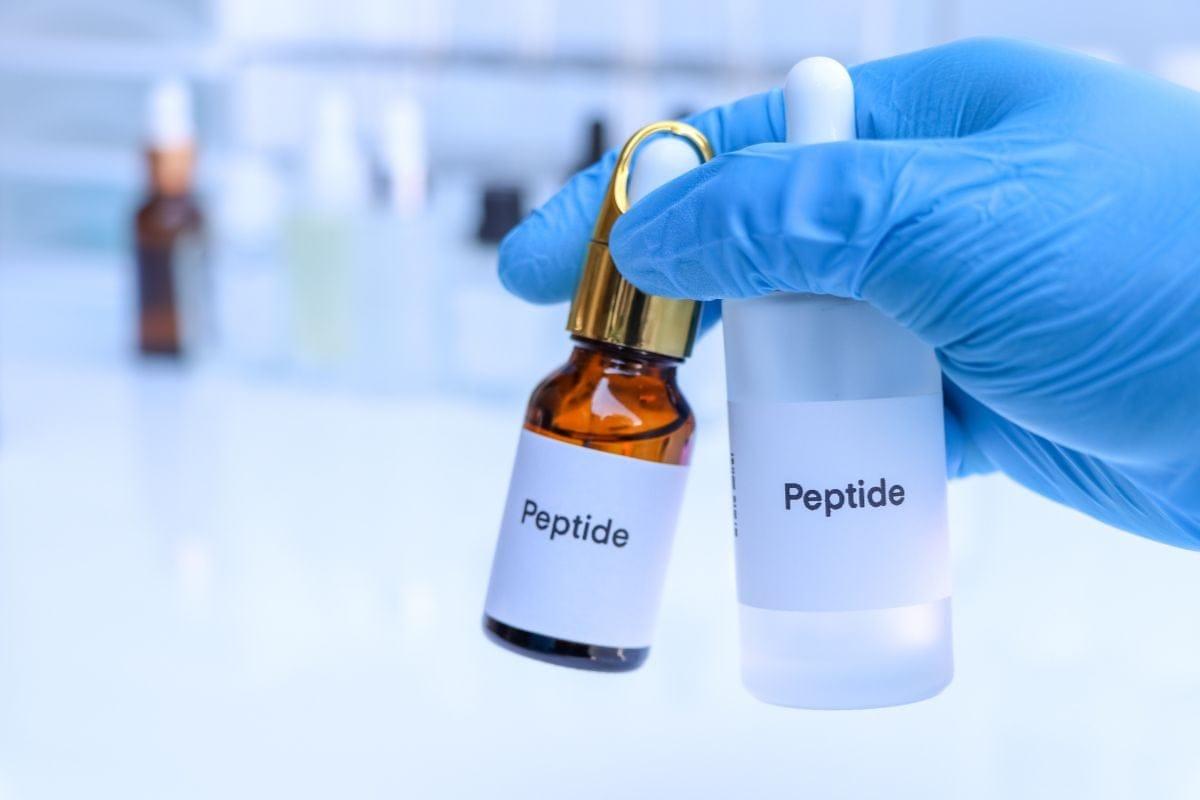
Reproductive wellness is an important part of overall health, involving hormonal balance, reproductive organ function, cellular health, and the body's ability to support healthy reproductive processes.
Scientific interest in peptides has expanded because of their potential roles in cellular communication, hormone regulation, tissue development, and biological signaling. Researchers are increasingly investigating how these small chains of amino acids interact with different systems in the body, including those involved in reproductive health.
The growing interest in fertility peptides reflects a broader effort to understand the biological mechanisms that influence reproductive function. Although peptide-based research is still developing, it offers opportunities to explore new approaches to reproductive wellness.
Understanding how peptides work, what researchers are studying, and what limitations currently exist can help people make more informed decisions about reproductive health.
What Are Peptides and How Do They Work?
Peptides are short chains of amino acids connected through chemical bonds. Amino acids are the building blocks of proteins, and peptides perform various functions throughout the human body. They can act as signaling molecules, helping cells communicate and coordinate biological activities.
Some naturally occurring peptides influence hormone production, immune responses, metabolism, tissue repair, and other physiological processes. Their functions depend on their specific amino acid sequences and how they interact with receptors or other biological structures.
Unlike larger proteins, certain peptides are relatively small and can interact with specific cellular targets. This characteristic makes them interesting subjects for scientific investigation. Researchers study their potential applications in different areas of medicine, including endocrinology, metabolic health, and reproductive biology.
However, not every peptide has an established medical application. Many compounds remain experimental, and their safety and effectiveness require careful evaluation through controlled research.
The Connection Between Peptides and Reproductive Health
Reproductive health depends on several interconnected biological systems. Hormones, the nervous system, reproductive organs, and metabolic processes work together to maintain normal reproductive function.
In women, hormones such as estrogen, progesterone, and follicle-stimulating hormone help regulate the menstrual cycle, ovulation, and reproductive processes. In men, testosterone, luteinizing hormone, and follicle-stimulating hormone contribute to sperm production and reproductive function.
Peptides are relevant to reproductive research because some naturally occurring peptide hormones participate directly in these regulatory pathways. For example, gonadotropin-releasing hormone (GnRH) is a peptide hormone that helps control the release of reproductive hormones from the pituitary gland.
Scientists continue investigating how peptide signaling influences reproductive processes. These findings may improve understanding of hormonal communication and identify potential directions for future reproductive treatments.
Potential Research Areas in Female Reproductive Wellness
Female reproductive wellness involves complex hormonal and cellular processes. Researchers are exploring several areas where peptide signaling may contribute to a better understanding of reproductive function.
1. Hormonal Communication
Hormonal communication is essential for regulating ovulation, menstrual cycles, and reproductive development. Peptide hormones participate in signaling pathways that influence the production and release of reproductive hormones.
Research into these pathways may help scientists better understand hormonal irregularities and reproductive conditions. However, the effectiveness of experimental peptides for addressing these conditions has not been established universally.
2. Ovarian Function
The ovaries play an essential role in reproductive health by producing eggs and releasing hormones. Their function depends on communication between different cells, hormonal signals, and metabolic processes.
Scientists are investigating how peptide signaling interacts with ovarian cells and follicular development. Such research may provide useful information about ovarian biology and age-related reproductive changes.
3. Cellular Health
Healthy cellular activity is important for maintaining reproductive tissues. Researchers are examining how different signaling molecules influence cellular growth, communication, and responses to biological stress.
Understanding these mechanisms could contribute to future research into reproductive aging and tissue health.
Potential Research Areas in Male Reproductive Wellness
Male reproductive wellness also depends on coordinated hormonal activity, healthy reproductive tissues, and normal sperm development.
Several peptide-related research areas are receiving scientific attention.
1. Hormonal Regulation
Peptide hormones help regulate the reproductive endocrine system. GnRH, for example, stimulates the pituitary gland to release hormones that influence testosterone production and sperm development.
Studying these signaling mechanisms can help researchers understand certain hormonal causes of male reproductive difficulties.
2. Sperm Development
Sperm production involves several stages of cellular development within the testes. Hormonal signals and local cellular communication influence these processes.
Researchers investigate how different biological signaling pathways contribute to sperm development, maturation, and reproductive function.
3. Reproductive Tissue Research
Healthy reproductive tissues are necessary for normal physiological function. Laboratory research explores how peptides interact with cells and influence biological processes associated with tissue maintenance.
These investigations may contribute to a better understanding of male reproductive biology, although experimental findings should not be interpreted as proof of improved fertility.
Understanding the Scientific Interest in Fertility Peptides
The scientific interest in fertility peptides comes from their involvement in biological signaling and hormonal regulation. Researchers are exploring how naturally occurring peptides and laboratory-developed compounds interact with reproductive pathways.
One important area involves the hypothalamic-pituitary-gonadal axis, which regulates reproductive hormones in both men and women. Peptide hormones help coordinate communication within this system.
Another area involves investigating how reproductive cells respond to different biological signals. Researchers are studying cellular development, metabolic activity, and molecular communication to identify mechanisms that may eventually support reproductive medicine.
It is important to distinguish established medical treatments from experimental compounds. Some peptide-based medications already have recognized clinical applications in reproductive medicine, while other substances marketed for reproductive wellness lack sufficient human evidence.
Factors That Influence Reproductive Wellness
Peptide research represents only one part of the broader reproductive health discussion. Several established lifestyle and medical factors can influence reproductive function.
Nutrition: A balanced diet provides essential vitamins, minerals, healthy fats, and proteins that support normal physiological processes.
Physical Activity: Regular moderate exercise supports cardiovascular health, metabolic function, and overall well-being. Excessive exercise, however, may negatively affect hormonal balance in some individuals.
Sleep Quality: Consistent, restorative sleep supports normal hormone regulation and metabolic activity.
Stress Management: Long-term stress can influence hormonal pathways and general health. Relaxation techniques, physical activity, and professional support may help improve overall well-being.
Medical Assessment: Conditions such as polycystic ovary syndrome, endometriosis, thyroid disorders, and certain reproductive hormone abnormalities may affect fertility. Appropriate medical evaluation helps identify potential causes and suitable treatment options.
These factors provide a foundation for reproductive wellness and should not be replaced by unverified peptide products.
Safety and Important Considerations
Although peptide research offers interesting scientific possibilities, safety remains an important consideration. Not all peptides are approved for human use, and some products marketed online have limited clinical evidence.
Potential concerns include incorrect dosing, contamination, unpredictable biological effects, allergic reactions, and interactions with medications. Products intended for laboratory research should not automatically be considered suitable for personal use.
Anyone experiencing fertility difficulties should consult a qualified healthcare professional or reproductive specialist. Medical testing can help identify underlying conditions and determine whether established treatments are appropriate.
The development of peptide-based approaches requires carefully designed clinical trials that evaluate safety, dosage, effectiveness, and long-term outcomes. Until stronger evidence becomes available, experimental peptides should not be presented as proven fertility treatments.
Exploring Peptide Research with Adonis Elite Peptides
Adonis Elite Peptides is a brand associated with peptide-focused research products and the growing scientific interest in peptide compounds. As awareness of peptide science continues to expand, the brand provides an opportunity for interested individuals to explore information about different peptide-related research areas.
Understanding product descriptions, research classifications, and available scientific evidence is important when evaluating any peptide product. Customers should carefully review applicable safety information and recognize that research-use products are not necessarily approved for human consumption or medical treatment.
Conclusion
Peptide science is creating new opportunities to investigate the biological mechanisms involved in reproductive wellness. From hormonal communication and ovarian function to sperm development and cellular signaling, researchers are examining how peptides contribute to reproductive processes.
The growing interest in fertility peptides highlights the importance of understanding these compounds through reliable scientific research rather than marketing claims. While certain peptide hormones already have established medical applications, many other compounds remain experimental.

 Arabic
 French
 Spanish
 Portuguese
 Deutsch
 Turkish
 Dutch
 Italiano
 Russian
 Romaian
 Portuguese (Brazil)
 Greek
