

Quality Inspection in General Surgical Instrument Management
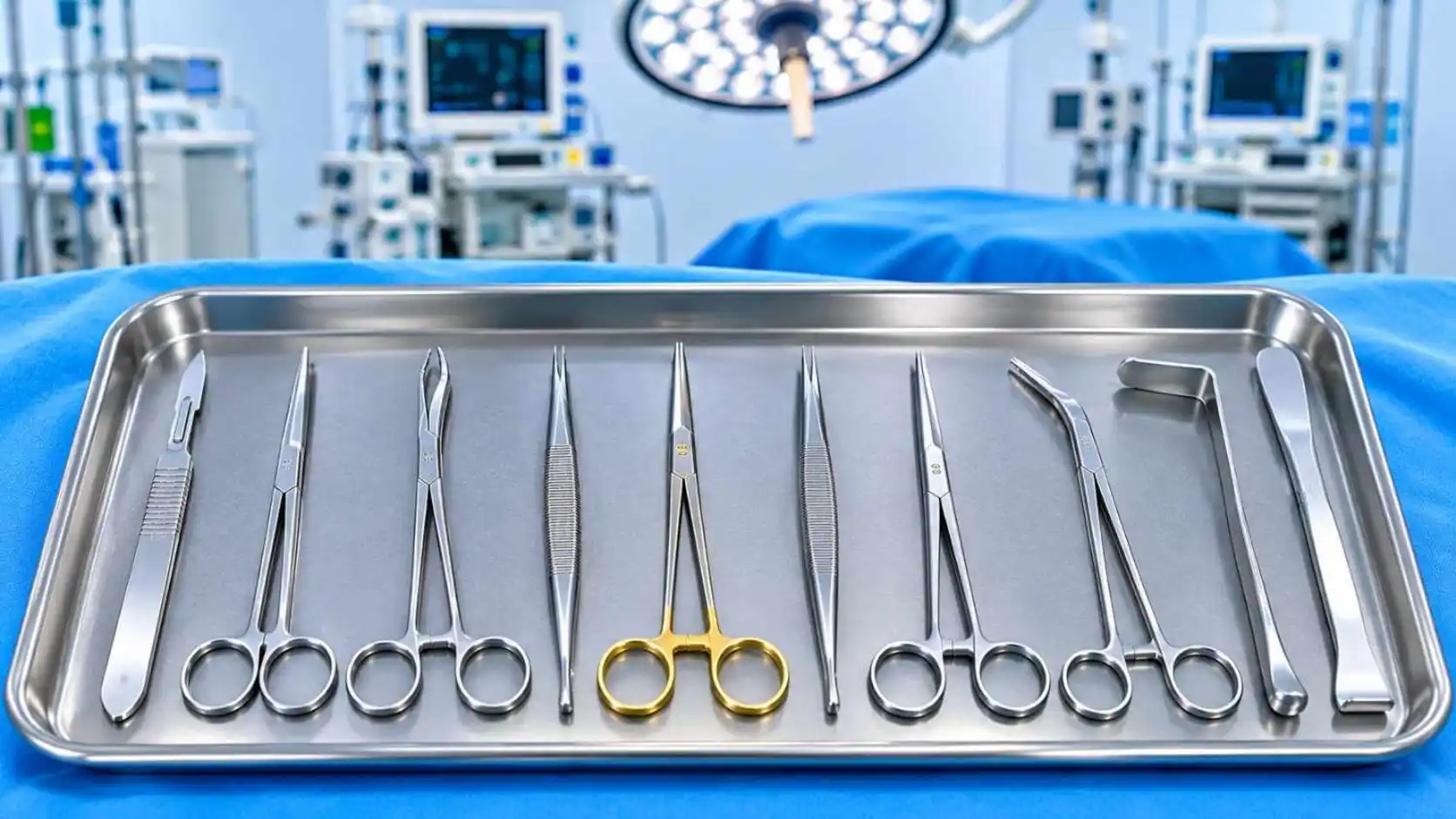
Why Quality Inspection Matters for Surgical Instruments
Surgical instruments are an important part of daily operations in hospitals and surgical centres. Their condition, construction, and ability to perform their intended function need regular attention. Even a well-designed instrument requires proper inspection and maintenance to remain suitable for its intended use.
In general surgery, instruments are used for different purposes, including cutting, grasping, retracting, clamping, and suturing. Each category has different design characteristics, so inspection requirements may also vary.
A systematic inspection process helps healthcare facilities identify visible damage, unusual movement, corrosion, alignment problems, and other issues that may affect an instrument's condition. Rather than waiting for a problem to become obvious during preparation, staff can follow established inspection procedures as part of routine instrument management.
Identifying Common Instrument Condition Issues
Different instruments may develop different types of problems depending on their design, frequency of use, handling, and maintenance history.
For example, scissors may require inspection of their blades, cutting action, and joint movement. Forceps should be checked for tip alignment and gripping surfaces. Hinged instruments such as clamps need attention to their joints and locking mechanisms.
Surface condition is another important aspect. Visible corrosion, scratches, rough areas, or changes in the instrument's finish should be reviewed according to the facility's inspection procedures.
These checks should be performed by trained personnel using appropriate methods. Instruments showing damage or questionable performance should be handled according to the facility's established procedures rather than being returned to use without evaluation.
Facilities sourcing General Surgery Instruments should also understand the importance of product specifications, construction quality, and manufacturer-provided care instructions before adding instruments to their collections.
Material Quality and Instrument Construction
Material selection plays an important role in the construction of surgical instruments. Buyers often review material information and manufacturing details when comparing different products.
Stainless steel is commonly used in surgical instrument manufacturing because of its relevant material properties, including corrosion resistance under appropriate conditions. However, the actual suitability of an instrument depends on its specific material grade, construction, intended use, and care requirements.
The quality of joints, working ends, handles, and surface finishing also deserves attention. Poor alignment or irregular movement may affect the way an instrument functions.
Healthcare procurement teams can request clear product information from manufacturers to understand the construction and specifications of different instruments. This is particularly useful when comparing similar products from different sources.
Why Cleaning and Maintenance Instructions Matter
Cleaning and maintenance are essential parts of managing reusable surgical instruments. Instruments should be processed according to the manufacturer's instructions and the healthcare facility's validated procedures.
Different designs may have different cleaning requirements. Hinged instruments, for instance, may need particular attention around joints and moving components. Instruments with complex structures may require additional care to ensure that accessible areas are properly processed.
After cleaning, instruments should undergo the inspection steps established by the facility. Staff should check for visible contamination, damage, corrosion, and any issues affecting movement or alignment before the next stage of processing.
Sterilisation should follow the applicable instructions and approved procedures. Storage conditions also matter because improper handling or storage can contribute to damage or deterioration.
A consistent maintenance approach helps healthcare facilities manage their instruments responsibly throughout their service life.
Maintaining Accurate Inspection and Maintenance Records
Inspection records provide useful information about the condition and history of surgical instruments. They can help healthcare facilities identify recurring issues and make more organised replacement decisions.
Records may include instrument identification details, inspection dates, observed problems, maintenance actions, and replacement information. Keeping these details consistent makes it easier to track individual instruments and review their condition over time.
For facilities managing several surgical departments, organised records can also help distinguish between different instrument sets. This is particularly useful when similar instruments are available in multiple sizes or configurations.
Inventory records should be updated whenever instruments are added, replaced, or withdrawn from service. This helps procurement teams maintain a more accurate understanding of available stock.
What Buyers Should Evaluate Before Purchasing
Quality inspection begins before an instrument reaches the hospital. Buyers can evaluate available product information and construction details during the purchasing process.
When comparing General Surgery Instruments Manufacturers, buyers may consider the manufacturer's product range, material information, specifications, design variations, and clarity of communication.
It is also useful to understand whether the manufacturer provides appropriate instructions for handling, cleaning, inspection, and maintenance. Such information helps healthcare facilities plan how instruments will be managed after purchase.
Hospitals may also work with General Surgery Instruments Suppliers and General Surgery Instruments Dealers when exploring product availability. Buyers should confirm dimensions, product descriptions, quantities, and other relevant details before placing orders.
For bulk purchasing requirements, General Surgery Instruments Wholesalers may provide another sourcing option. However, product specifications and suitability should always be evaluated carefully, regardless of the purchasing channel.
The Importance of Choosing an Experienced Manufacturing Partner
Selecting a suitable manufacturing partner involves more than comparing product prices. Healthcare buyers should understand the available instrument categories and review product details before making decisions.
For organisations researching General Surgery Instruments Manufacturers in India, clear product information and communication can make the evaluation process easier. Buyers may also compare the available designs and specifications according to their requirements.
Surgifact, associated with Vaishanav Surgicals, is based in Jalandhar, Punjab, India. With a legacy dating back to 1967, the business offers surgical instrument categories for hospitals, healthcare professionals, surgical centres, and medical distributors.
Its product categories include general surgery, vascular surgery, orthopaedics, ophthalmology, spine, neurology, and dental instruments. Buyers exploring General Surgery Instruments Manufacturers can review available product options according to their sourcing requirements.
Clear communication about product details, dimensions, and instrument variations can help purchasing teams understand what they are ordering and maintain accurate procurement records.
Building a Consistent Instrument Management Process
A good instrument management process connects purchasing, inspection, cleaning, maintenance, storage, and replacement planning. Each activity contributes to maintaining an organised instrument collection.
Healthcare facilities can establish clear procedures for checking instruments, recording observations, and handling products that require attention. Staff should also be familiar with the manufacturer's instructions and the facility's established processing requirements.
Regular inventory reviews can help identify instruments that are frequently used, products requiring replacement, and variations that need to be added to existing sets.
Communication between surgical departments and procurement teams is equally valuable. When staff share practical feedback about instrument condition and requirements, purchasing decisions can be based on better information.
Conclusion
Quality inspection is an essential part of surgical instrument management. Material, construction, surface condition, joint movement, cleaning, and maintenance all deserve attention when managing reusable instruments.
Healthcare facilities can develop a more consistent approach by following inspection procedures, maintaining accurate records, and reviewing product information before purchasing. Working with manufacturers and suppliers who provide clear specifications can further support informed sourcing decisions.
A structured approach to inspection and maintenance helps healthcare organisations manage their instrument collections with greater care and clarity.

 English
 French
 Spanish
 Portuguese
 Deutsch
 Turkish
 Dutch
 Italiano
 Russian
 Romaian
 Portuguese (Brazil)
 Greek
