

Do Wasps Return After Their Nest Has Been Removed?
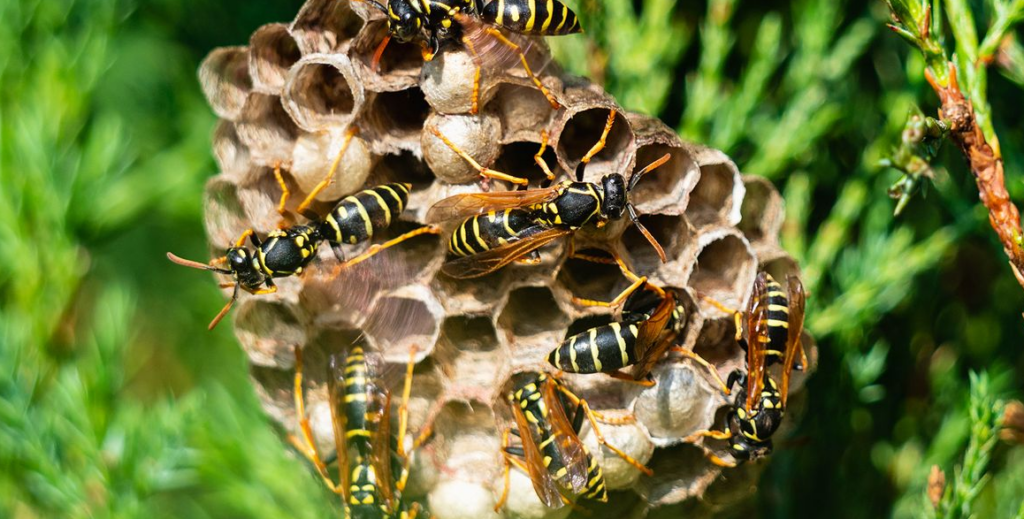
Finding a wasp nest around your home or business can be an unpleasant experience. After arranging professional removal, many property owners wonder whether the wasps will return to the same location or establish another nest nearby. Although removing an existing nest addresses the immediate problem, it does not always prevent future wasp activity.
Wasps may revisit areas that previously provided suitable shelter, food and nesting conditions. Depending on the species, surrounding environment and time of year, new colonies may also develop in the same general area. Understanding why this happens and what you can do afterwards can help reduce the likelihood of another infestation.
1. Can Wasps Return to the Same Nest After Removal?
In most cases, a properly treated and removed colony will not continue using the original nest. However, this does not mean that wasps will never appear around the property again.
Some worker wasps may still be away from the nest when treatment takes place. These returning insects might continue searching around the previous nesting location because they are familiar with the area.
Their presence does not necessarily mean the original colony is still active. It is important to distinguish between occasional returning insects and continued activity from an established nest.
If you notice repeated wasp activity after removal, arrange a follow-up assessment to determine whether further treatment is required.
2. Why Do Wasps Keep Returning to the Same Location?
Wasps may revisit a property for several reasons. Even after a nest has been removed, the surrounding environment may continue to attract them.
Common reasons include:
-
Suitable shelter: Roof cavities, sheds, wall openings and sheltered outdoor structures may provide favourable nesting locations.
-
Accessible food: Fallen fruit, uncovered rubbish bins, pet food and sugary substances can attract foraging wasps.
-
Nearby vegetation: Gardens and flowering plants may provide food sources for different wasp species.
-
Unsealed openings: Gaps beneath roof tiles, eaves and exterior walls can provide access to potential nesting areas.
-
Previous nesting conditions: The location may continue to offer protection from weather and disturbance.
Removing the original nest addresses the colony, but improving these surrounding conditions can help reduce the chances of future activity.
3. Can a New Wasp Colony Build a Nest in the Same Place?
Yes. A new colony may establish a nest in the same general area if the conditions remain suitable.
During warmer months, queen wasps of certain social species search for sheltered locations where they can begin establishing new colonies. These locations may include roof spaces, garden structures, wall cavities and sheltered sections of buildings.
If a previous nest was located beneath an eave or inside a shed, the same area may remain attractive to other nesting queens.
This is why property owners should inspect previous nesting locations periodically, particularly during periods of increased wasp activity.
4. Does Removing the Nest Get Rid of All Wasps?
Removing a nest does not necessarily eliminate every wasp around your property.
Some workers may be away from the colony when treatment occurs. Other wasps may be attracted to nearby food sources or may belong to different colonies in the surrounding neighbourhood.
It is also possible to see native wasps visiting gardens even when there is no infestation.
For this reason, occasional sightings after treatment should not automatically be considered a failed removal. However, repeated activity around the original nesting area should be investigated.
Professional technicians can assess whether the remaining insects are associated with the previous colony or indicate another nesting problem.
5. How Can You Prevent Wasps From Building Another Nest?
Although it is impossible to guarantee that wasps will never return, maintaining your property can reduce the number of suitable nesting and feeding opportunities.
Consider the following preventive measures:
Keep rubbish bins covered: Secure bin lids and dispose of food waste regularly. Exposed rubbish can attract wasps searching for food.
Remove fallen fruit: Collect overripe fruit from gardens and outdoor areas to reduce available food sources.
Maintain roof spaces: Arrange repairs for damaged roof tiles, loose fascia boards and other structural gaps once any existing nest has been treated.
Check outdoor structures: Inspect sheds, garages, pergolas and sheltered garden areas for early signs of nest development.
Clean outdoor dining areas: Remove leftover food, sweet drinks and food scraps after outdoor meals.
Manage garden maintenance: Keep outdoor areas tidy and remove unnecessary debris that may provide sheltered nesting opportunities.
These steps can make your property less attractive to wasps while helping you identify unusual activity earlier.
6. How Long Should You Monitor the Area After Nest Removal?
It is sensible to monitor the affected area following professional treatment. The appropriate follow-up period depends on the wasp species, nest location and treatment method.
During the initial period, observe the previous nesting location from a safe distance. Look for repeated flying activity, insects entering and leaving the same opening or other signs that suggest an active nest may remain.
Avoid disturbing the treated area or attempting to remove remaining nest material without professional guidance.
If activity continues or increases, contact the service provider for further advice. A follow-up inspection can help determine whether additional treatment or maintenance is necessary.
7. What Should You Do If Wasps Appear Again?
Seeing wasps after nest removal can be concerning, especially when the original nest was close to an entrance, roof cavity or outdoor living space.
Instead of attempting another removal yourself, take a few precautions:
-
Keep children and pets away from the affected area.
-
Avoid disturbing the previous nesting location.
-
Do not block openings where wasps are entering or leaving.
-
Avoid spraying household chemicals directly into suspected nesting areas.
-
Observe their movements from a safe distance.
-
Contact a professional if repeated activity continues.
If the insects are gathering around the same location, a technician can determine whether another nest has developed or whether the activity is unrelated to the previous infestation.
8. When Should You Arrange Professional Wasp Control?
Professional assistance is particularly important when wasps establish nests in difficult-to-access locations such as roof cavities, wall spaces, underground areas and elevated structures.
Experienced technicians can inspect the affected property, identify the likely species and recommend an appropriate treatment approach.
For homeowners and businesses seeking reliable wasp nest removal services Melbourne, professional assistance can help manage existing colonies and assess potential nesting risks.
Local property owners can also find relevant service information for wasp removal East Melbourne and wasp control Richmond.
For properties experiencing recurring wasp activity in Melbourne's south-eastern suburbs, wasp removal Berwick is another available service option.
The right approach depends on the location of the nest, the species involved and the surrounding conditions. Professional assessment can help address the problem without unnecessarily disturbing other insects or nesting areas.
9. Are Wasps More Likely to Return During Certain Seasons?
Wasp activity often becomes more noticeable during warmer months. Seasonal conditions influence nesting behaviour, food availability and colony development.
In spring, queen wasps of social species may begin establishing new nests. During summer, colonies can become larger and worker activity may increase. Towards autumn, some species become more noticeable around outdoor food and rubbish.
This seasonal behaviour means that a property where a nest was previously removed may experience new wasp activity later in the year.
Regular inspections of sheltered areas and early attention to unusual insect movements can help property owners recognise potential problems before a new colony becomes established.
Conclusion
Wasps do not necessarily return to an old nest after it has been professionally removed, but they may revisit the surrounding area or establish a new colony nearby. Suitable shelter, accessible food and unsealed openings can all contribute to recurring wasp activity.
Following removal, monitor the affected location, maintain your property and address potential nesting opportunities. If wasps continue gathering around the same area, arrange a professional inspection rather than attempting to handle the problem yourself.
Taking these precautions can help reduce future nesting risks and keep your home or business more comfortable throughout Melbourne's warmer months.

 English
 Arabic
 French
 Spanish
 Portuguese
 Turkish
 Dutch
 Italiano
 Russian
 Romaian
 Portuguese (Brazil)
 Greek
