

The Complete Guide to Designing an Attractive and Functional Exhibition Booth
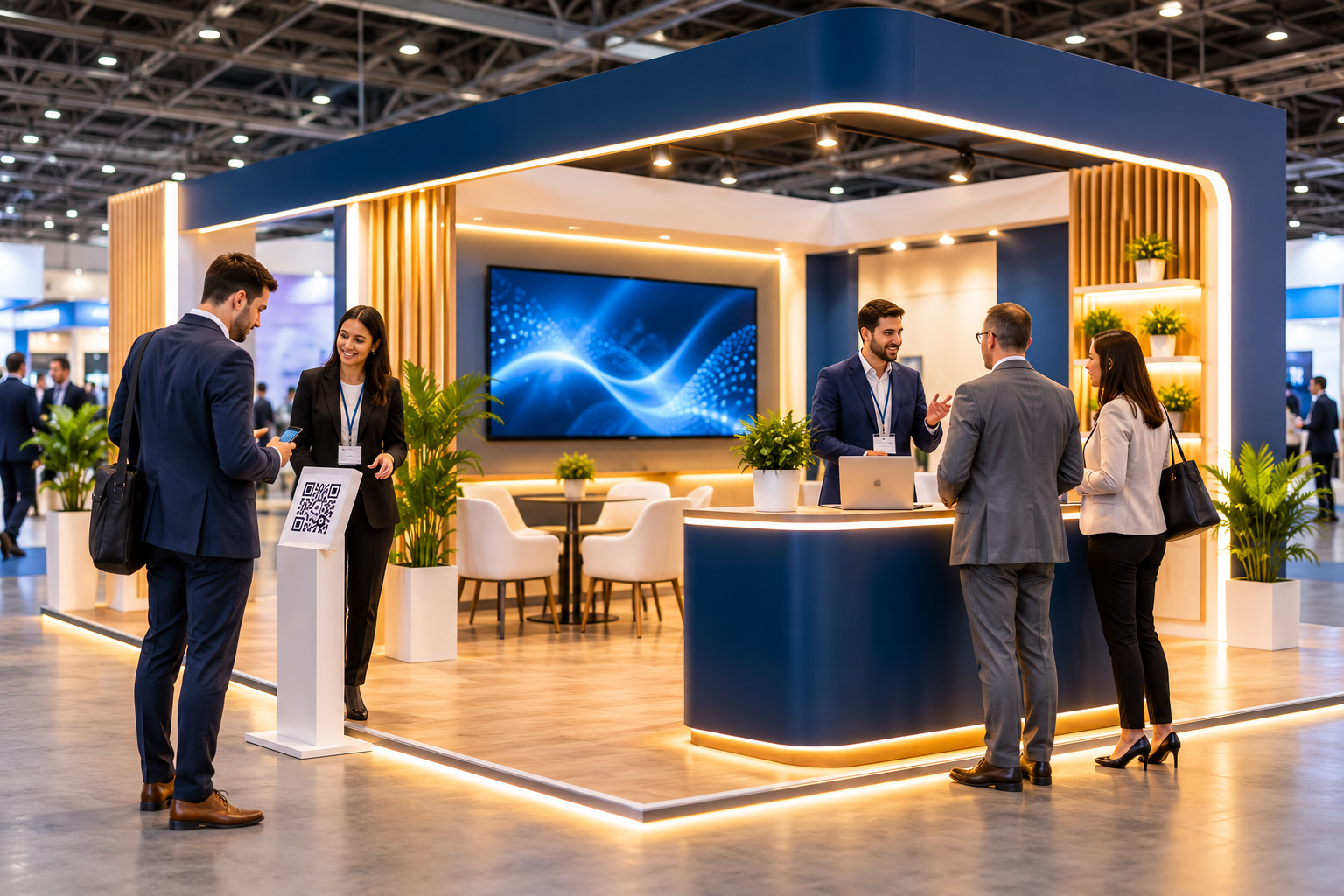
Designing a successful exhibition booth requires more than an attractive layout or eye-catching graphics. A well-planned booth should communicate your brand identity, attract visitors, encourage meaningful conversations, and support your business objectives. Professional Exhibition Booth Builders help businesses transform their ideas into engaging exhibition spaces that balance visual appeal with practical functionality. Whether you are preparing for a major industry trade show or a specialized business exhibition, the right design strategy can make your booth more memorable and effective.
1. Understand Your Exhibition Goals
Before beginning the design process, identify what you want to achieve at the exhibition. Your goals will influence every decision, from booth size and layout to graphics and interactive features.
Common exhibition objectives include:
-
Generating qualified business leads
-
Launching new products or services
-
Increasing brand awareness
-
Building relationships with existing customers
-
Meeting distributors and business partners
-
Demonstrating products and solutions
-
Strengthening your position in the industry
For example, a company focused on lead generation may need a welcoming reception counter, private discussion areas, and digital lead-capture tools. A business launching a new product may benefit from a dedicated demonstration zone.
Establishing clear objectives helps ensure that your booth design supports measurable business outcomes rather than focusing only on appearance.
2. Know Your Target Audience
A successful exhibition booth is designed around the people who will visit it. Understanding your target audience helps you create an environment that feels relevant, welcoming, and useful.
Consider the following questions:
-
Who are your ideal visitors?
-
What challenges are they trying to solve?
-
Which products or services interest them most?
-
What information will help them make purchasing decisions?
-
Are they technical buyers, business executives, distributors, or general consumers?
For instance, a technology company exhibiting at an industry event may need product demonstrations, technical information, and knowledgeable representatives. A consumer brand may prioritize interactive experiences, product displays, and attractive visuals.
When your booth addresses visitor needs, people have more reasons to stop, explore, and engage with your team.
3. Select the Right Booth Size and Location
Booth size affects your design possibilities, visitor capacity, and overall exhibition budget. However, a larger booth does not automatically guarantee better results.
Choose a booth size based on your objectives, available budget, product requirements, and expected visitor traffic.
Common exhibition booth formats
Inline booths: These booths are generally arranged in a straight row with neighboring exhibitors on either side. They work well for businesses that need a compact and organized presentation.
Corner booths: Located at the end of an aisle, corner booths usually offer two open sides. They provide additional visibility and opportunities for visitor access.
Peninsula booths: These booths are typically open on three sides and can support larger displays, product demonstrations, and multiple visitor zones.
Island booths: Surrounded by aisles on all four sides, island booths offer maximum accessibility and significant creative freedom. They are suitable for businesses seeking a prominent exhibition presence.
Before finalizing your design, review the event's exhibitor manual. It contains important information about booth dimensions, height restrictions, hanging signs, electrical access, and construction guidelines.
4. Create a Strong Booth Layout
Your booth layout determines how visitors enter, move through, and interact with the space. Even an impressive design can become ineffective if visitors cannot navigate it comfortably.
A functional layout should provide:
-
Clear entry and exit points
-
An accessible reception area
-
Organized product display zones
-
Comfortable conversation spaces
-
Sufficient room for staff movement
-
Storage for promotional materials and personal belongings
-
Unobstructed visitor pathways
Use different zones for different activities
Dividing the booth into functional zones can improve the visitor experience.
| Booth zone | Primary purpose |
|---|---|
| Reception area | Welcome visitors and introduce the brand |
| Product display area | Present products and key features |
| Demonstration zone | Explain how products or services work |
| Meeting space | Conduct business conversations |
| Storage area | Keep materials and equipment organized |
| Interactive zone | Encourage visitor participation |
Avoid overcrowding the booth with unnecessary furniture or displays. An open and organized layout often makes a stronger impression than a space filled with too many elements.
5. Develop a Consistent Brand Identity
Your exhibition booth should communicate your brand clearly and consistently. Visitors should understand who you are and what your business offers within a few seconds.
Use your established brand elements throughout the design, including:
-
Company logo
-
Brand colors
-
Typography
-
Brand messaging
-
Product imagery
-
Visual identity guidelines
Your logo should be positioned where visitors can easily see it, including from a distance. Avoid using too many colors, fonts, or competing visual elements.
A consistent design creates recognition and makes your booth look professional. It also helps visitors connect the exhibition experience with your company's broader marketing activities.
6. Use Eye-Catching Graphics and Messaging
Graphics play an important role in attracting attention and communicating information. However, effective booth graphics should be simple, readable, and relevant.
Visitors often walk through exhibition halls quickly. They may only spend a few seconds looking at each booth before deciding whether to stop.
Follow these graphic design principles:
Keep messages short
Use concise headlines that communicate your main offering. Avoid long paragraphs and complicated descriptions on large display panels.
Highlight your value proposition
Explain what makes your business different. Focus on the benefits customers receive rather than listing every product feature.
Use high-quality images
Professional product photographs, lifestyle visuals, and industry-related images can make your booth more engaging.
Maintain readability
Choose appropriate font sizes and strong contrast between text and background colors. Important messages should remain visible from different viewing distances.
Avoid visual clutter
Too many graphics can distract visitors. Prioritize the information that matters most to your audience.
7. Choose the Right Lighting
Lighting can change the appearance of an exhibition booth and influence how visitors perceive your products and brand.
A thoughtful lighting plan improves visibility, creates atmosphere, and draws attention to important areas.
Consider using different lighting techniques:
-
Ambient lighting: Provides general illumination throughout the booth.
-
Accent lighting: Highlights specific products, displays, or architectural details.
-
Backlighting: Makes logos, graphics, and translucent panels more noticeable.
-
Spotlighting: Directs visitor attention toward important features.
-
LED lighting: Offers flexible design possibilities and energy-efficient illumination.
Avoid lighting that is excessively bright, uncomfortable, or inconsistent with your brand image. Test lighting positions before the event to ensure that products and graphics look clear under exhibition hall conditions.
8. Design Effective Product Displays
Product presentation is one of the most important parts of an exhibition booth, especially for companies introducing physical products or technical solutions.
Your display should make products easy to see, understand, and explore.
Consider these strategies:
-
Position your most important products in visible locations.
-
Group related products into logical categories.
-
Provide clear product descriptions and specifications.
-
Use demonstration counters for products that require explanation.
-
Keep display surfaces clean and organized.
-
Provide enough space for visitors to examine products safely.
For large or heavy products, plan transportation, installation, electrical requirements, and structural support in advance.
A well-organized product display allows visitors to understand your offerings without feeling overwhelmed.
9. Incorporate Technology and Interactive Features
Technology can make an exhibition booth more engaging and provide additional ways for visitors to learn about your business.
However, technology should serve a clear purpose rather than being included only because it looks impressive.
Useful options include:
Digital screens: Display product videos, company presentations, case studies, and promotional content.
Touchscreen displays: Allow visitors to explore product catalogs, technical information, or interactive presentations.
QR codes: Provide quick access to websites, brochures, product specifications, and contact forms.
Virtual demonstrations: Help explain products or services that are difficult to display physically.
Interactive presentations: Encourage visitors to participate in quizzes, product comparisons, or guided demonstrations.
Lead-capture technology: Helps exhibition teams collect visitor information and organize follow-up activities.
Always test your devices, internet connection, software, and electrical setup before the event. Keep a backup plan ready in case technical equipment stops working.
10. Make Your Booth Visitor-Friendly
An attractive booth may capture attention, but a comfortable environment encourages visitors to stay longer.
Think about the visitor journey from the moment someone approaches your booth.
A visitor-friendly exhibition space should include:
-
Clear signage and easy navigation
-
Friendly and approachable staff
-
Comfortable discussion areas
-
Accessible product information
-
Adequate lighting and ventilation where permitted
-
Unobstructed pathways
-
Convenient access to demonstrations
Make sure your staff members understand the booth layout and know where to direct different types of visitors.
If your booth attracts a large number of people, organize the space to prevent congestion around reception counters and product displays.
11. Select Suitable Furniture and Materials
Furniture contributes to both the appearance and functionality of an exhibition booth.
Choose furniture that matches your brand identity and supports the activities taking place in the space.
Common options include:
-
Reception counters
-
Bar-height tables
-
Meeting tables
-
Comfortable chairs
-
Display cabinets
-
Product pedestals
-
Lockable storage units
Material selection is equally important. The materials should match your design concept, meet event regulations, and withstand transportation and installation requirements.
Common booth materials include wood, aluminum, acrylic, fabric graphics, glass, and modular framing systems.
Consider durability, weight, maintenance, appearance, and reuse potential before making a decision.
12. Consider Custom and Modular Booth Designs
Businesses can choose between custom-built exhibition booths and modular systems depending on their objectives and exhibition schedules.
| Factor | Custom booth | Modular booth |
|---|---|---|
| Design flexibility | High | Based on available configurations |
| Brand personalization | Extensive | Flexible within system limitations |
| Reusability | Depends on construction | Generally high |
| Setup requirements | Can be more complex | Often more standardized |
| Best suited for | Distinctive brand experiences | Repeat exhibitions and adaptable layouts |
Custom booths are useful when a business needs a distinctive architectural concept or specialized product presentation.
Modular booths offer flexibility and can be reconfigured for different event spaces. They may also support more efficient storage and transportation.
The right option depends on your budget, event requirements, brand strategy, and long-term exhibition plans.
13. Plan Storage and Operational Requirements
Storage is often overlooked during the early design stage. However, it plays an important role in keeping your booth organized throughout the event.
You may need space for:
-
Marketing brochures
-
Product samples
-
Promotional merchandise
-
Staff belongings
-
Cleaning supplies
-
Spare equipment
-
Packaging materials
Hidden storage compartments can help maintain a clean appearance while keeping essential items accessible.
Also consider operational requirements such as electrical outlets, cable management, internet access, waste disposal, and equipment placement.
Discuss these details with your booth design team before production begins.
14. Focus on Accessibility and Safety
A well-designed booth should be accessible and safe for visitors, staff, and installation teams.
Plan clear pathways and avoid unnecessary obstacles. Where possible, provide accessible entry points and sufficient space for visitors with mobility requirements.
Important safety considerations include:
-
Stable structures and secure fixtures
-
Proper cable management
-
Safe electrical connections
-
Appropriate lighting
-
Fire-retardant materials where required
-
Compliance with venue regulations
-
Clear emergency access routes
Check all relevant event and venue guidelines before finalizing construction. Requirements can differ between exhibition centers and events.
15. Set a Realistic Exhibition Booth Budget
Your budget should cover more than booth design and construction. A complete exhibition plan includes several expenses that can affect the final investment.
Typical cost categories include:
| Expense category | What it covers |
|---|---|
| Design and planning | Concept development and technical drawings |
| Booth construction | Materials, fabrication, and finishing |
| Graphics and branding | Printed panels, signage, and visual elements |
| Lighting and technology | Screens, electrical equipment, and displays |
| Furniture | Counters, tables, chairs, and storage |
| Transportation | Shipping and logistics |
| Installation | Setup and dismantling services |
| Additional expenses | Venue services and contingency costs |
Request detailed quotations and understand what each proposal includes. Compare design quality, materials, project management, installation services, and post-event support instead of selecting a provider based only on the lowest price.
16. Work with Experienced Exhibition Booth Builders
Professional support can make the entire exhibition process easier to manage. Experienced Exhibition Booth Builders understand how to translate business requirements into practical booth designs.
A reliable partner can help with:
-
Initial concept development
-
Space planning and layout design
-
3D booth visualization
-
Material selection
-
Graphic production
-
Fabrication and construction
-
Transportation coordination
-
Installation and dismantling
-
Project management
Before choosing a builder, review their portfolio, previous projects, communication process, and understanding of exhibition regulations.
Ask whether they can manage the complete project or provide only selected services. A clearly defined scope helps avoid misunderstandings and unexpected costs.
17. Use 3D Visualization Before Production
Three-dimensional visualization allows businesses to review a booth concept before physical construction begins.
It helps you understand how the final space may look and function from different angles.
With a 3D design, you can evaluate:
-
Overall booth proportions
-
Visitor movement
-
Branding placement
-
Product visibility
-
Furniture positioning
-
Lighting arrangements
-
Storage locations
-
Structural elements
This process also makes it easier to identify design problems early, when changes are generally simpler to implement.
Share your feedback with the design team and finalize important details before approving production drawings.
18. Prepare Your Booth for Installation
Even a well-designed booth needs proper execution. Installation planning ensures that the finished structure is ready before the exhibition opens.
Create an installation checklist covering:
-
Final design approval
-
Production schedule
-
Transportation arrangements
-
Venue access and installation passes
-
Electrical requirements
-
Furniture delivery
-
Graphics and signage
-
Technology testing
-
Final cleaning
-
Safety inspection
Coordinate with event organizers and contractors to understand setup deadlines and venue restrictions.
Allow sufficient time for unexpected delays. A rushed installation can affect the quality and safety of the final booth.
19. Train Your Exhibition Staff
Your booth design creates the first impression, but your staff influence the quality of the visitor experience.
Prepare your team before the event begins.
Staff members should understand:
-
The company's key products and services
-
The main exhibition objectives
-
Important brand messages
-
Common customer questions
-
Lead qualification procedures
-
Product demonstration steps
-
Follow-up expectations
Encourage staff to welcome visitors naturally instead of immediately delivering a sales pitch. Asking relevant questions and listening carefully can lead to more meaningful conversations.
20. Measure Your Booth's Performance After the Event
The exhibition process should not end when the booth is dismantled. Measuring results helps you understand what worked and what should be improved for future events.
Useful performance indicators include:
-
Total visitors engaged
-
Qualified leads collected
-
Product demonstrations completed
-
Meetings scheduled
-
Business opportunities generated
-
Customer feedback received
-
Sales influenced by the event
-
Cost per qualified lead
Compare these results with your original objectives. You can also collect feedback from staff members to identify layout problems, visitor-flow challenges, and opportunities for improvement.
A post-event review turns each exhibition into a learning opportunity.
Conclusion
Designing an attractive and functional exhibition booth requires careful planning, clear objectives, effective branding, thoughtful space utilization, and attention to visitor experience. Every element—from lighting and graphics to product displays and meeting areas—should contribute to a consistent exhibition strategy.
Businesses that combine creative design with practical execution can create spaces that attract attention, encourage engagement, and support meaningful business conversations. Working with experienced Exhibition Booth Builders can help transform your exhibition ideas into a professional booth that reflects your brand, meets event requirements, and delivers a memorable experience for visitors.

 English
 Arabic
 French
 Spanish
 Portuguese
 Deutsch
 Turkish
 Italiano
 Russian
 Romaian
 Portuguese (Brazil)
 Greek
