

Can Weight Loss Injections Help With Stubborn Fat?
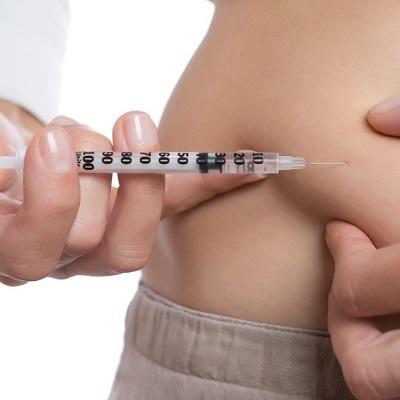
Stubborn fat can be frustrating, particularly when certain areas of the body seem resistant to diet changes and regular exercise. Even individuals who follow a balanced lifestyle and maintain an active routine may struggle to achieve their desired body shape. Fat accumulation around the abdomen, hips, thighs, and other areas can sometimes be influenced by genetics, hormones, age, and metabolic factors. For people who find traditional weight management approaches challenging, medical weight management options may offer additional support.
One increasingly discussed option is Weight Loss Injections, which are prescription-based treatments designed to support weight management in eligible individuals. These injections can help regulate appetite, improve feelings of fullness, and reduce overall calorie intake. Although they are not specifically designed to target stubborn fat in particular body areas, they may contribute to overall body fat reduction when combined with healthy eating habits, physical activity, and appropriate medical guidance.
1. Understanding Stubborn Fat and Why It Can Be Difficult to Lose
Stubborn fat refers to fat deposits that remain noticeable even when someone follows a consistent diet and exercise routine. It commonly develops around the abdomen, hips, thighs, upper arms, and lower back. While these areas can be particularly resistant to change, the way the body stores and releases fat varies from person to person.
Several factors can influence stubborn fat accumulation:
-
Genetics: Family history can influence where the body stores fat and how easily different areas respond to weight loss.
-
Hormonal changes: Hormonal fluctuations can affect appetite, metabolism, and fat distribution.
-
Age: Metabolism, muscle mass, and hormonal activity can change over time, potentially making weight management more challenging.
-
Lifestyle habits: Poor sleep, prolonged inactivity, stress, and excessive calorie intake can contribute to increased body fat.
-
Metabolic health: Certain medical conditions and medications can influence body weight and fat storage.
It is important to understand that fat loss does not happen evenly throughout the body. Some individuals notice changes in their face or upper body before seeing significant differences around the waist or thighs. This is a normal variation in how the body responds to weight reduction.
2. How Do Weight Loss Injections Work?
Weight loss injections are medical treatments that can support individuals who struggle to manage their weight through lifestyle changes alone. Many commonly prescribed injectable weight management medications belong to a group of medicines that influence hormones involved in appetite regulation and blood sugar control.
Some treatments work by mimicking the action of a naturally occurring hormone called glucagon-like peptide-1 (GLP-1). This hormone plays an important role in regulating appetite, digestion, and glucose levels.
Depending on the medication, these injections may support weight management through several mechanisms:
Reducing Appetite: Certain medications act on appetite-regulating pathways in the brain, helping individuals experience less hunger and reducing the urge to eat frequently.
Increasing Fullness: These treatments can slow stomach emptying, helping food remain in the stomach for longer and potentially allowing individuals to feel satisfied after smaller meals.
Supporting Blood Sugar Regulation: Some injectable medications improve blood sugar control by influencing insulin release and other metabolic processes.
Reducing Calorie Intake: When hunger decreases and fullness increases, individuals may find it easier to maintain a calorie deficit, which is necessary for weight loss.
The exact effects depend on the prescribed medication, dosage, individual health, and response to treatment. Not all weight loss injections work in exactly the same way, so medical assessment is essential before starting any treatment.
3. Can Weight Loss Injections Actually Help With Stubborn Fat?
Weight loss injections can help reduce overall body fat, which may eventually make stubborn areas less noticeable. However, they do not directly target fat cells in specific locations.
The distinction is important because many people assume that injectable weight management treatments can selectively remove abdominal fat, slim the thighs, or reduce fat around the arms. In reality, most prescription weight loss injections work systemically, meaning they influence processes throughout the body rather than focusing on one particular area.
As overall body weight decreases, the body gradually uses stored energy from different fat deposits. This can lead to improvements in several areas, including:
-
Abdominal fat: Overall weight reduction may help decrease fat around the waist and abdomen.
-
Hip and thigh fat: These areas may become smaller as total body fat decreases.
-
Upper-body fat: Some individuals notice changes around the back, arms, and chest.
-
Facial fullness: Weight reduction may also affect facial fat distribution.
However, the rate and extent of fat reduction vary significantly. Genetics, hormones, age, starting weight, and individual metabolism all influence where the body loses fat first.
It is also worth distinguishing between subcutaneous fat, which sits beneath the skin, and visceral fat, which surrounds internal organs. Excess visceral fat is associated with several metabolic health risks. Weight loss may help reduce both types of fat, although individual results differ.
Therefore, weight loss injections may help individuals who want to reduce stubborn fat indirectly by supporting overall weight management rather than providing targeted fat removal.
4. Who May Benefit From Weight Loss Injections?
Weight loss injections may be appropriate for adults who have difficulty achieving or maintaining a healthy weight through lifestyle changes alone. However, they are not suitable for everyone and should only be considered following an appropriate medical assessment.
Depending on the specific medication and local prescribing guidelines, eligible candidates may include individuals who:
-
Have obesity or a body mass index (BMI) of 30 or above.
-
Have a BMI of 27 or above alongside certain weight-related health conditions.
-
Have struggled with long-term weight management despite making lifestyle improvements.
-
Experience persistent hunger or difficulty controlling portion sizes.
-
Need additional medical support to improve weight-related health risks.
Some individuals may be interested in these treatments simply because they have stubborn fat around certain body areas. However, having a small amount of resistant fat does not automatically make someone a suitable candidate.
People who are already within a healthy weight range and only want to reduce isolated fat deposits may benefit more from discussing other body-contouring approaches with a qualified medical professional.
A proper assessment typically considers medical history, current medications, weight-related health concerns, previous weight management attempts, and individual treatment goals.
5. What Results Can Individuals Expect?
Results from weight loss injections vary depending on the medication, dosage, treatment duration, lifestyle habits, and individual response. Some people notice changes in appetite and eating patterns relatively early, while measurable changes in body weight generally develop over time.
It is important to maintain realistic expectations. These treatments are not instant fat-removal solutions, and they do not guarantee a particular body shape.
Several factors can influence treatment outcomes:
Consistency With Treatment: Following the prescribed treatment schedule is important for achieving the intended results. Dosage adjustments should only be made under medical supervision.
Healthy Eating Habits: A balanced diet containing vegetables, fruits, lean proteins, whole grains, and healthy fats can support weight management.
Regular Physical Activity: Exercise helps maintain muscle mass, improve cardiovascular health, and support overall metabolic function.
Adequate Sleep: Poor sleep can influence hunger hormones and appetite, making weight management more difficult.
Individual Metabolism: Different people respond differently to treatment, so results cannot be predicted with complete accuracy.
Some individuals may experience substantial weight reduction, while others achieve more modest changes. Treatment response should be evaluated over time rather than judged by short-term fluctuations on the weighing scale.
Additionally, losing weight does not necessarily mean every stubborn area will disappear completely. The body's natural fat distribution and skin elasticity can influence the final appearance.
6. Are Weight Loss Injections Safe? Understanding Possible Side Effects
Prescription weight loss injections can be effective for suitable individuals, but like other medications, they may cause side effects. Understanding these potential effects is an important part of making an informed treatment decision.
Common side effects associated with certain GLP-1-based medications include:
-
Nausea, particularly when beginning treatment or increasing the dosage.
-
Vomiting or diarrhoea.
-
Constipation.
-
Abdominal discomfort or bloating.
-
Reduced appetite.
-
Acid reflux or indigestion.
These symptoms are often more noticeable during the early stages of treatment and may improve as the body adjusts. However, persistent or severe symptoms should always be discussed with a healthcare professional.
Less common but potentially serious complications can include pancreatitis, gallbladder problems, dehydration-related kidney complications, and severe gastrointestinal symptoms. Some medications also carry specific warnings and precautions.
Certain individuals may not be suitable candidates, including people with particular medical histories or contraindications listed for the prescribed medication. For example, some GLP-1 medications carry warnings concerning personal or family histories of medullary thyroid carcinoma or multiple endocrine neoplasia syndrome type 2.
These medications may also require special consideration during pregnancy, breastfeeding, or when managing other medical conditions.
Weight loss injections should never be purchased from unverified sources or used without appropriate medical supervision. A qualified healthcare professional can assess suitability, explain potential risks, and recommend the safest approach.
7. How to Maximise Weight Loss Results Alongside Treatment
Weight loss injections generally work best as part of a comprehensive weight management plan. Relying entirely on medication without making supportive lifestyle changes may limit long-term success.
A few practical habits can help individuals achieve more sustainable outcomes.
Prioritise Protein-Rich Foods
Protein supports muscle maintenance and helps promote feelings of fullness. Including foods such as eggs, fish, chicken, beans, lentils, and yoghurt can help create balanced meals.
Include Fibre in Daily Meals
Vegetables, fruits, legumes, and whole grains provide dietary fibre, which supports digestion and can contribute to better appetite control.
Stay Physically Active
A combination of walking, cardiovascular exercise, and resistance training can support overall health. Strength training is particularly valuable because it helps preserve lean muscle during weight reduction.
Drink Enough Water
Adequate hydration supports normal bodily functions and may help reduce discomfort associated with dehydration, especially if gastrointestinal side effects occur.
Monitor Progress Beyond Body Weight
Changes in waist measurements, energy levels, physical fitness, and general health can also provide useful information about progress.
Focus on Long-Term Habits
Extreme dieting and excessive exercise are rarely sustainable. Gradual improvements in daily habits are generally more practical and easier to maintain.
Individuals should also understand that stopping certain weight loss medications may lead to weight regain, particularly if the underlying appetite and lifestyle challenges return. A long-term maintenance strategy should therefore be discussed before and during treatment.
Frequently Asked Questions
1. Can weight loss injections specifically target belly fat?
No. Most prescription weight loss injections do not directly target belly fat or any other specific body area. They work by influencing appetite, fullness, and other metabolic processes, which can support overall weight reduction. As body weight decreases, abdominal fat may also decrease.
2. How long does it take to see results from weight loss injections?
The timeline varies depending on the medication, dosage, individual metabolism, and lifestyle habits. Some individuals notice reduced appetite within the initial stages of treatment, while noticeable weight changes generally take longer. Consistent use under medical supervision and realistic expectations are important.
3. Do weight loss injections help reduce stubborn thigh and hip fat?
They may help indirectly. Weight loss injections can support overall body fat reduction, which may eventually reduce fat around the hips and thighs. However, they cannot guarantee targeted fat loss, and the body's natural fat distribution influences individual results.
4. Can someone use weight loss injections without exercising?
Although weight loss may occur without a structured exercise programme, physical activity is an important part of maintaining overall health and preserving muscle mass. Combining prescribed treatment with regular movement and balanced nutrition can support better long-term outcomes.
5. What happens when someone stops using weight loss injections?
Some individuals experience increased appetite and gradual weight regain after stopping treatment. The likelihood of regaining weight depends on several factors, including the medication, individual biology, and lifestyle habits. A healthcare professional can help develop an appropriate long-term maintenance plan.
6. Are weight loss injections suitable for everyone with stubborn fat?
No. These treatments are generally intended for individuals who meet specific medical criteria for weight management. Someone who is already at a healthy weight but has isolated fat deposits may not be an appropriate candidate. A professional assessment can help determine which approach is most suitable.
Final Thoughts
Weight loss injections can provide valuable support for individuals who struggle with excess weight and find traditional weight management approaches challenging. By helping regulate appetite, increase feelings of fullness, and reduce overall calorie intake, certain prescription medications can contribute to meaningful weight reduction.
However, they are not designed to selectively remove stubborn fat from areas such as the abdomen, hips, or thighs. Instead, their benefits come from supporting overall weight loss, which may gradually improve body composition and reduce fat in different areas.
The most successful approach combines appropriate medical treatment with balanced nutrition, regular physical activity, and sustainable lifestyle habits. Understanding the potential benefits, limitations, and side effects can help individuals make informed decisions about their weight management journey.
Read More About Weight Loss Injections: https://fakebook.com.br/blogs/7531/Do-You-Need-to-Follow-a-Diet-While-Using-Weight

 English
 Arabic
 Spanish
 Portuguese
 Deutsch
 Turkish
 Dutch
 Italiano
 Russian
 Romaian
 Portuguese (Brazil)
 Greek
